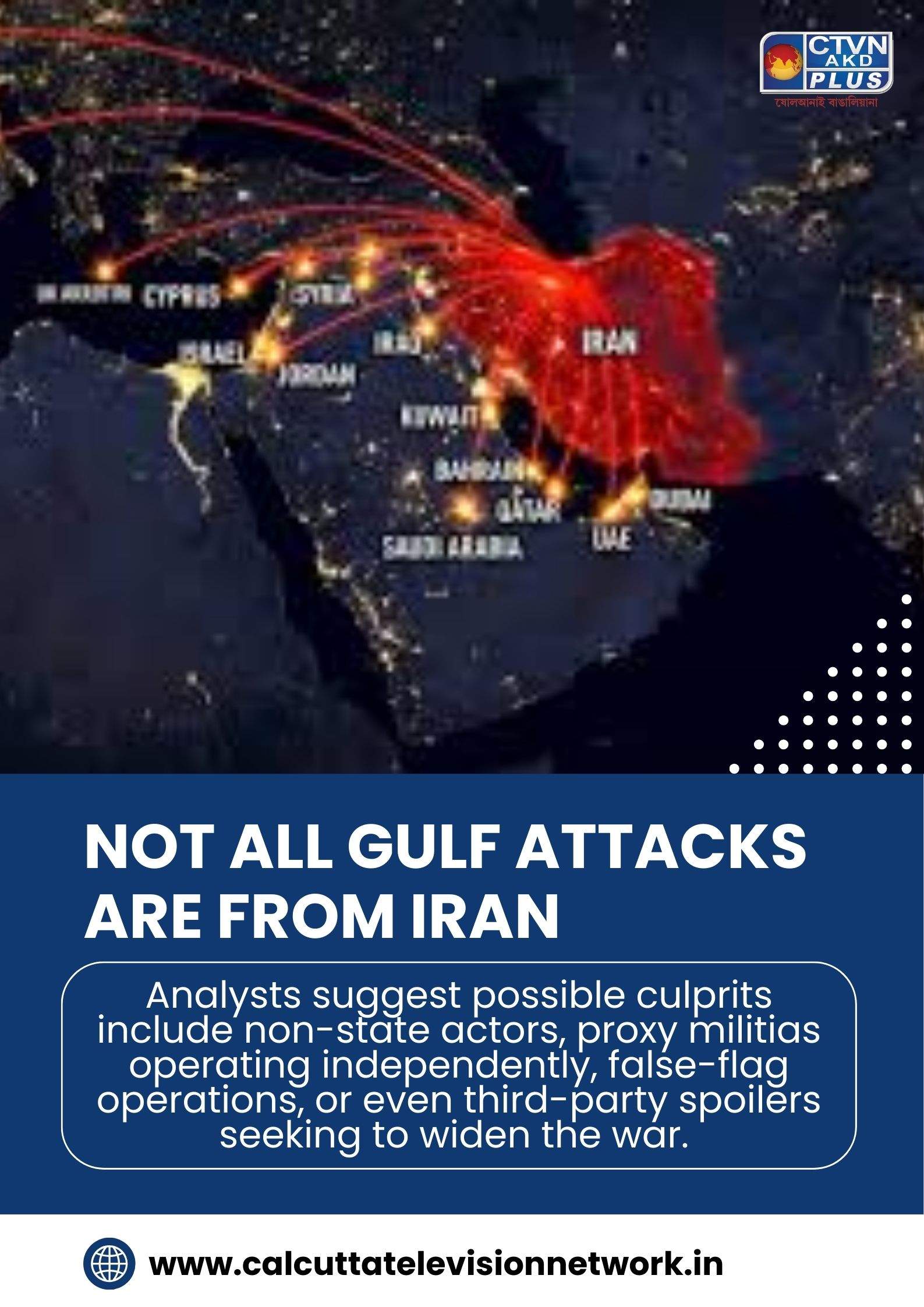
Saudi & Iranian Sources Allege: Not All Gulf Attacks Are From Iran – Trap to Drag Monarchies Into US-Israel War?
As Operation Epic Fury intensifies, with U.S. and Israeli strikes exceeding 1,700 targets across Iran, a surprising narrative is emerging from both Saudi and Iranian sources: not every recent attack on Gulf energy infrastructure originates from Tehran.
In a March 3 interview on Asharq News, prominent Saudi journalist Adhwan al-Ahmari—editor-in-chief of Independent Arabia and president of the Saudi Journalists Association—explicitly stated that “not all attacks” hitting Persian Gulf countries come from Iran. He described a growing belief among observers that the conflict represents an “American-Israeli trap” designed to implicate Gulf monarchies and force them into direct confrontation with Iran. “This hypothesis, I think, increases every day,” al-Ahmari warned, reflecting deep unease in Riyadh circles despite official neutrality.
Iranian officials echoed the skepticism. One senior figure told reporters, “I can categorically say that some of the attacks were not carried out by us Iran,” casting doubt on attributions of strikes against oil refineries, ports, desalination plants, and civilian sites in Saudi Arabia, the UAE, Bahrain, and Qatar. These incidents—some causing fires, temporary shutdowns, or civilian casualties—have fueled fears of economic sabotage and regional escalation.
Analysts suggest possible culprits include non-state actors, proxy militias operating independently, false-flag operations, or even third-party spoilers seeking to widen the war. With Qatar under emergency lockdown, gas production halted, and tanker traffic through the Strait of Hormuz down 85%, any additional attacks threaten to collapse global energy markets further.
The claims arrive amid diplomatic shifts: Tehran publicly thanked Saudi Arabia for denying coalition base access, while Riyadh maintains cautious distance. Gulf states, already hosting U.S. forces but wary of becoming battlegrounds, face pressure to join more actively—yet fear regression to pre-oil vulnerability if prolonged conflict devastates infrastructure.
As interceptor stocks dwindle, Congress blocks new strikes, and global powers maneuver (France bolstering nukes, North Korea issuing threats), these mutual denials highlight a dangerous fog of war. If attacks continue unattributed, they risk dragging reluctant monarchies into the fray—potentially fulfilling the very “trap” al-Ahmari described.