India’s Tariff on U.S. Pulses: A Strategic Trade Move
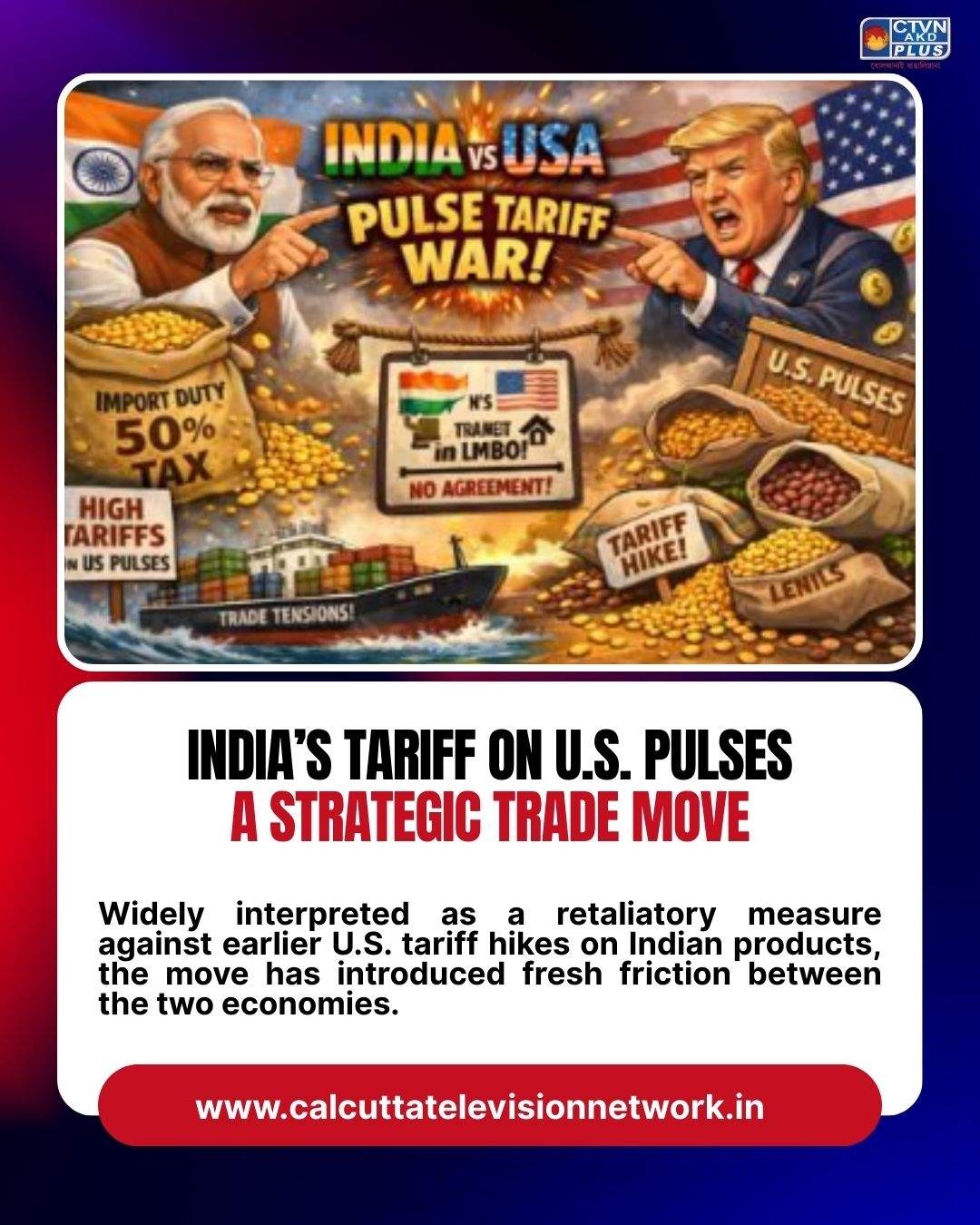
India’s decision to impose a 30% import duty on pulses and lentils originating from the United States marks a significant development in bilateral trade relations. Widely interpreted as a retaliatory measure against earlier U.S. tariff hikes on Indian products, the move has introduced fresh friction between the two economies. Official sources confirm that the duty has been in effect since October of last year, though its implementation was carried out quietly, without public announcement.
Policy analysts view the tariff as more than a symbolic gesture. It reflects India’s determination to safeguard domestic agricultural interests while asserting its trade autonomy. Pulses are a staple in Indian diets, and as the world’s largest consumer of these commodities, India wields considerable influence in shaping global demand. By targeting imports from the U.S., India signals its intent to protect local farmers from the destabilizing effects of cheaper foreign supplies.
According to official assessments, the decision is not merely retaliatory but rooted in broader concerns over trade balance and market stability. India has long argued that uneven tariff structures in agricultural trade can undermine domestic production and distort local markets. In this case, the calibrated import duty seeks to encourage self-reliance in pulse cultivation while discouraging market disruptions caused by low-cost imports.
Trade experts note that India’s consumption patterns play a decisive role in global pulse markets. Any policy shift by India inevitably reverberates across exporting nations, reshaping supply chains and pricing dynamics. The latest tariff underscores India’s dual strategy: defending its agricultural base while sending a clear signal to trade partners that reciprocity and fairness remain central to its economic policy.
In essence, the move highlights India’s balancing act between domestic priorities and global trade pressures, reinforcing its position as a pivotal player in agricultural commerce.