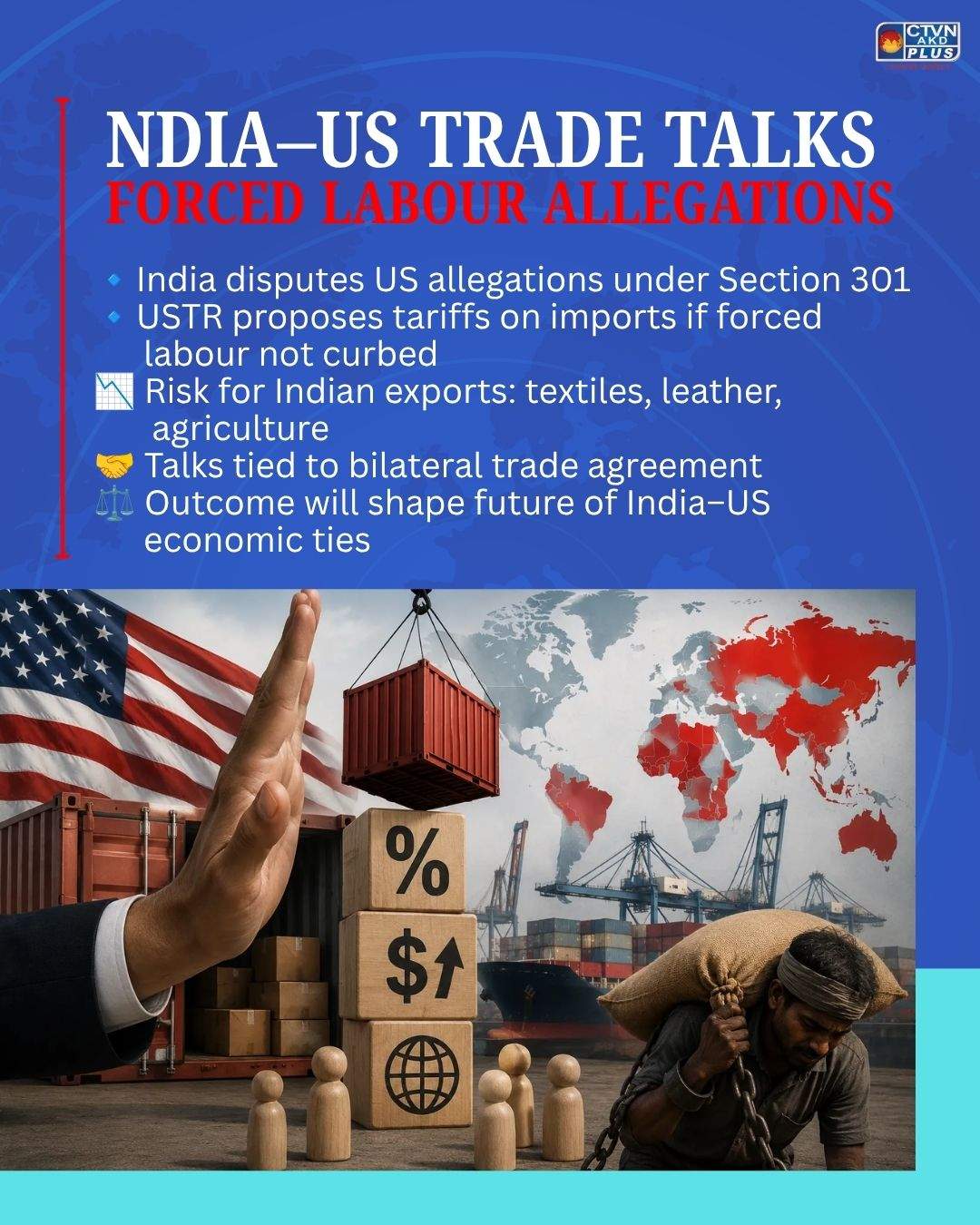
India–US Trade Talks: Section 301 and Forced Labour Allegations
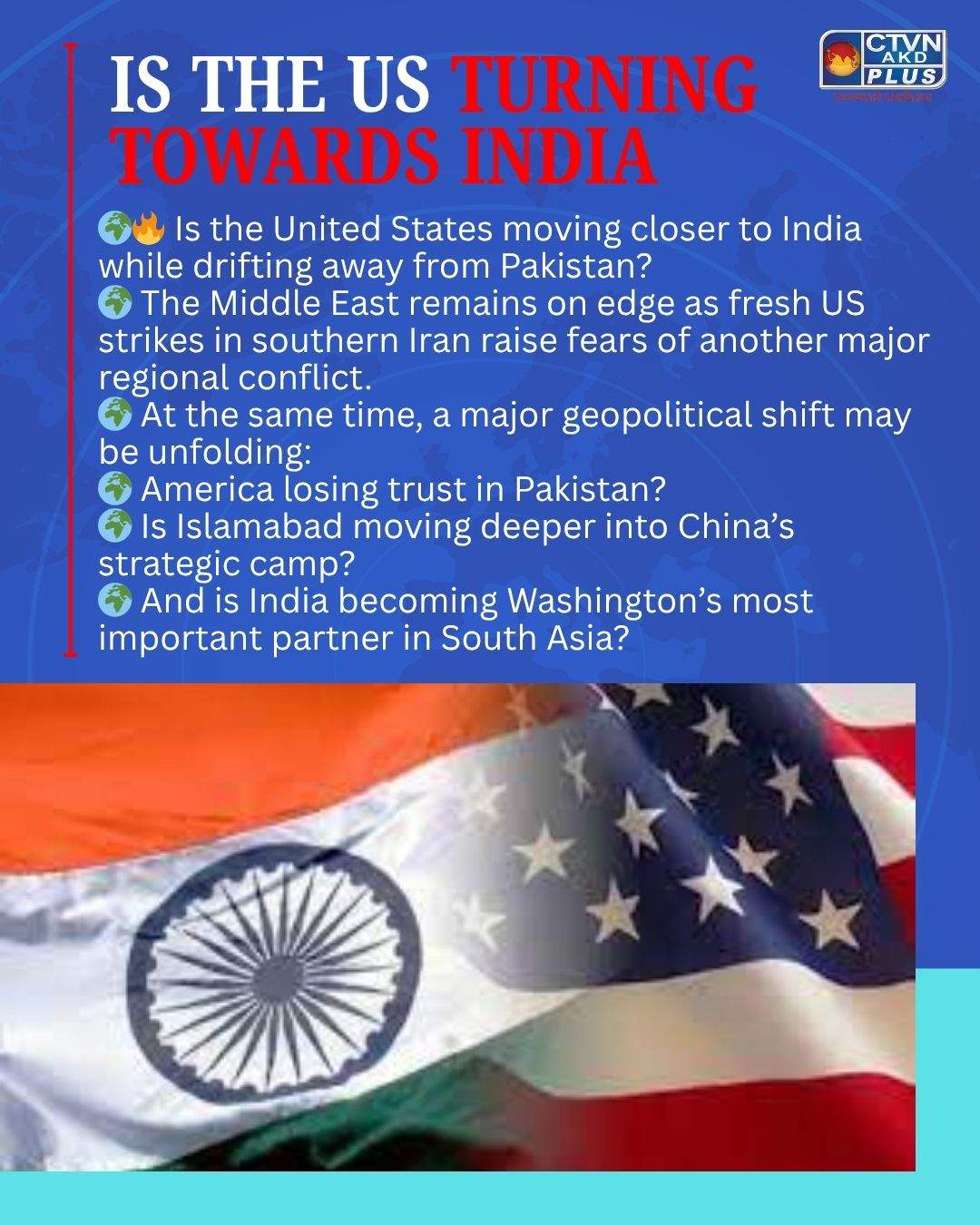
India and the United States are engaged in sensitive negotiations over Section 301 proceedings initiated by Washington concerning forced labour. The U.S. Trade Representative has proposed tariffs on imports from several economies, including India, if they fail to effectively prohibit goods produced with forced labour. India strongly disputes these allegations, arguing that its domestic laws and enforcement mechanisms already prohibit such practices.
These discussions are taking place alongside broader negotiations for a bilateral trade agreement. For India, the stakes are high: any punitive tariffs could undermine its export competitiveness in sectors such as textiles, leather, and agriculture. For the United States, the issue is framed as a moral and legal imperative to ensure that global supply chains are free from exploitation.
India’s position emphasizes that forced labour is not a systemic issue in its economy, and that allegations must be resolved through dialogue rather than unilateral measures. New Delhi seeks to integrate the resolution of Section 301 concerns within the larger trade agreement, ensuring that both nations can move forward on a cooperative basis.
The outcome of these talks will shape the future of India–US trade relations. If resolved amicably, it could pave the way for a stronger partnership. If not, tariffs and disputes may cast a shadow over one of the world’s most important bilateral economic relationships.
#IndiaUSTrade #ForcedLabour #Section301 #GlobalEconomy #Diplomacy