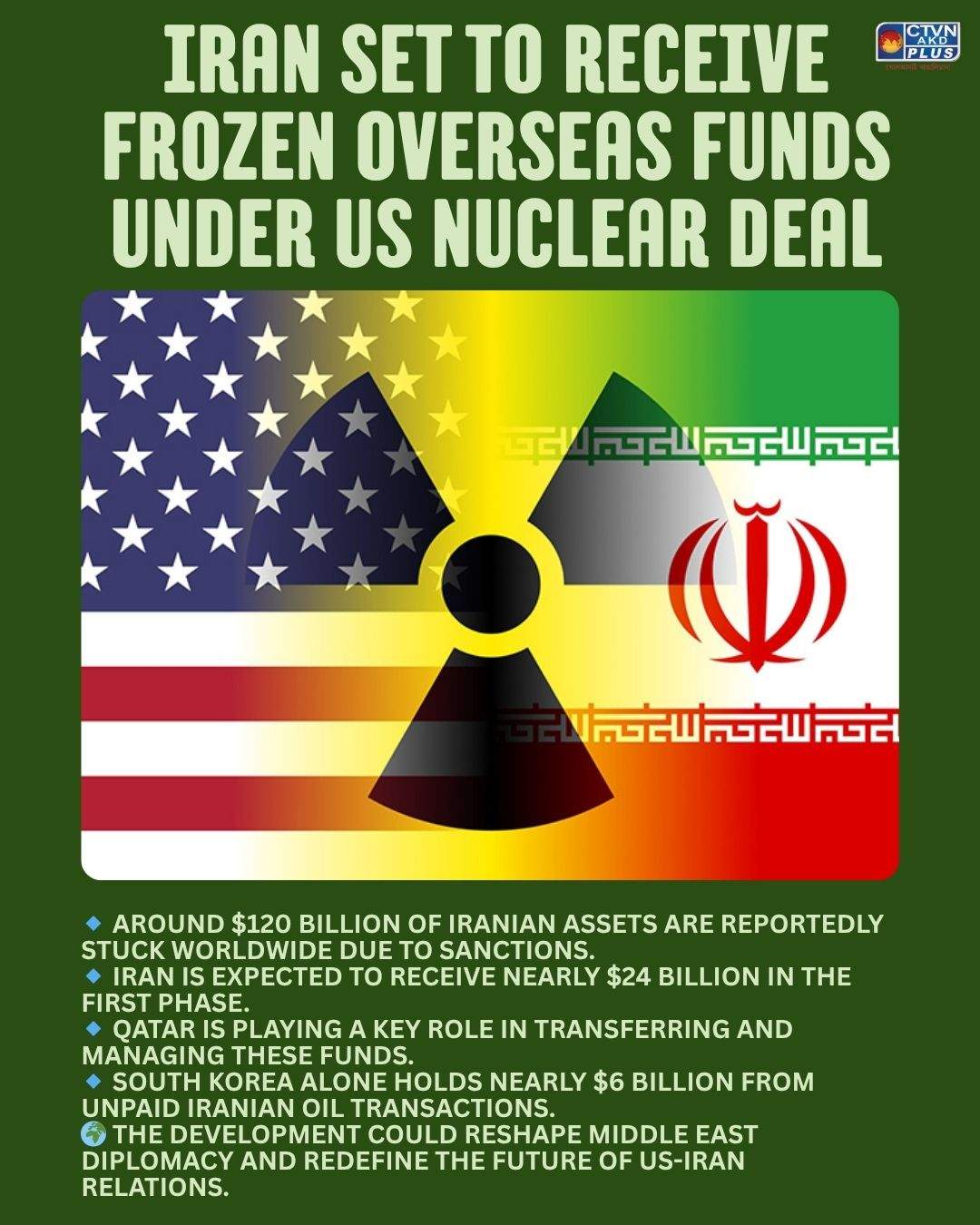
Iran to Receive Frozen Funds Following Nuclear Deal with the United States
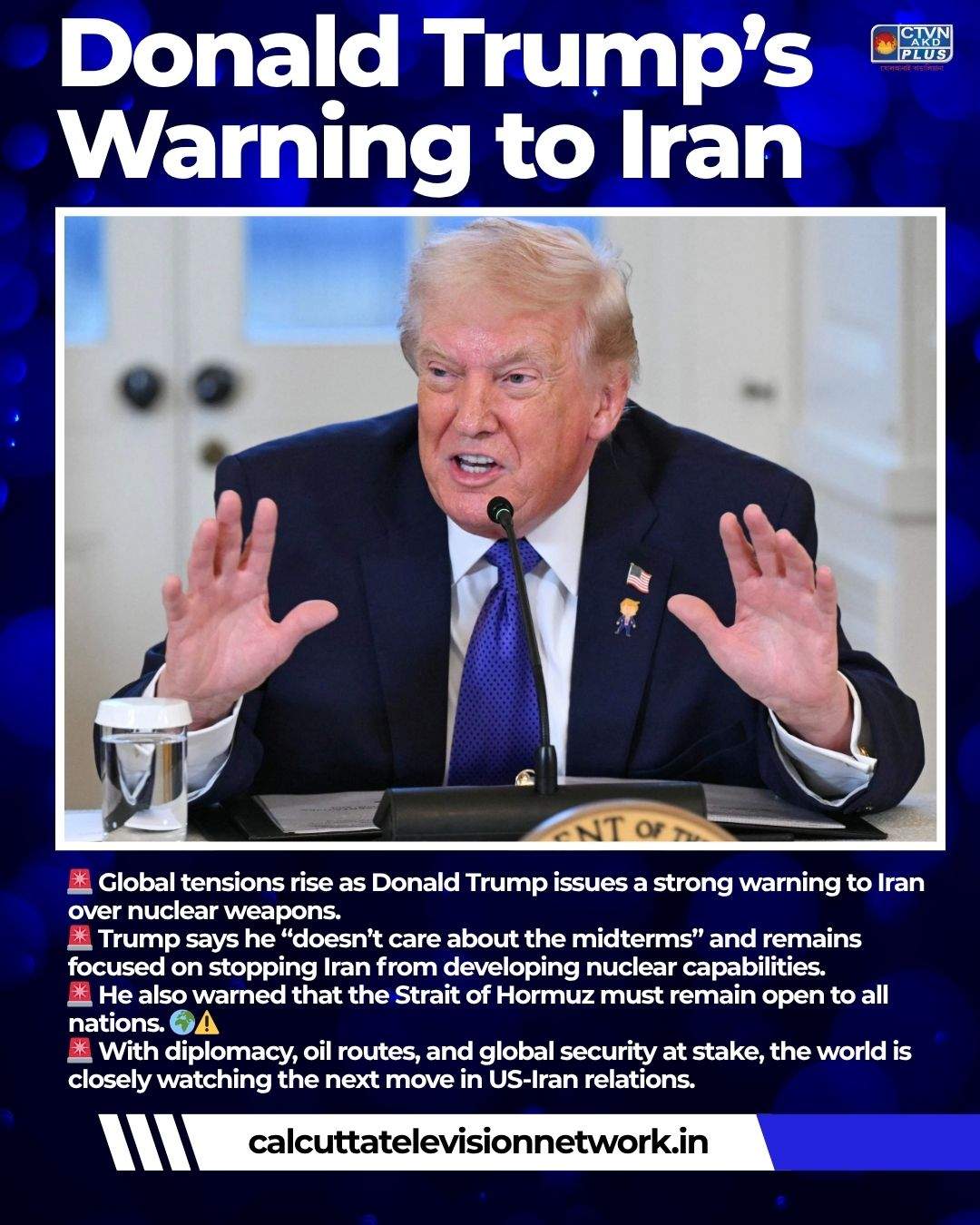
A major breakthrough appears to be unfolding in the long-standing tensions between Iran and the United States, as reports indicate that Tehran is set to receive a portion of its frozen overseas assets under a renewed nuclear understanding. The development is being viewed as one of the most significant economic relief measures for Iran in recent years.
For decades, Iran has faced severe economic sanctions imposed mainly by the United States and its allies over Tehran’s nuclear program and regional activities. These sanctions not only restricted Iran’s oil exports and international trade but also led to the freezing of billions of dollars belonging to the Iranian government in banks across the world.
According to various international reports, nearly $120 billion of Iranian funds remain frozen globally. These assets are spread across several countries, including South Korea, Qatar, China, Turkey, the United States, and the United Kingdom. Iran has repeatedly demanded access to these funds, arguing that the money belongs to the Iranian people and was earned through legitimate oil and trade transactions.
The latest agreement between Washington and Tehran is expected to unlock around $24 billion in the first phase. High-level discussions are currently underway in Doha, the capital of Qatar, which has emerged as a crucial mediator between the two rival nations. Qatar has played an increasingly important diplomatic role in facilitating communication between Iran and the United States, especially during sensitive negotiations.
One of the most discussed cases involves South Korea, where nearly $6 billion of Iranian money has remained frozen for years. The funds originated from Iranian oil sales to Seoul, but sanctions prevented the transfer of payment to Tehran. In 2023, the administration of former U.S. President Joe Biden approved a mechanism to transfer these funds to Iran through Qatar in exchange for the release of five prisoners. The money was moved to Qatari-controlled accounts but remained subject to strict monitoring and limitations.
Apart from South Korea, Iranian assets are also reportedly frozen in Turkey and the United States. Certain Iranian-linked properties and assets are believed to be held in the United Kingdom as well. These frozen resources have become a major symbol of the economic confrontation between Tehran and Western powers.
For Iran, access to these funds could provide much-needed economic breathing space at a time when inflation, unemployment, and currency devaluation continue to hurt ordinary citizens. The Iranian government may use the money to stabilize essential imports, strengthen public welfare programs, and support its struggling economy.
However, the agreement remains politically sensitive. Critics in both Iran and the United States argue that releasing frozen assets could strengthen the Iranian government without resolving deeper disputes over nuclear enrichment, regional security, and military activities. Supporters, on the other hand, believe that diplomacy and economic incentives are more effective than prolonged confrontation.
The unfolding deal highlights the growing importance of regional diplomacy, particularly Qatar’s role as a trusted intermediary. If successfully implemented, the agreement could mark the beginning of a broader diplomatic thaw between Tehran and Washington after years of hostility and sanctions-driven isolation.