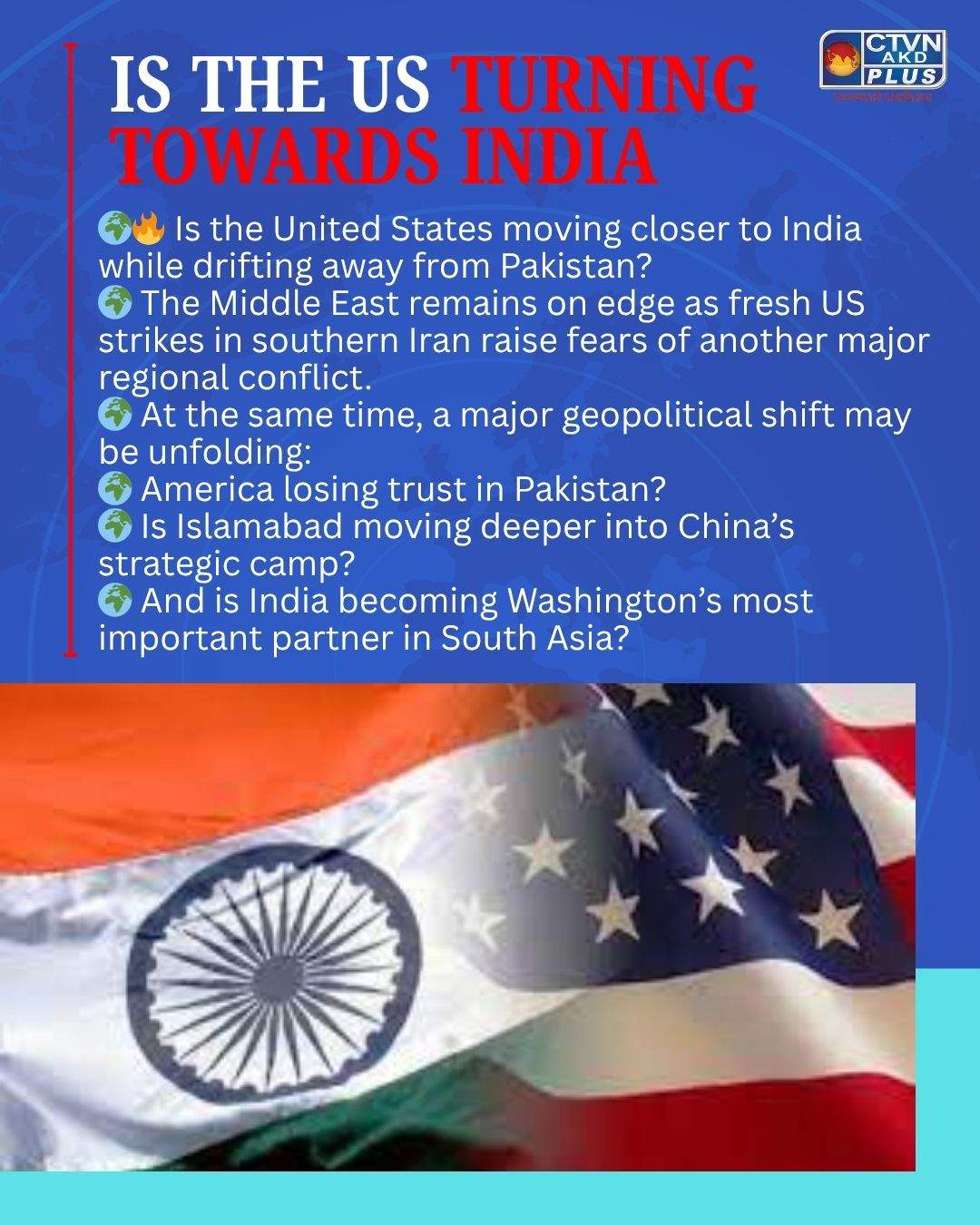
Is the United States Turning Towards India While Distancing Itself From Pakistan?
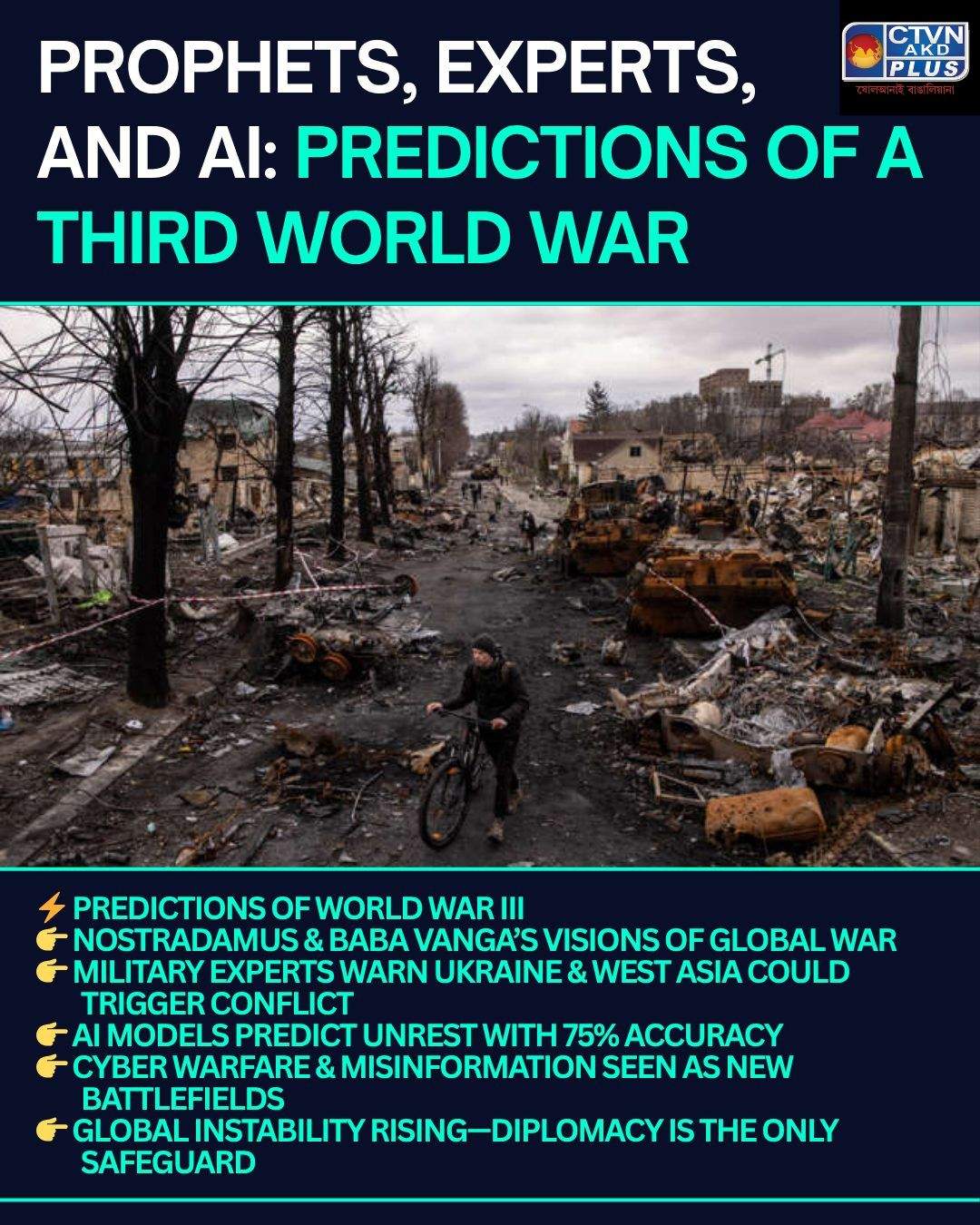
Four months have passed since February, yet peace in the Middle East still appears far from reality. Instead of stability, the region continues to witness rising tensions and military escalations. Fresh American strikes in southern Iran have once again intensified fears that the Middle East may be heading toward another dangerous conflict.
Amid this volatile situation, another major geopolitical question is gaining attention: Is the relationship between the United States and Pakistan gradually deteriorating, while Washington increasingly views India as its key strategic partner in South Asia?
For decades, Pakistan remained one of America’s most important allies in the region, particularly during the wars in Afghanistan and the global campaign against terrorism. Military cooperation, intelligence sharing, and financial assistance formed the backbone of the US-Pakistan partnership. However, in recent years, cracks in that relationship have become increasingly visible.
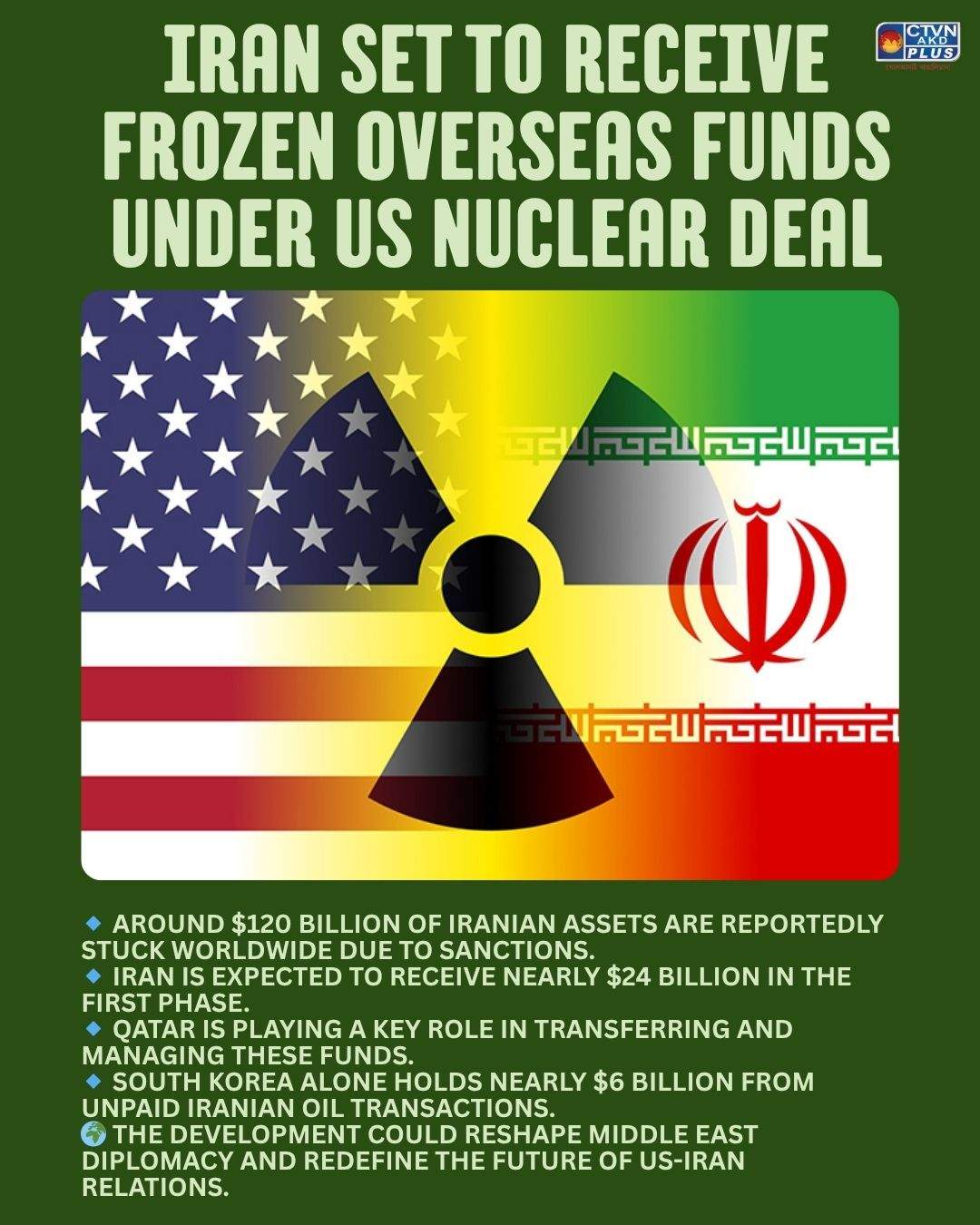
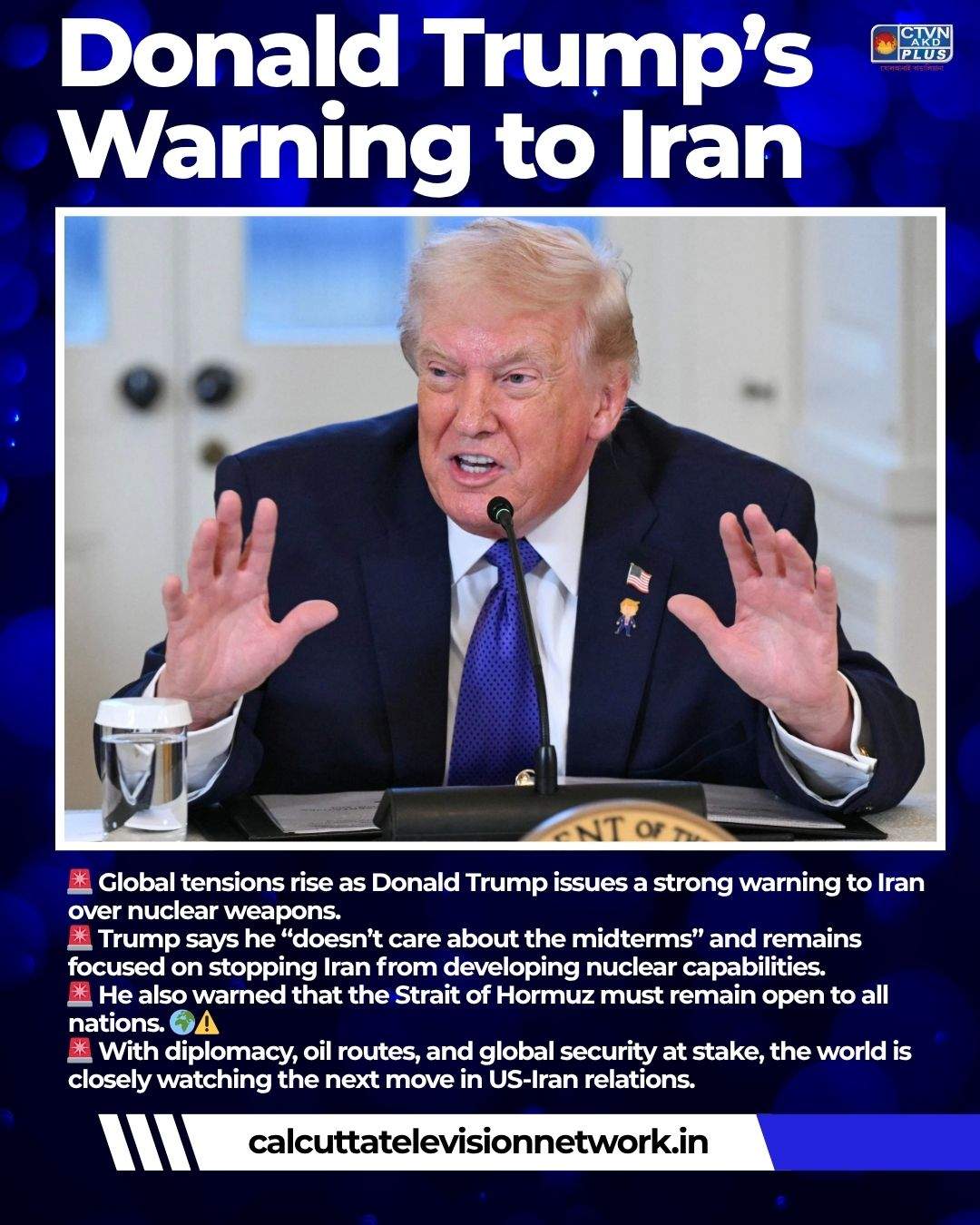
US President Donald Trump has repeatedly pushed for broader peace arrangements in the Middle East, but diplomatic observers believe Pakistan’s shifting strategic priorities have complicated Washington’s plans. Islamabad appears to be balancing its ties between the United States and its growing partnership with China.
The recent visit of Pakistan’s Prime Minister to China has added further significance to this evolving equation. The strengthening of military, economic, and strategic cooperation between Beijing and Islamabad—particularly under the China-Pakistan Economic Corridor (CPEC)—indicates that Pakistan continues to move closer to China’s geopolitical sphere.
At the same time, the United States has been deepening its relationship with India across multiple sectors. Defence cooperation, technology partnerships, Indo-Pacific strategy, semiconductor collaboration, and military agreements have brought Washington and New Delhi significantly closer than ever before.
The fact that the US Secretary of State reportedly had to clarify Washington’s position on Pakistan during discussions in India is being viewed by many analysts as a sign of changing diplomatic priorities. Increasingly, the United States sees India not only as a regional power but also as a critical counterbalance to China’s growing influence in Asia.
However, the changing geopolitical landscape also presents challenges for India. If Pakistan continues strengthening its alliance with China, South Asia could witness a sharper strategic divide. Meanwhile, instability in the Middle East directly affects India’s energy security, trade routes, and the safety of millions of Indian expatriates working across the Gulf region.
India, therefore, faces a delicate balancing act. While strengthening ties with the United States and Western powers, New Delhi is also attempting to maintain stable relations with countries such as Iran, Russia, and the Gulf nations.
The current global situation makes one thing clear: the geopolitical map of South Asia and the Middle East is undergoing rapid transformation. In this emerging world order, India is increasingly becoming one of the central players.