Iran’s Warning Amid Naval Blockade: A Signal of Escalation
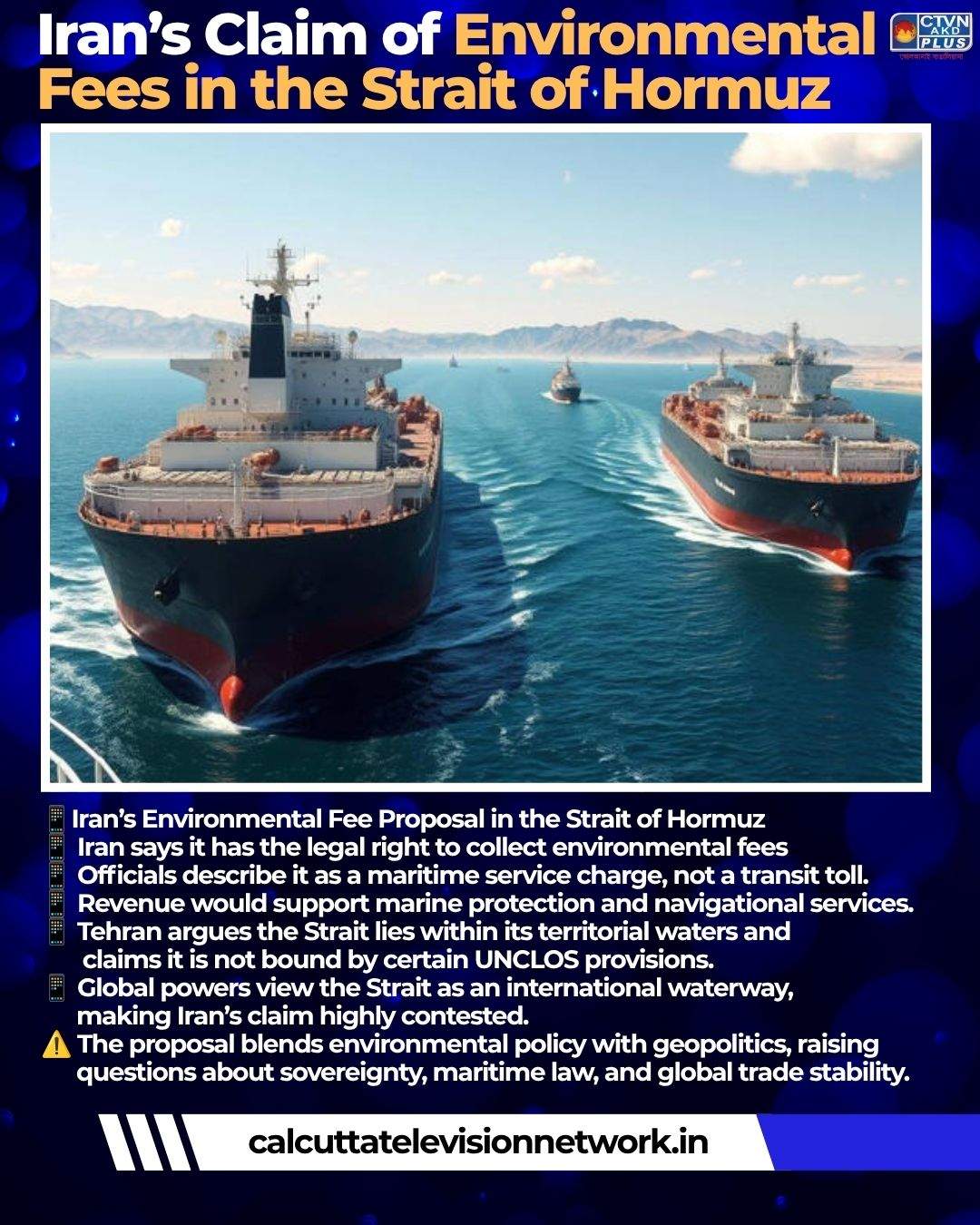
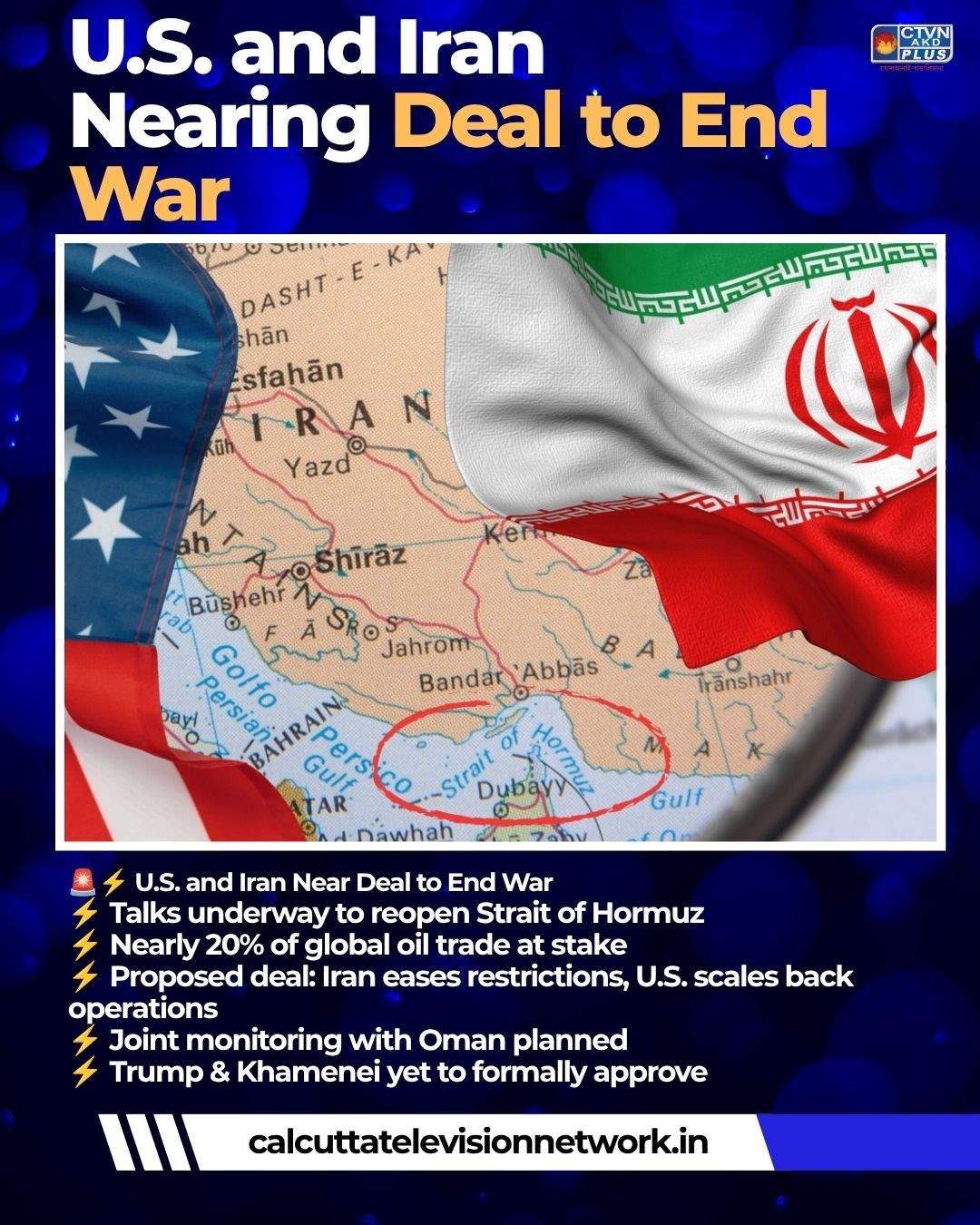
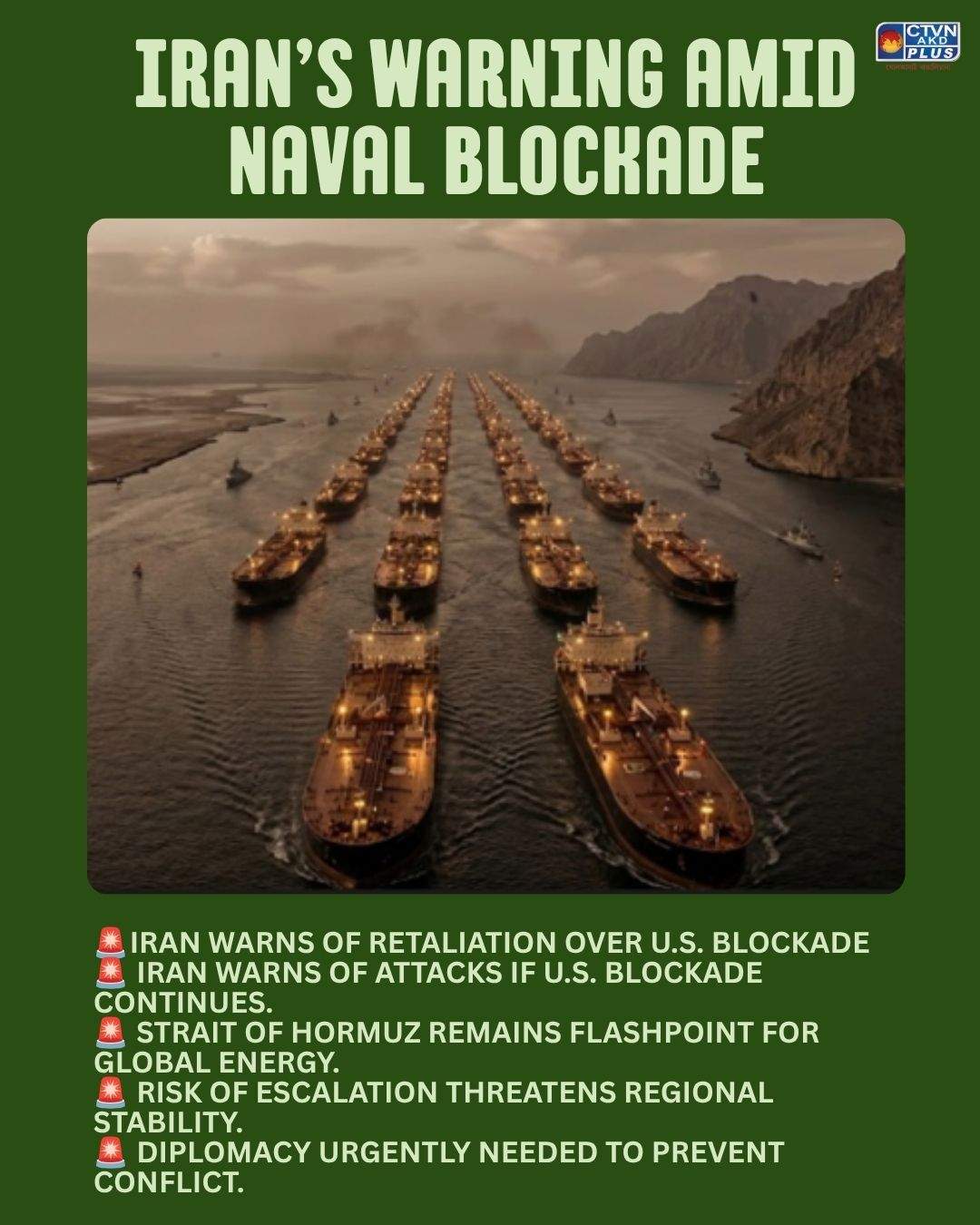
Iran’s recent warning that it could launch attacks if a U.S. naval blockade continues beyond a certain timeframe reflects the fragile balance of power in the Gulf region. The Strait of Hormuz, through which nearly one‑fifth of the world’s oil supply passes, has long been a flashpoint for geopolitical tensions. Any disruption in this corridor immediately reverberates across global energy markets and heightens the risk of military confrontation.
By issuing such a threat, Tehran is signaling both its determination to resist external pressure and its reliance on asymmetric strategies. Iran’s military doctrine often emphasizes missile strikes, drone operations, and proxy forces as tools to counter superior U.S. naval power. The warning is therefore not only a tactical message to Washington but also a strategic communication to regional allies and adversaries, underscoring Iran’s willingness to escalate if its sovereignty or economic lifelines are threatened.
For the United States, maintaining a blockade is intended to exert maximum pressure, but it also risks provoking direct retaliation. The longer the blockade persists, the greater the chance of miscalculation, accidental clashes, or deliberate escalation. Diplomacy becomes harder as both sides entrench themselves in positions of strength and defiance.
Ultimately, Iran’s warning highlights the urgent need for dialogue and de‑escalation. While military posturing may serve short‑term political goals, the consequences of an armed clash in the Gulf would be catastrophic—not only for the region but for the global economy. The situation serves as a reminder that in international relations, threats can illuminate the dangers of confrontation, but only negotiation can secure lasting stability.
#Iran #USBlockade #StraitOfHormuz #MiddleEastTensions #GlobalEnergy