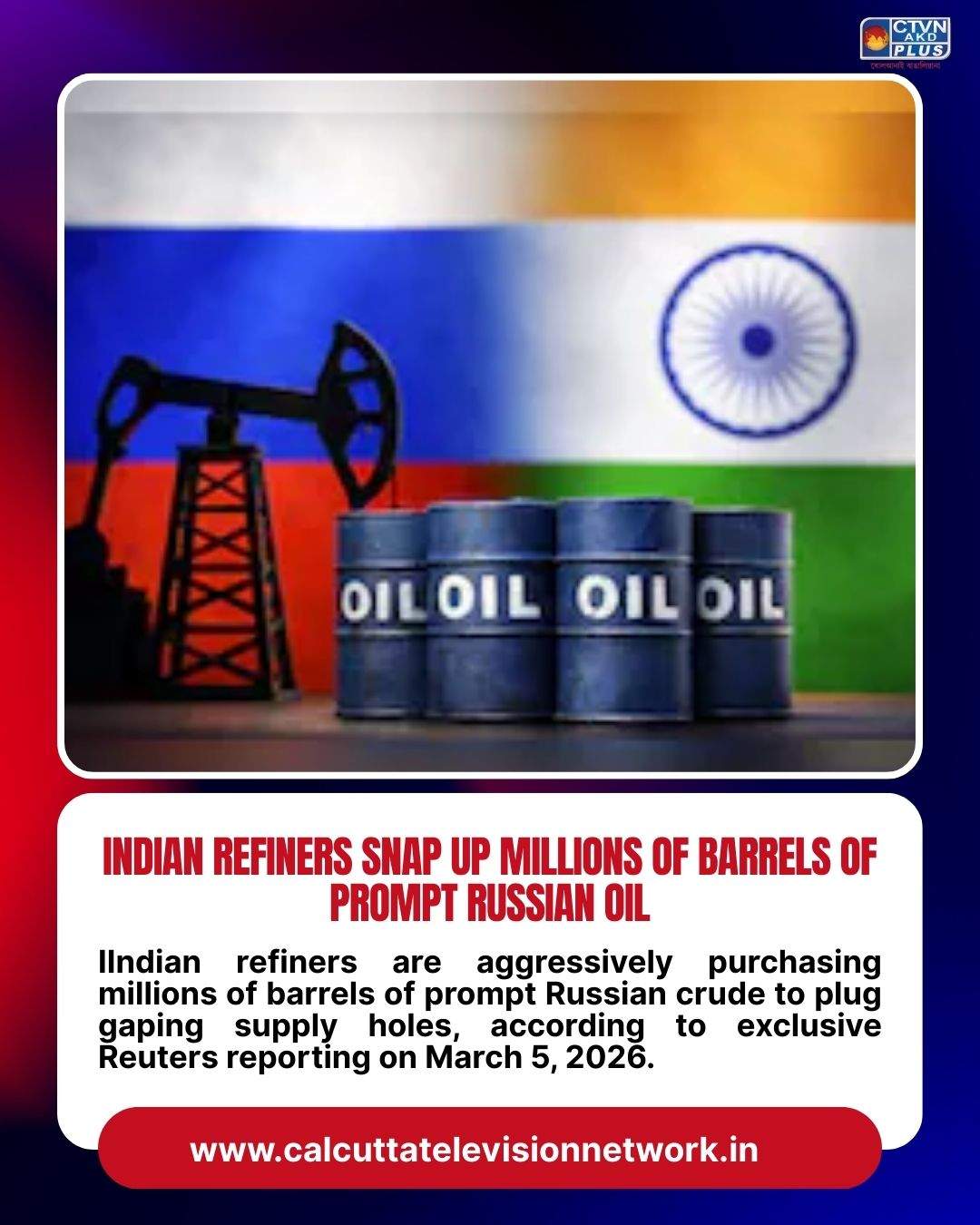
Indian Refiners Snap Up Millions of Barrels of Prompt Russian Oil as Iran War Crushes Middle East Supplies
Indian Refiners Snap Up Millions of Barrels of Prompt Russian Oil as Iran War Crushes Middle East Supplies
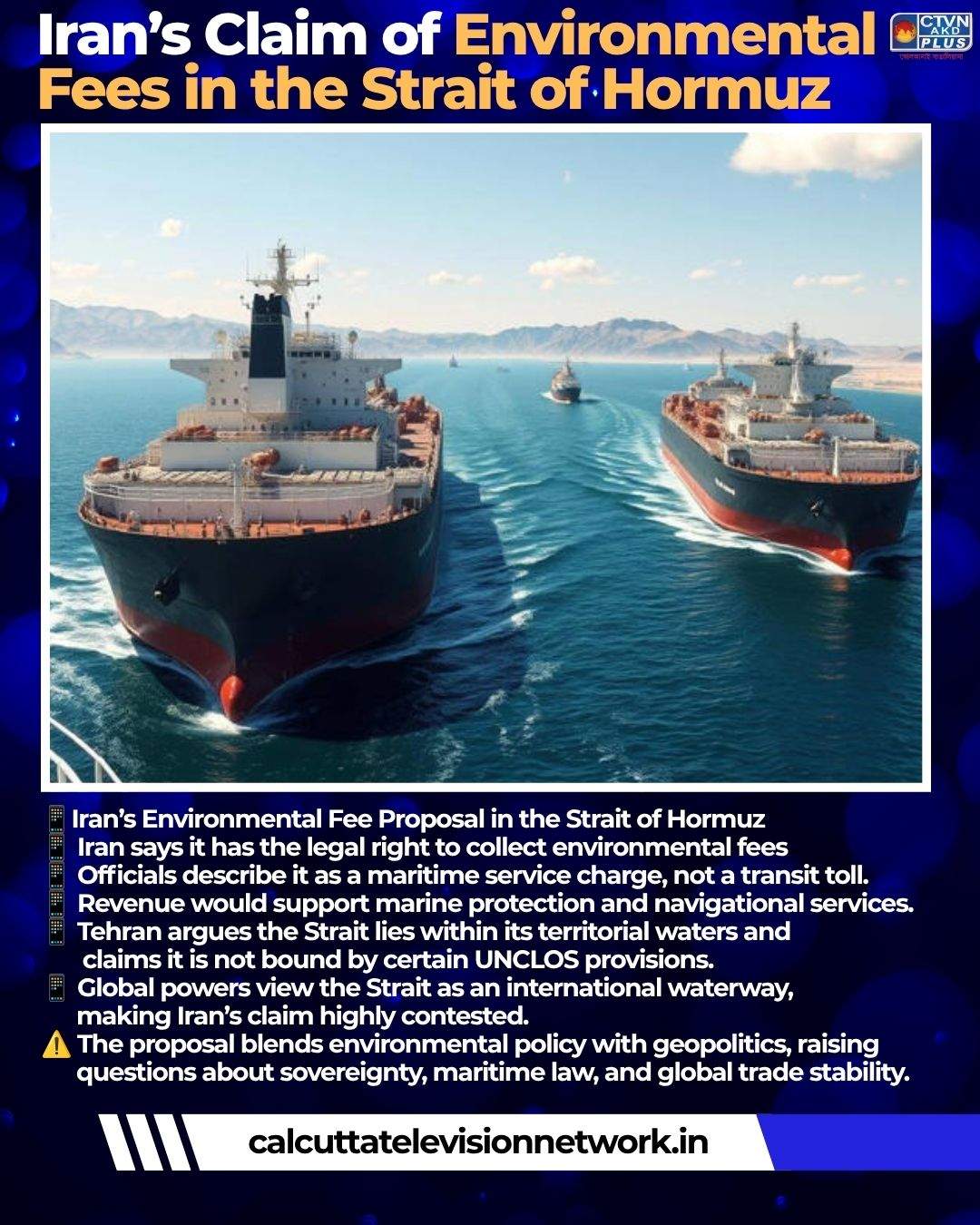
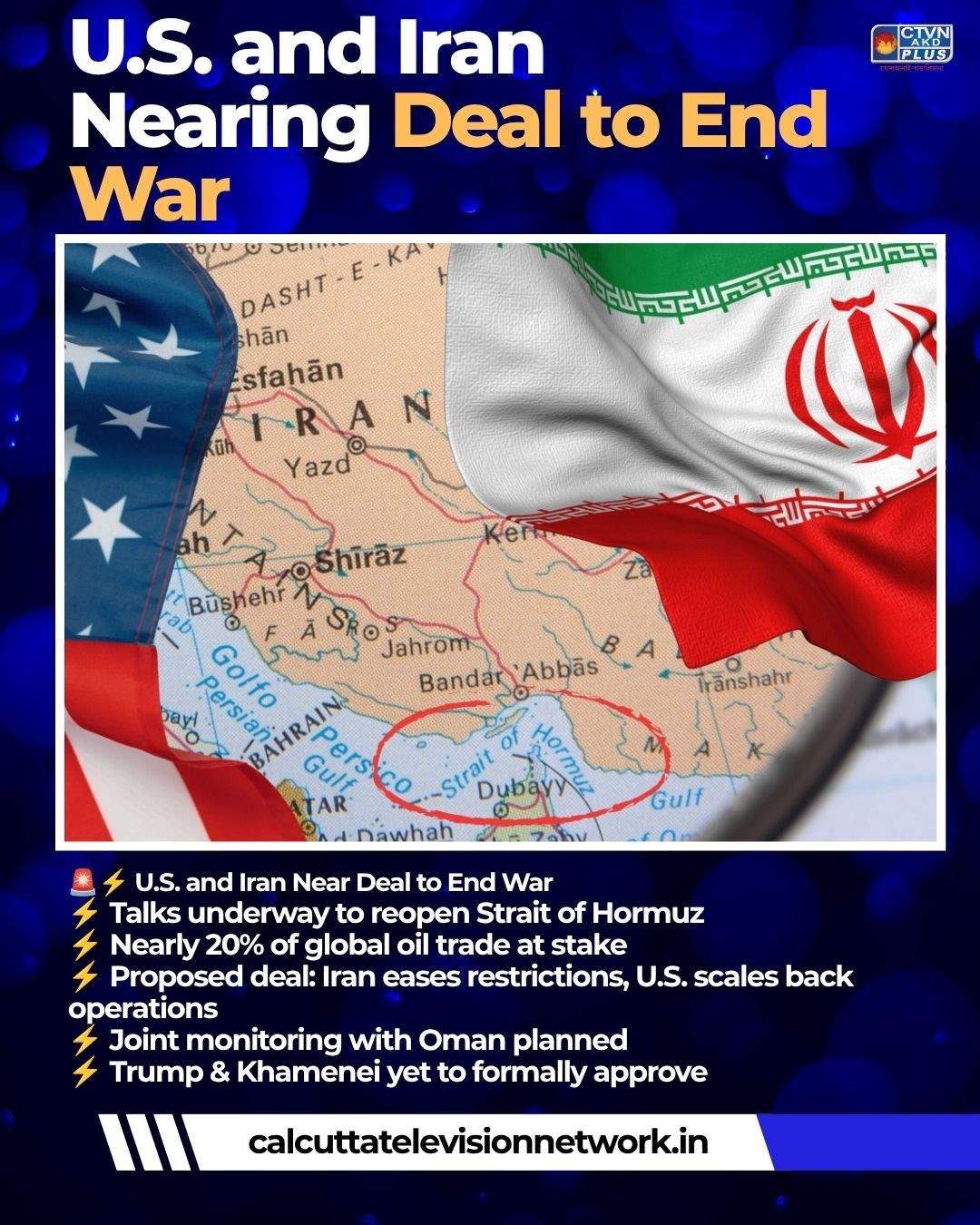
Amid the chaos of Operation Epic Fury and Iran's retaliatory strikes disrupting the Strait of Hormuz, Indian refiners are aggressively purchasing millions of barrels of prompt Russian crude to plug gaping supply holes, according to exclusive Reuters reporting on March 5, 2026.
State-owned giants—Indian Oil Corp (IOC), Bharat Petroleum Corp (BPCL), Hindustan Petroleum Corp (HPCL), and Mangalore Refinery and Petrochemicals Ltd (MRPL)—have secured around 20 million barrels from traders for quick delivery. IOC is expediting deals, including cargoes floating offshore near Indian waters, where approximately 9.5 million barrels of Russian Urals and other grades linger, ready to arrive within weeks.
The surge follows the U.S. Treasury's issuance of General License 133 (Russia-related), a 30-day waiver (expiring April 4) authorizing Indian entities to buy and offload Russian-origin crude and products loaded on vessels before March 5, 2026. Treasury Secretary Scott Bessent framed it as a "stop-gap" to prevent Iran from "holding global energy hostage," while anticipating India will boost U.S. oil imports long-term.
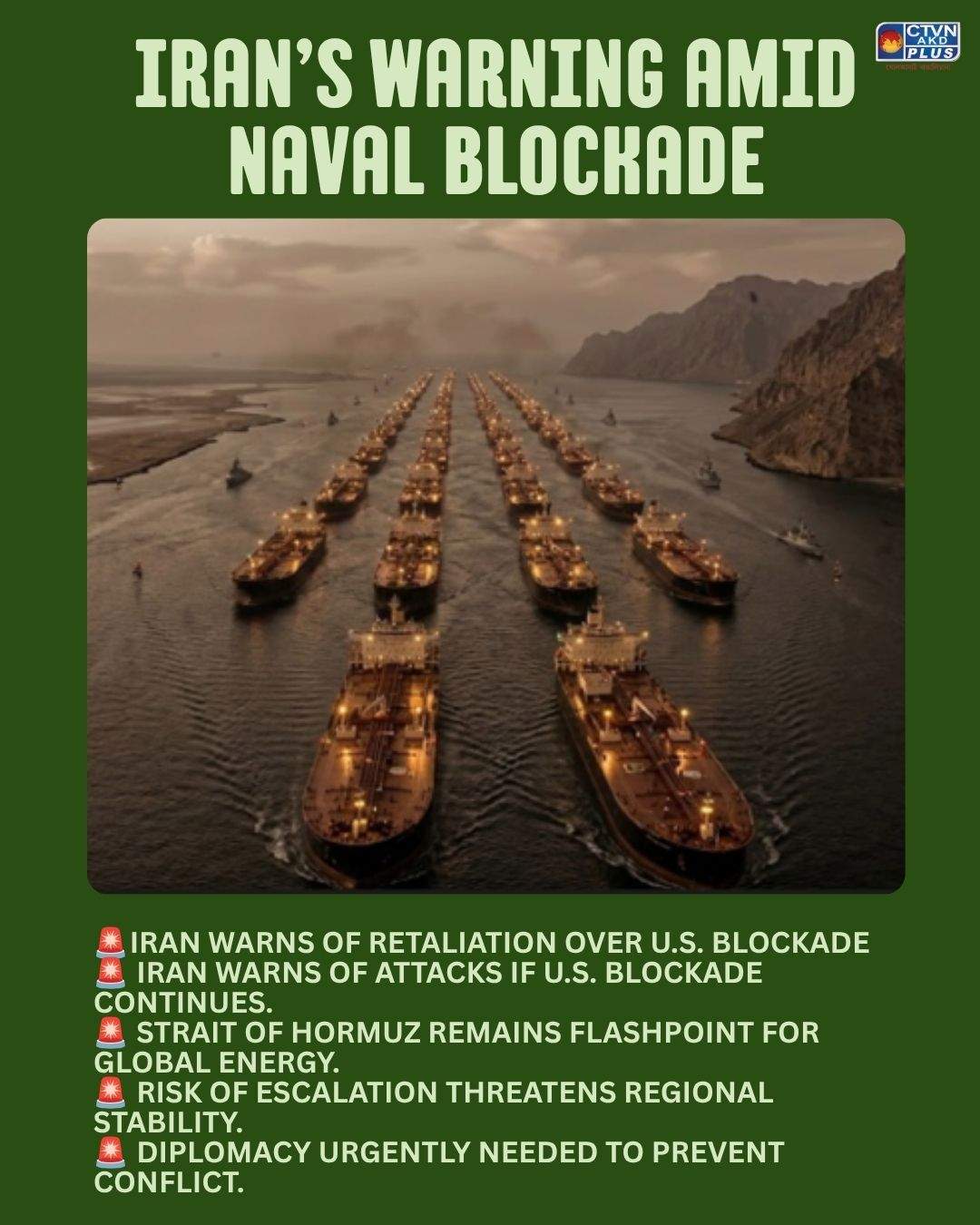
India, the world's third-largest importer, sources roughly half its crude via the Hormuz chokepoint—now effectively closed as tanker traffic drops 70-90%, insurers balk at war risks, and companies shun U.S. Navy escorts. Russian oil, trading at $6-13 discounts to Brent, offers immediate relief; Moscow signals readiness to raise India's share to 40% from recent lows around 21-30%.
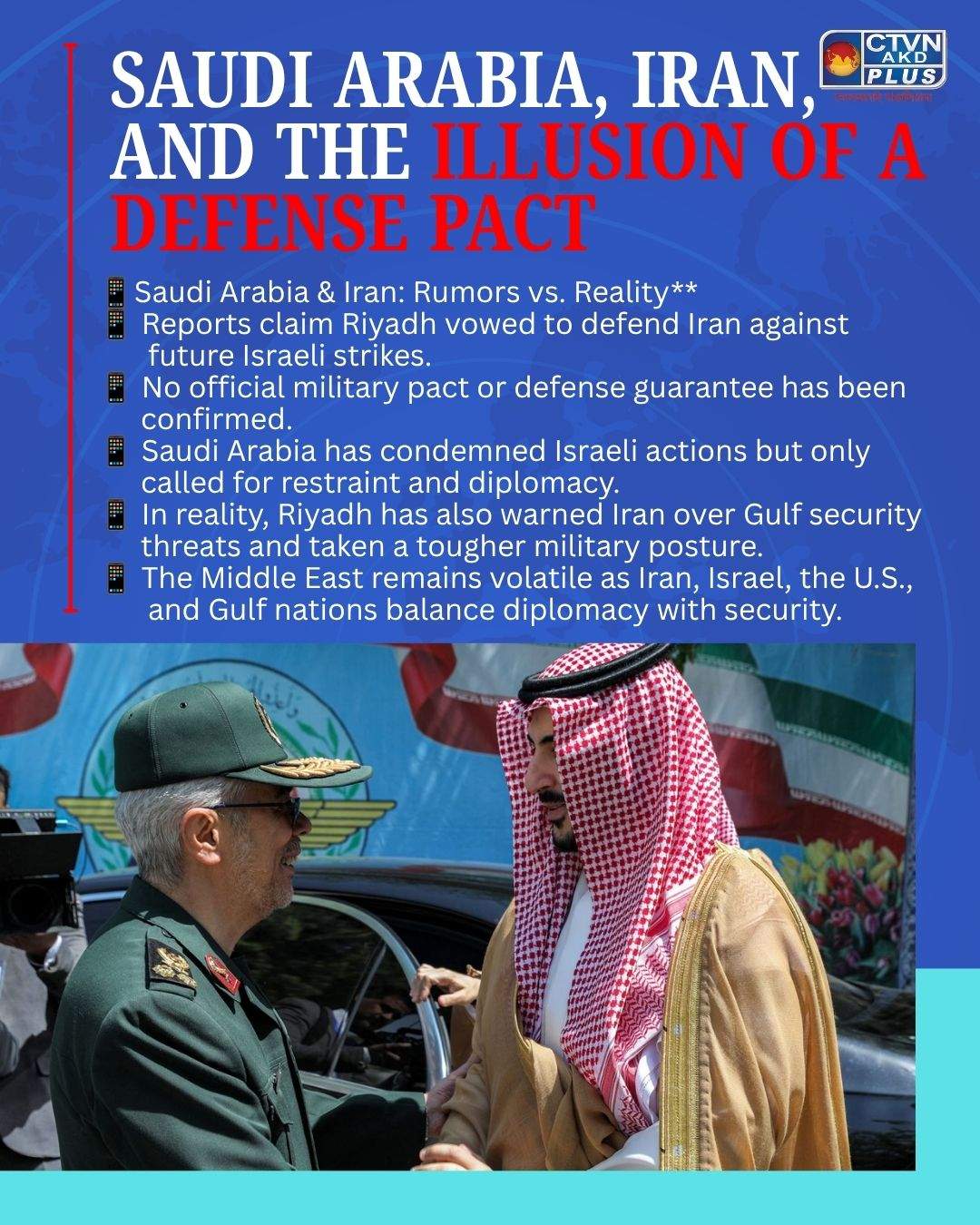
This pivot eases short-term pressure—India holds ~50-60 days of reserves—but highlights vulnerabilities in a war that's paralyzed Qatar LNG, sunk tankers, damaged U.S. assets like the USS Abraham Lincoln, and sent global prices soaring. As Tehran thanks Saudi Arabia for neutrality and Congress blocks new strikes, India's pragmatic turn to Russia underscores how the conflict is redrawing energy alliances, forcing even U.S. allies to navigate sanctions waivers amid unprecedented supply shocks.