India Counts the Rising Cost of the Iran War
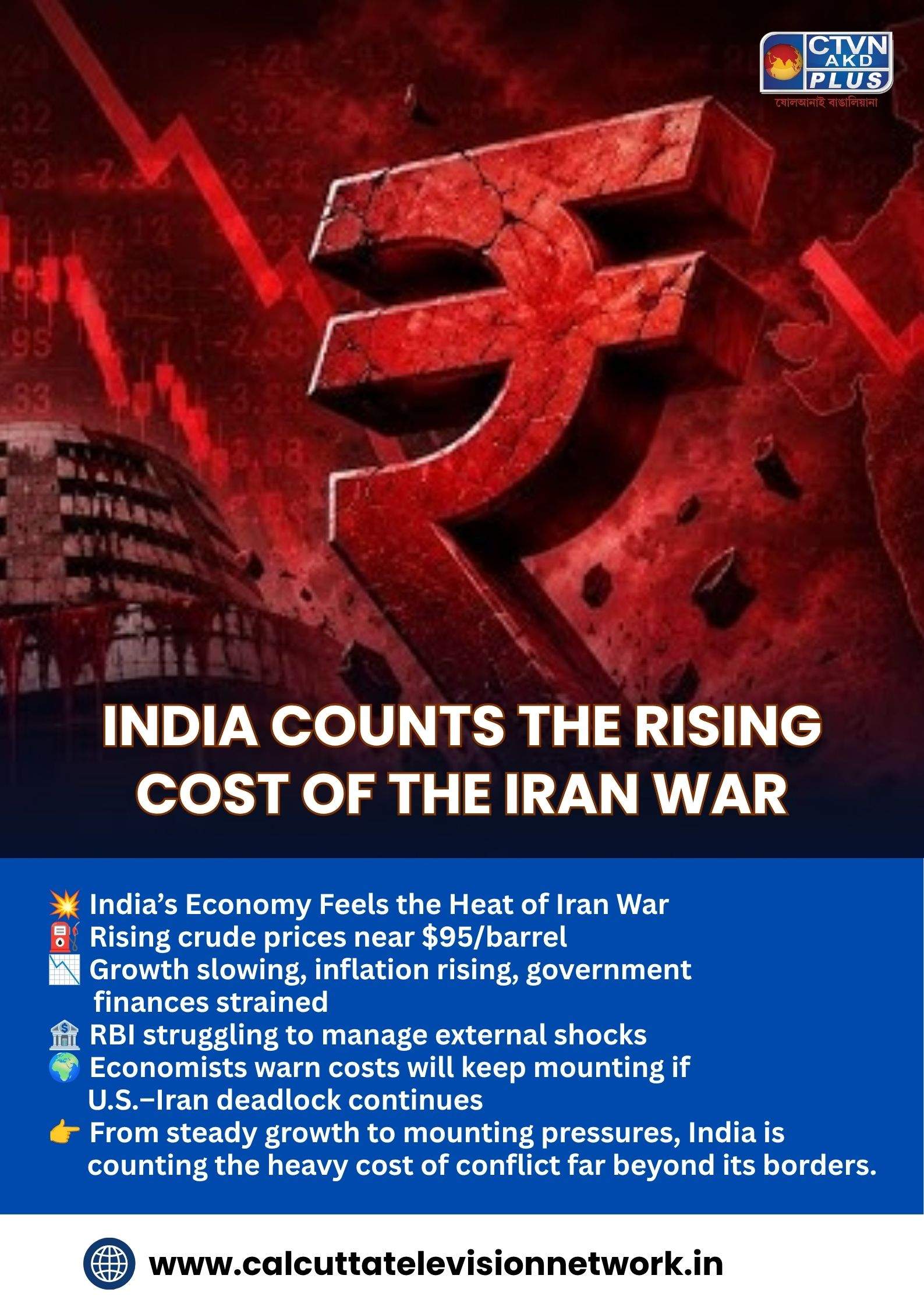
India’s economy, once buoyed by benign inflation and steady growth, is now grappling with mounting pressures from the ongoing Iran war. As one of the world’s largest oil importers, India is acutely vulnerable to disruptions in supply and elevated crude prices. With oil hovering near $95 per barrel, the impact is being felt across growth, inflation, and government finances.
Just months ago, India was hailed as the strongest performer among leading economies, with stable inflation and robust growth. That narrative has shifted sharply. Economists warn that if the deadlock between the U.S. and Iran persists and the blockade of oil supplies continues, India’s costs will keep rising.
The strain is evident in multiple areas:
- Growth: Higher energy costs are squeezing industrial output and consumer demand.
- Inflation: Elevated fuel prices ripple across transport and food costs, eroding household budgets.
- Government finances: Subsidy burdens and fiscal pressures are increasing, complicating budgetary management.
The Reserve Bank of India (RBI) faces a daunting challenge. Its ability to manage these shocks is limited, as monetary policy cannot offset supply‑side disruptions. While vigilance and intervention may stabilize currency and liquidity conditions, the broader economic impact of prolonged conflict remains difficult to contain.
India’s situation underscores the fragility of global interdependence: geopolitical crises far from its borders can swiftly undermine domestic stability. The longer the Iran war drags on, the heavier the toll on India’s economic resilience.
#IndiaEconomy #IranWarImpact #OilPrices #Inflation #RBIStrategy #GlobalConflict #EconomicPressure #EnergyCosts