The US Pressure Tactics in India-US Trade Negotiations: Prioritizing American Terms Over Mutual Benefit
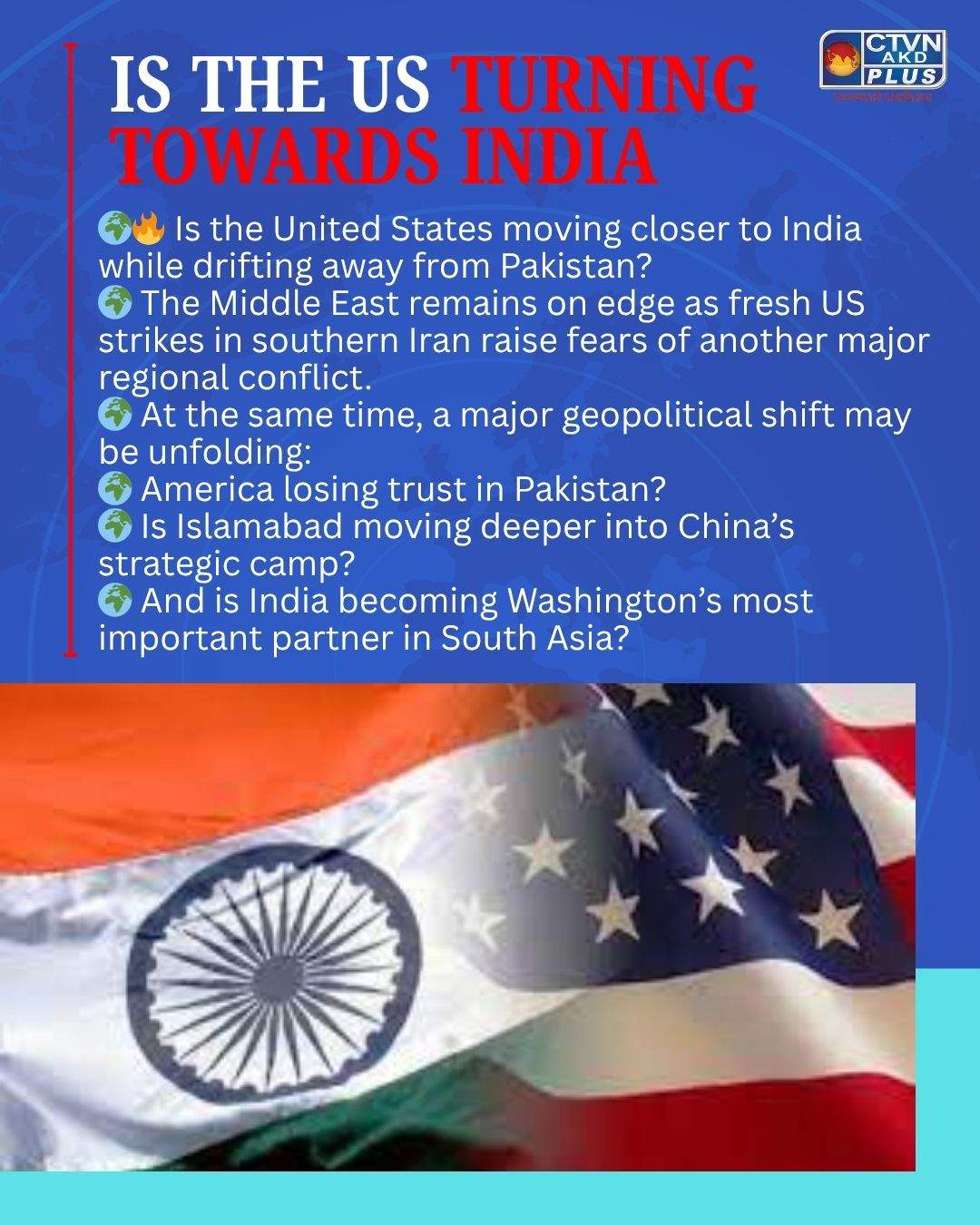
US trade negotiations often involve using tariffs, threats of higher duties (especially linked to India's Russian oil imports), and demands for market access to push for concessions, prioritizing American terms like broader market access, digital policy alignment, and reduced trade deficits, though India has shown increasing assertiveness by pursuing diverse trade partners and refusing to compromise core interests, framing the US approach as coercion rather than mutual benefit.
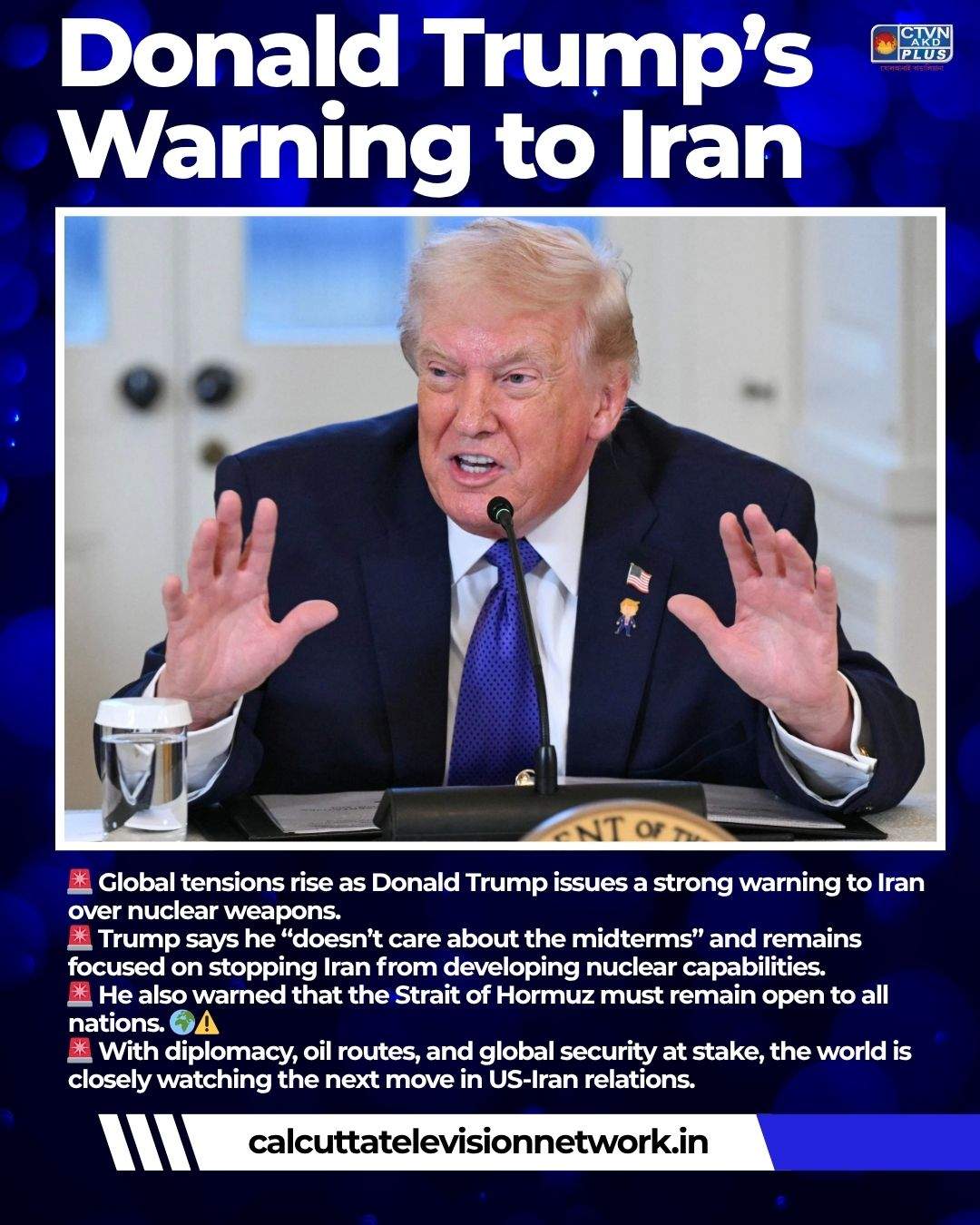
In early 2026, US Commerce Secretary Howard Lutnick publicly claimed that a potential bilateral trade agreement (BTA) between the United States and India stalled primarily because Prime Minister Narendra Modi did not make a personal phone call to President Donald Trump to finalize it. Speaking on the All-In Podcast in January 2026, Lutnick described how negotiators had "set up" the deal, providing India a narrow "time-bound window" of "three Fridays" in 2025 to arrange the leader-level call for closure. He portrayed Indian officials as "uncomfortable" facilitating this, resulting in no call from Modi. Consequently, the US shifted to signing deals with other nations like Vietnam, Indonesia, and the Philippines on more favorable terms, leaving India to face worse conditions later. Lutnick framed this as India "missing the train," implying procedural reluctance on New Delhi's part derailed progress.
This narrative aligns with broader US efforts to pressure India into accepting terms advantageous to Washington, often at potential cost to Indian interests. The Trump administration linked trade concessions to geopolitical demands, particularly India's continued purchases of discounted Russian oil amid the Ukraine conflict. In August 2025, the US imposed steep tariffs—up to 50% on Indian goods—including an explicit penalty tied to Russian energy imports, which the White House argued indirectly funded Moscow's war efforts. These measures escalated tensions, with Trump warning of further hikes unless India curtailed such purchases and aligned more closely with US priorities. Lutnick's remarks reinforced this coercive approach, presenting the trade deal as contingent on symbolic gestures like a Modi-Trump call, which appeared to serve as a litmus test for India's willingness to prioritize US demands over strategic autonomy.
India firmly rejected Lutnick's characterization as "not accurate." The Ministry of External Affairs highlighted that Modi and Trump spoke by phone eight times in 2025, discussing various bilateral aspects, including trade. New Delhi emphasized ongoing negotiations since Modi's February 2025 Washington visit—aimed at doubling trade to $500 billion by 2030—and commitment to a "mutually beneficial" agreement. Analysts note deeper substantive gaps, such as US demands for greater market access in agriculture and dairy, clashed with India's protective policies for farmers and energy security needs.
The episode underscores US tactics of using tariffs and personal diplomacy to extract concessions, even when they risk harming India's economic sovereignty and diversified partnerships. By framing delays as India's fault via a missed call, the US narrative deflects from its own aggressive linkage of trade to foreign policy compliance. As talks continue amid tariff pressures, the episode highlights the challenges India faces in balancing strategic ties with the US while safeguarding core national interests.