Bangladesh Dealt Heavy Blow as ICC Rejects Journalists
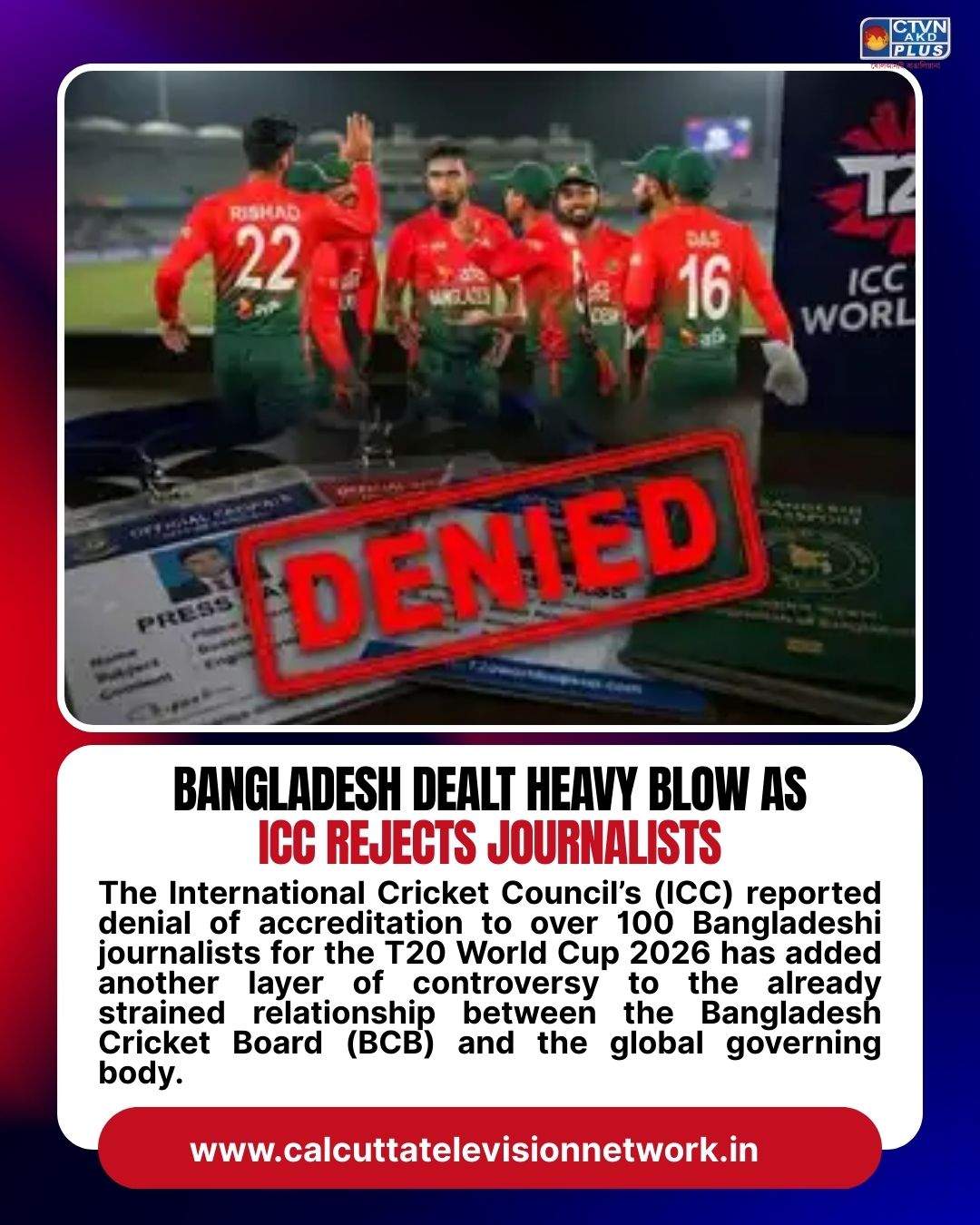
The International Cricket Council’s (ICC) reported denial of accreditation to over 100 Bangladeshi journalists for the T20 World Cup 2026 has added another layer of controversy to the already strained relationship between the Bangladesh Cricket Board (BCB) and the global governing body. According to reports, none of the 100–150 applicants from Bangladesh were granted access, with even a few initial approvals later revoked. This decision comes in the wake of Bangladesh’s withdrawal from the tournament, after refusing to play its matches in India and demanding relocation to Sri Lanka.
The ICC had insisted that no credible security threat existed in India, but the BCB remained adamant, leading to Bangladesh’s replacement by Scotland. The fallout has been severe. Denying media accreditation appears to be a symbolic move, signaling that the ICC will not tolerate what it views as unfair demands or attempts to undermine its authority. Observers suggest this could also serve as a warning to Pakistan, whose cricket board has threatened to boycott the tournament in solidarity with Bangladesh.
The consequences for Bangladesh are potentially devastating. The BCB faces the prospect of losing around USD 27 million from the ICC’s annual distribution, a figure that could slash its income by 60 percent due to collapsed broadcast and sponsorship deals. In addition, the board may be fined USD 2 million for withdrawing without what the ICC considers valid justification. Such sanctions would cripple Bangladesh’s cricketing infrastructure and jeopardize its long‑term development.
Ultimately, the ICC’s firm stance underscores its determination to maintain control over the sport’s marquee events. By rejecting Bangladeshi journalists and preparing sanctions against the BCB, the ICC has sent a clear message: participation in global cricket requires adherence to collective decisions, and unilateral withdrawals will carry heavy costs.