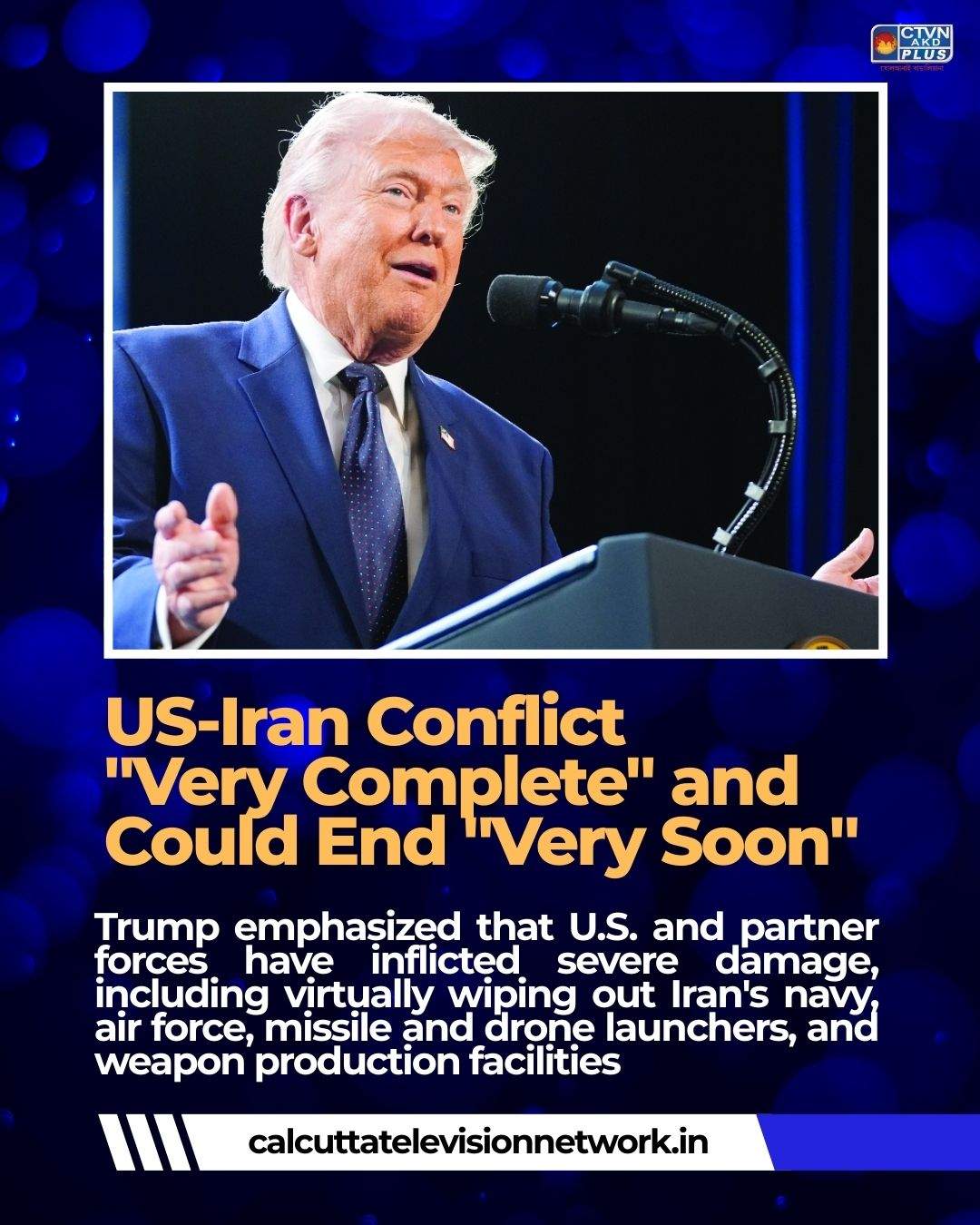
Trump: US-Iran Conflict "Very Complete" and Could End "Very Soon" – But Not This Week
President Donald Trump stated on March 9, 2026, during a press conference at Mar-a-Lago that the U.S. military operation against Iran—known as Operation Epic Fury—is "very complete" and "very far ahead of schedule," with the conflict potentially ending "very soon," though "not this week." Trump emphasized that U.S. and partner forces have inflicted severe damage, including virtually wiping out Iran's navy, air force, missile and drone launchers, and weapon production facilities.
The operation, launched on February 28, 2026, by U.S. Central Command at the president's direction, involves joint U.S.-Israeli strikes targeting Iranian military infrastructure, command centers, missile sites, air defenses, and other security apparatus. CENTCOM has released footage and statements showing ongoing operations, including Tomahawk missile launches from destroyers and carrier-based aircraft from the USS Abraham Lincoln strike group, which remains fully operational in the Arabian Sea despite Iranian claims of attacks (denied by U.S. officials with supporting photos).
Trump reiterated the core objective: ensuring Iran cannot acquire nuclear weapons "for a very long period of time." He described the campaign as decisive action to eliminate imminent threats from the regime, citing Iran's refusal to renounce nuclear ambitions following earlier strikes. The president has projected confidence in a swift resolution, framing the effort as "peace through strength" and highlighting overwhelming U.S. military superiority.
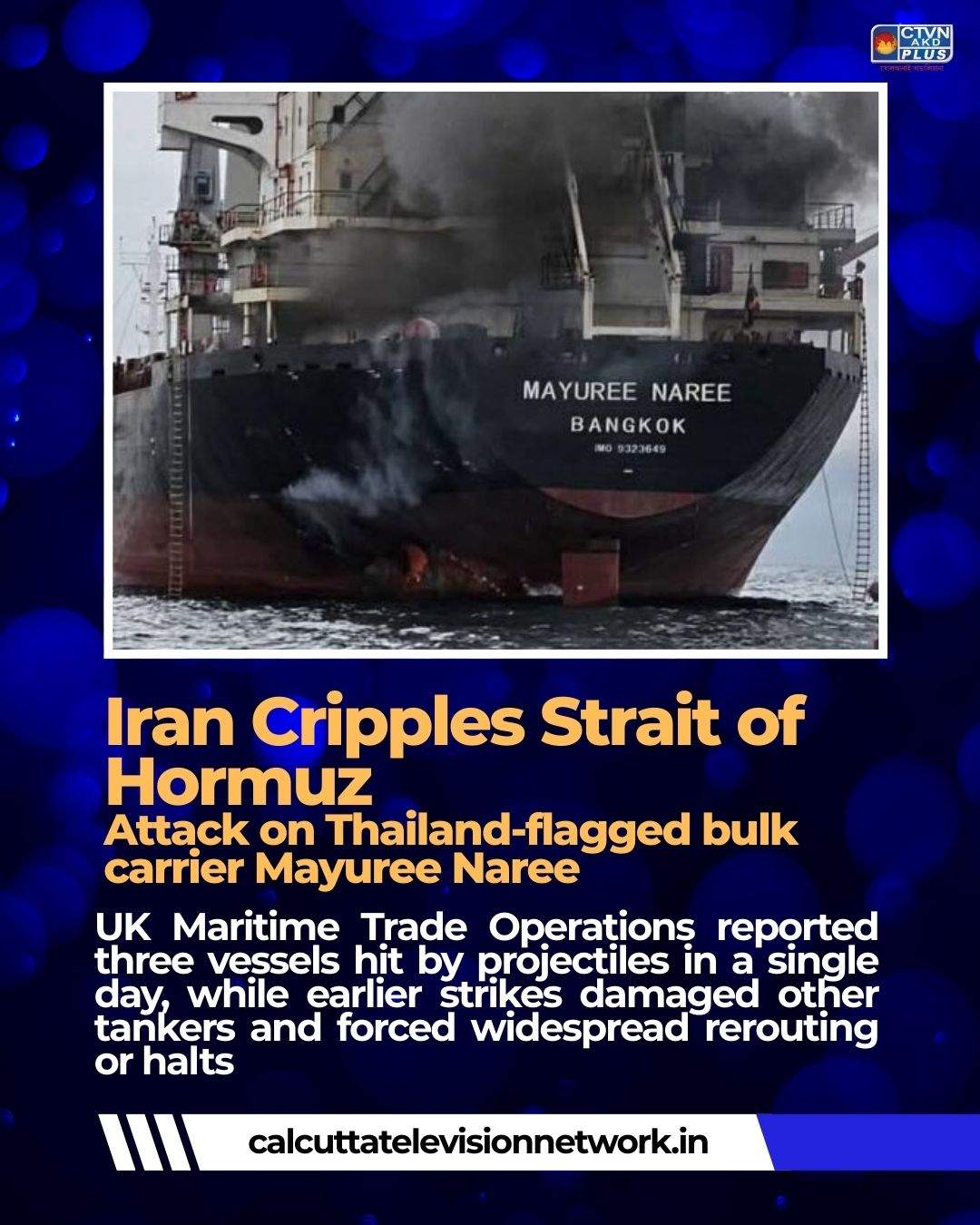
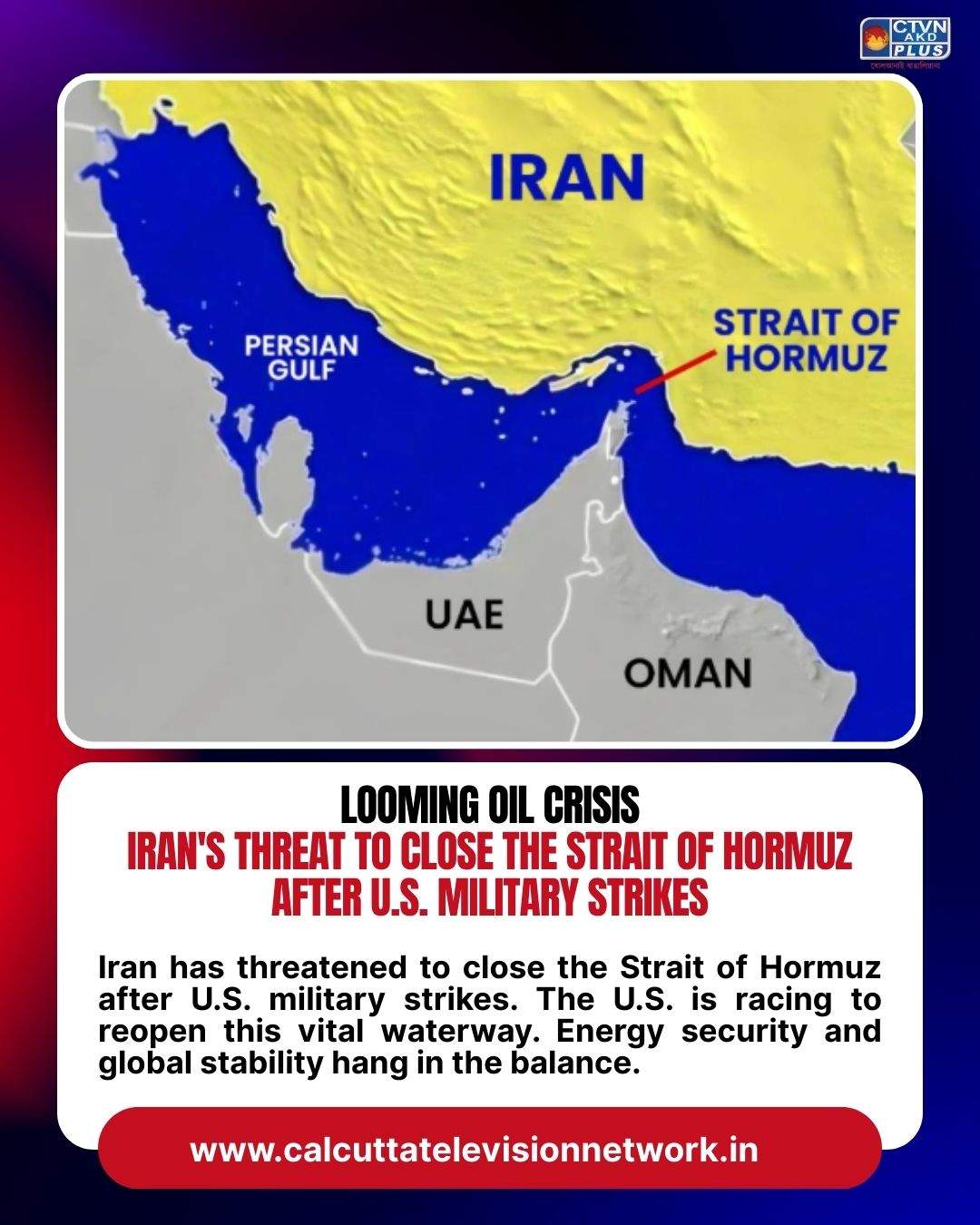
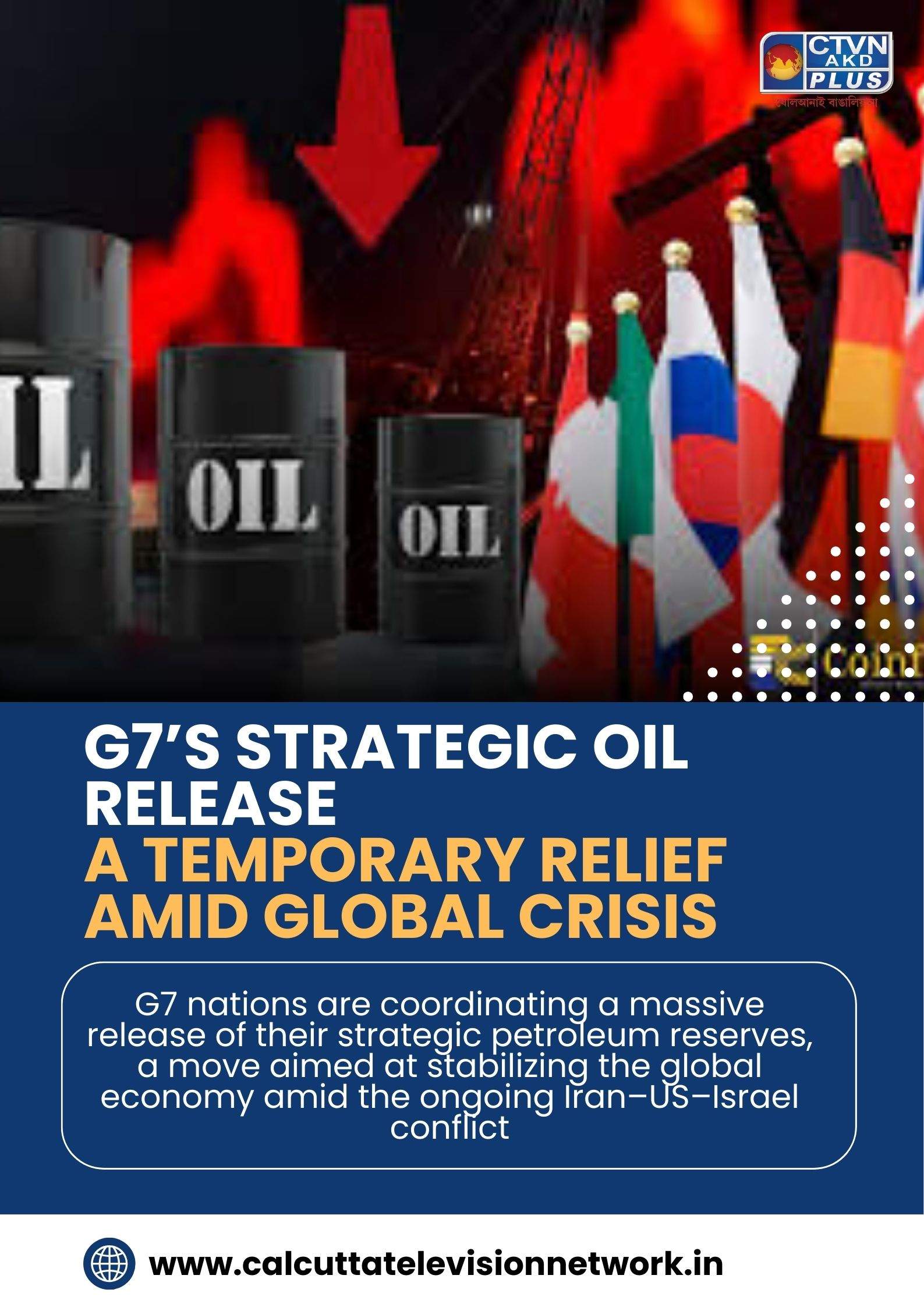
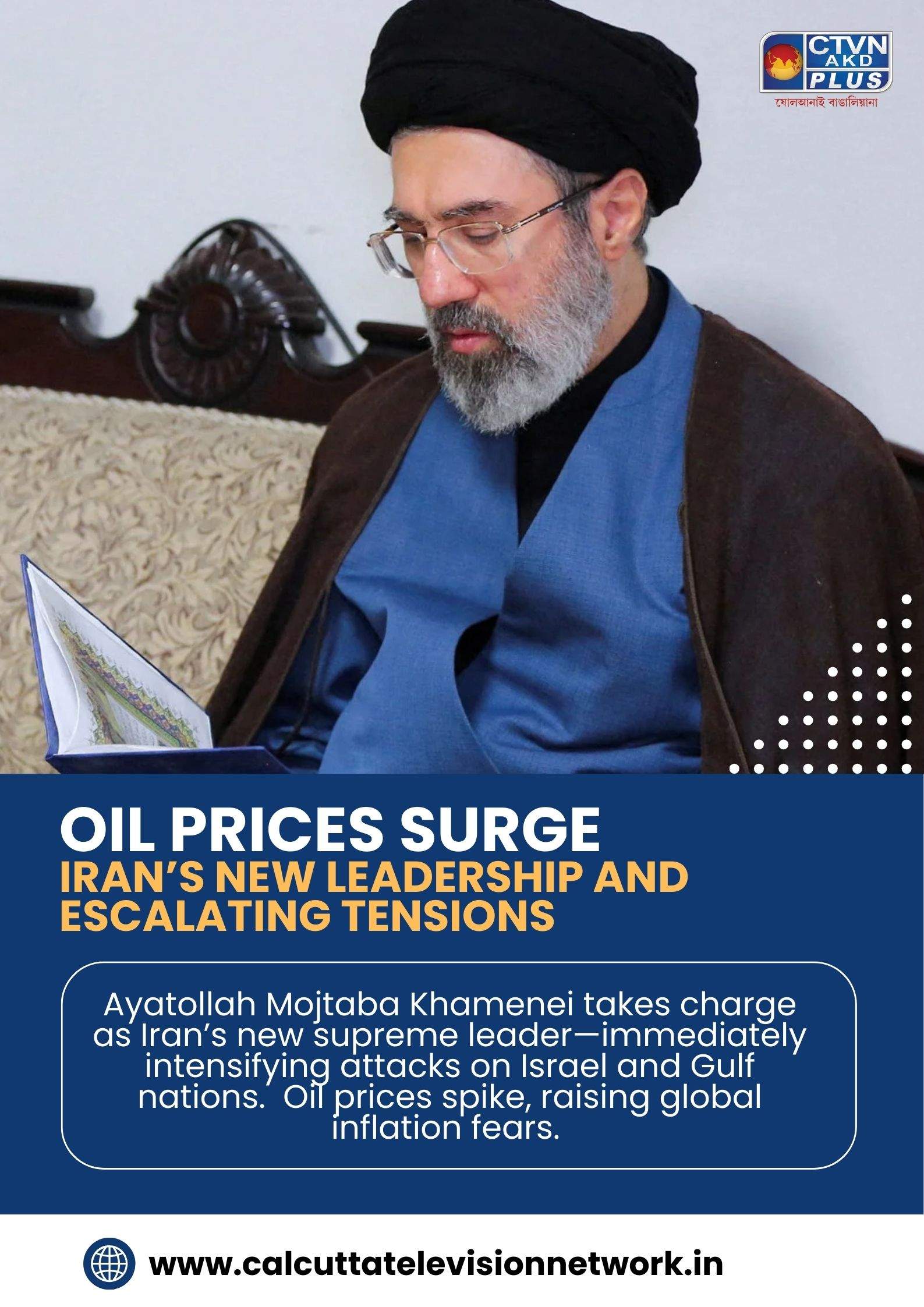
As the conflict enters its second week, reports indicate declining Iranian missile and drone salvos (down 70–85% from initial days), though Tehran vows prolonged resistance under new Supreme Leader Mojtaba Khamenei. Global concerns persist over energy market disruptions, including volatile oil prices and Strait of Hormuz navigation issues. Trump has signaled no immediate de-escalation but stressed the operation remains focused and effective.
The administration maintains that U.S. forces continue unrelenting strikes to dismantle threats, with no confirmed end date. As diplomatic channels remain strained—Iran rejecting future U.S. negotiations—the conflict's trajectory depends on military progress and regional responses.