US Signals on Crude Oil Imports Amid Iran-US War
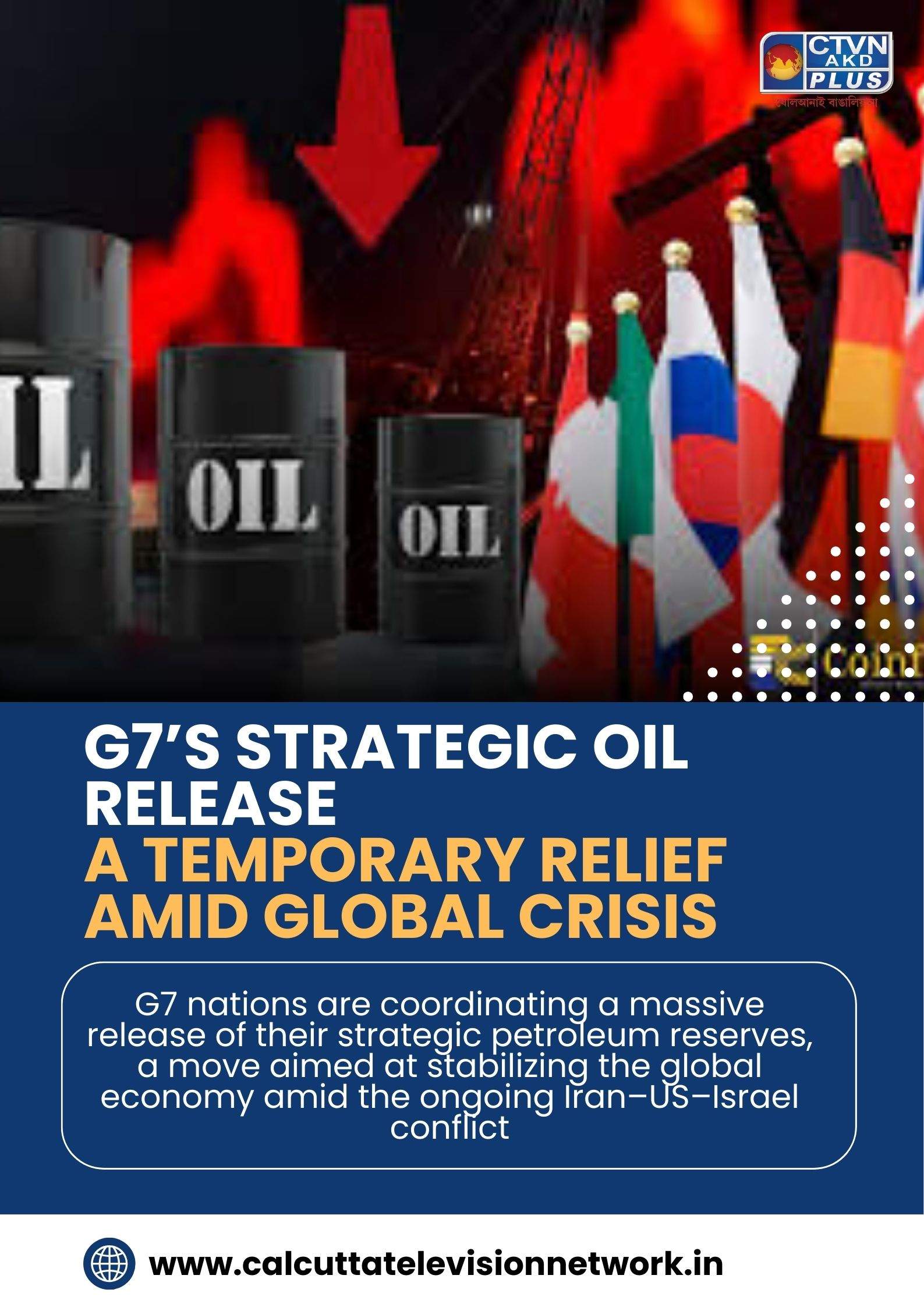
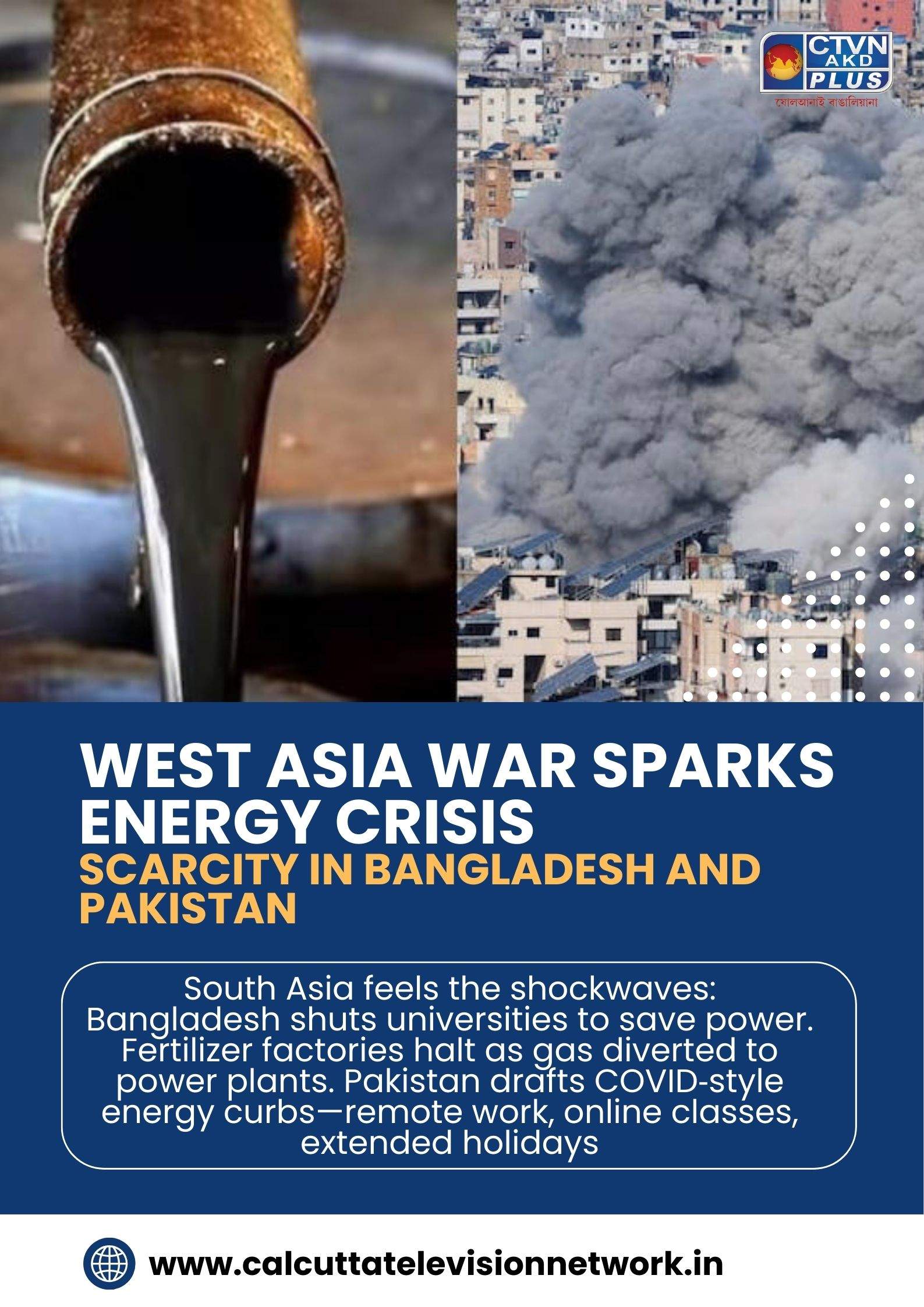
The ongoing war between the United States and Iran has triggered a chain reaction across global markets, particularly in the energy sector. Crude oil, the lifeline of modern economies, has become scarce as Middle Eastern supply routes face disruption. This scarcity has heightened concerns in countries heavily dependent on imports, including India.
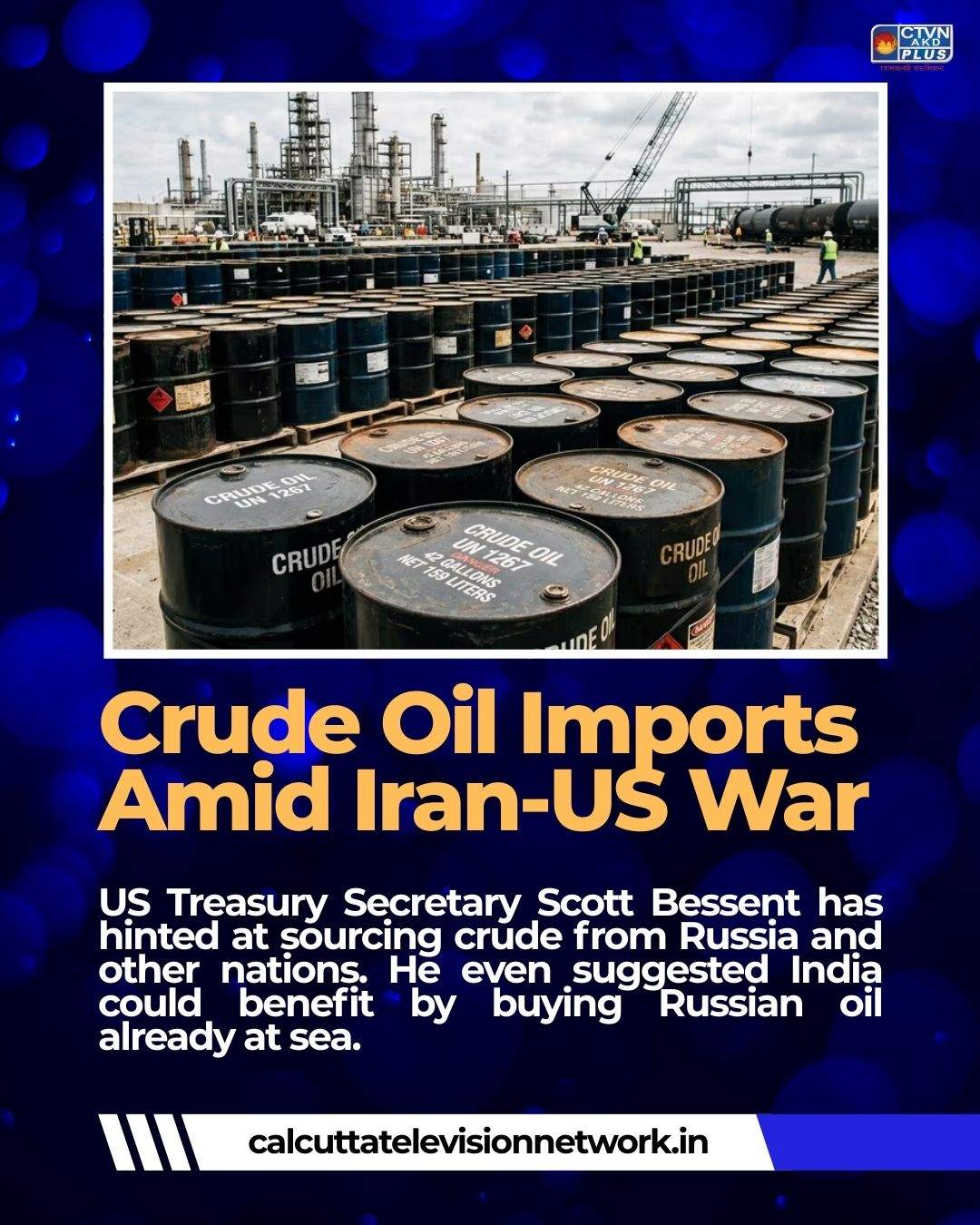
In this context, US Treasury Secretary Scott Bessent has made a significant statement, hinting at the possibility of sourcing crude oil from Russia and other nations. His remarks, though carefully worded, suggest that Washington is exploring unconventional options to stabilize global energy markets. This is particularly striking given the US’s long-standing opposition to Russian oil exports.
Bessent emphasized that under President Trump’s leadership, the US is working with major producers, consumers, and refiners to maintain stability while safeguarding security. The statement reflects a pragmatic approach: ensuring energy supply continuity even as geopolitical tensions escalate. Interestingly, Bessent also mentioned India as a key ally, encouraging it to consider Russian oil already en route by sea.
For India, this development is crucial. As the world’s second-largest arms importer and a nation with vast energy needs, India faces a delicate balancing act. On one hand, it has strong ties with Russia, while on the other, it values its strategic partnership with the US. The Treasury Secretary’s remarks may provide India with diplomatic space to secure energy supplies without alienating either side.
Ultimately, the US signal on crude oil imports underscores the interconnectedness of global politics and economics. The war in the Middle East is no longer a regional conflict—it is reshaping alliances, trade flows, and energy strategies worldwide. For India, the challenge lies in leveraging this moment to strengthen its energy security while maintaining diplomatic equilibrium.