Ceasefire Push in South Asia
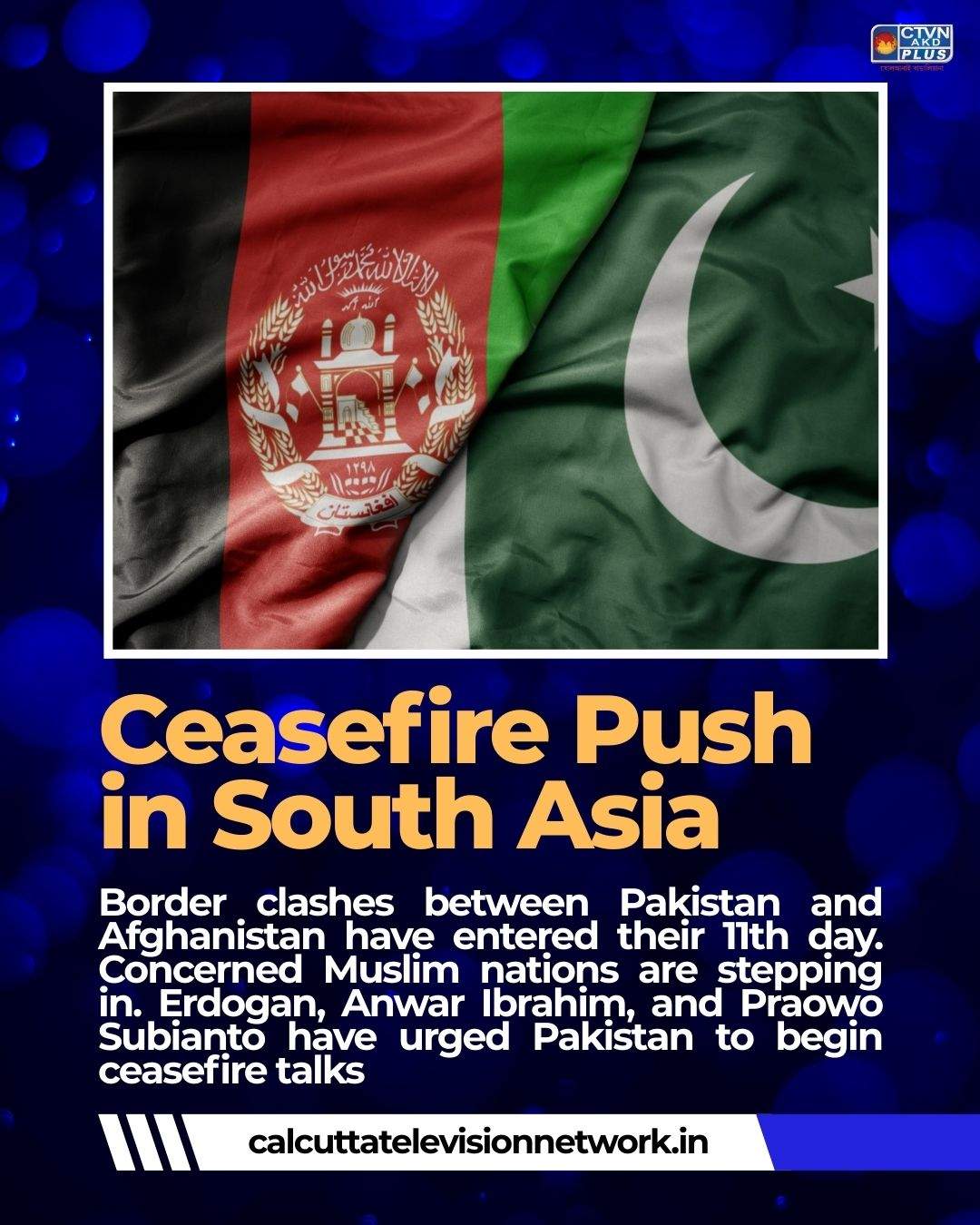
Clashes along the Pakistan–Afghanistan border have now entered their eleventh day, raising alarm across South Asia and the wider Muslim world. The prolonged fighting has prompted several countries, including Turkey, Malaysia, and Indonesia, to step in with urgent calls for a ceasefire. Diplomatic sources reveal that Turkish President Recep Tayyip Erdogan, Malaysian Prime Minister Anwar Ibrahim, and Indonesian President Prabowo Subianto have personally reached out to Pakistan’s Prime Minister Shehbaz Sharif, urging him to begin negotiations with Afghanistan.
These leaders have not only offered mediation but also emphasized the humanitarian and regional consequences of continued hostilities. Senior defense delegations from Turkey and Malaysia are expected to arrive in Islamabad soon to facilitate dialogue. At the same time, officials from these countries, along with Indonesia, have established direct contact with the Afghan Taliban leadership, pressing them to agree to a ceasefire.
There is cautious optimism that a breakthrough could occur around the days of Eid, a symbolic moment for reconciliation. Pakistan has reportedly given its consent to mediation efforts but insists that certain conditions must be met before formal talks can begin.
This is not the first attempt at mediation. In October last year, Qatar, Turkey, and Saudi Arabia tried to broker peace after similar clashes, but those efforts failed. The renewed involvement of Turkey, Malaysia, and Indonesia suggests a stronger push this time, with regional powers recognizing the destabilizing potential of prolonged conflict.
The stakes are high. Continued fighting risks worsening refugee flows, undermining fragile economies, and destabilizing the broader West Asian and South Asian regions. A ceasefire, if achieved, could not only ease tensions between Pakistan and Afghanistan but also signal a collective effort by Muslim nations to safeguard regional peace and stability.