Macron: Attack on Cyprus is Attack on Europe, Allies Eye Strait of Hormuz
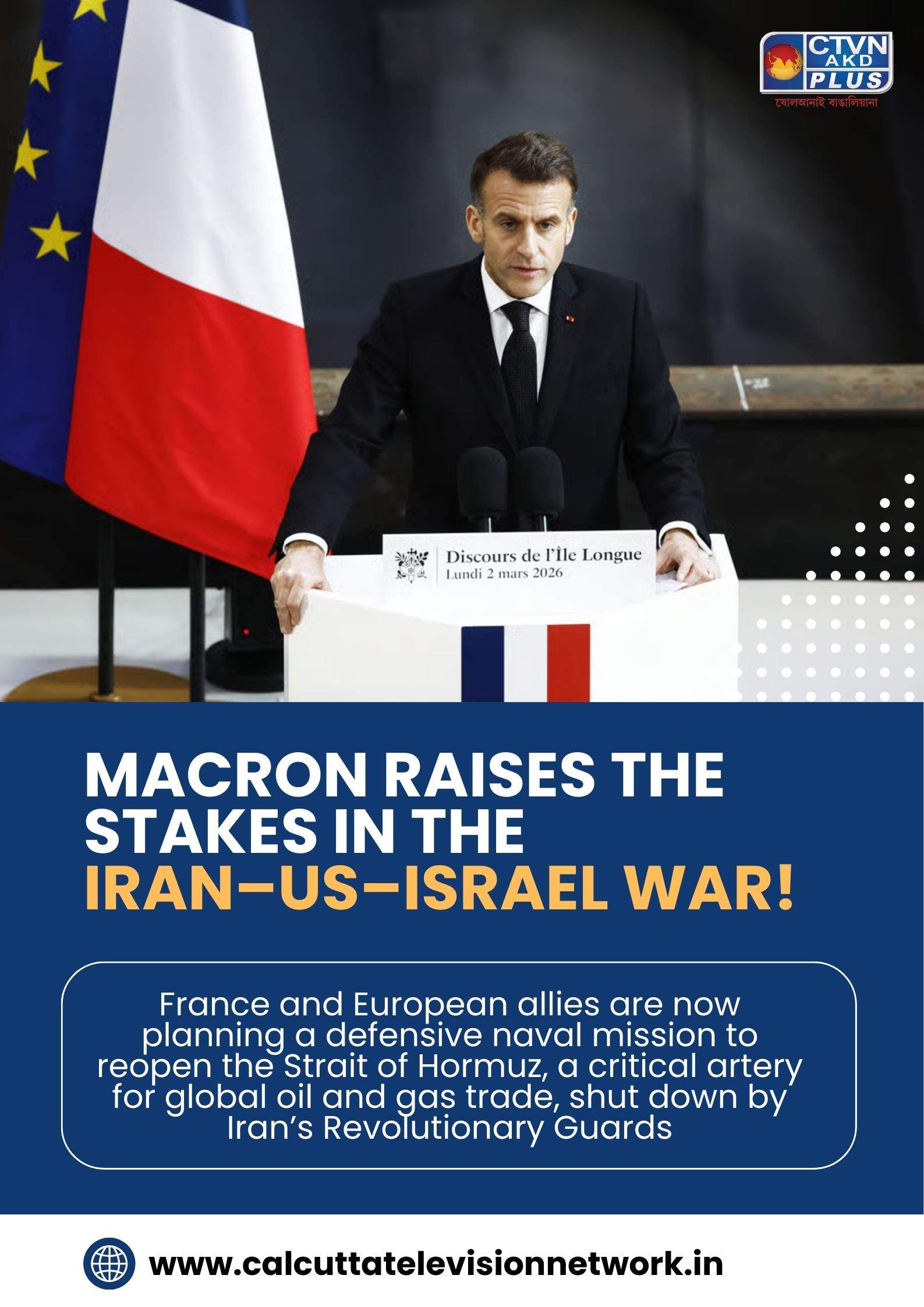
French President Emmanuel Macron’s remarks in Cyprus mark a significant escalation in Europe’s positioning within the Iran–US–Israel conflict. By declaring that “an attack on Cyprus is an attack on Europe,” Macron is effectively framing the drone strike on the British base in Cyprus as not just a localized incident, but a direct challenge to European sovereignty and security. This rhetoric is designed to rally EU solidarity and signal deterrence.
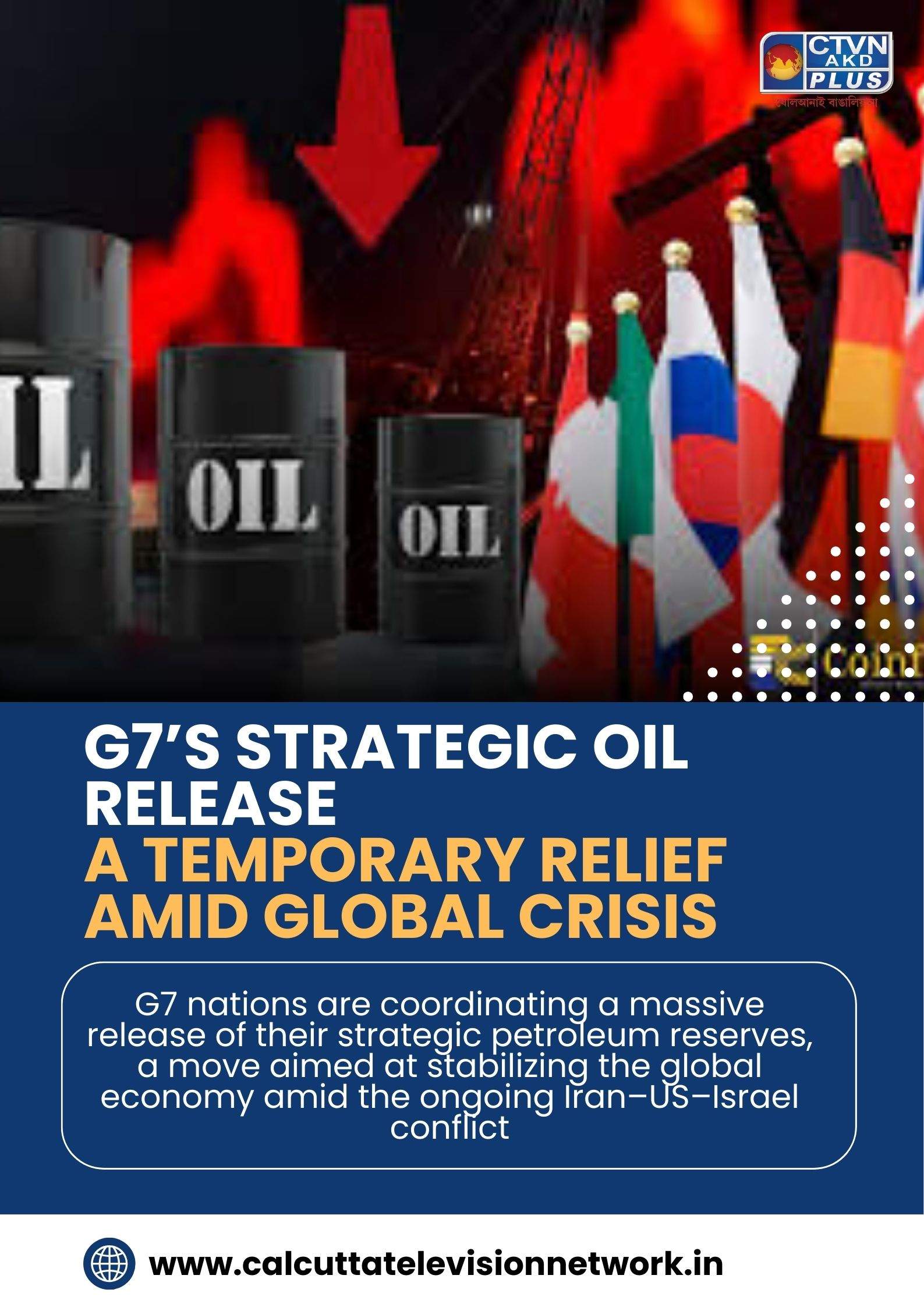
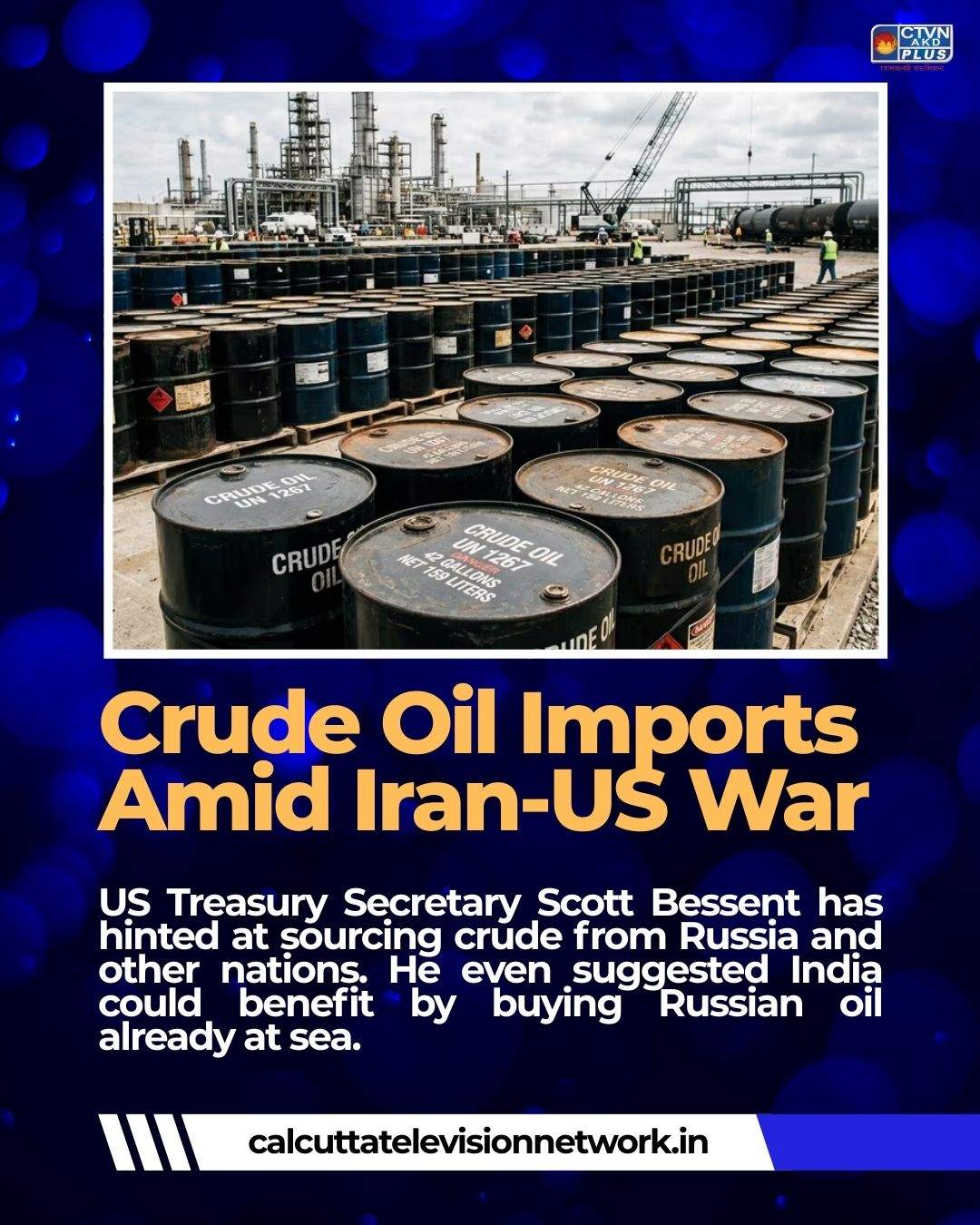
The second major point is Macron’s announcement of a “defensive mission” to reopen the Strait of Hormuz. Since Iran’s Islamic Revolutionary Guards Corps (IRGC) shut the strait in retaliation for U.S. and Israeli strikes, global oil and gas flows have been severely disrupted. Macron’s plan—escorting tankers and container ships—echoes Cold War–style convoy operations, but he stressed it would be “purely defensive.” This is crucial because Europe depends heavily on Middle Eastern energy supplies, and the closure has already driven oil prices to record highs.
Macron’s presence alongside Cypriot President Nikos Christodoulides and Greek Prime Minister Kyriakos Mitsotakis underscores a Mediterranean coalition approach. The EU has also signalled readiness to “enhance” maritime protection, potentially expanding its Red Sea mission to cover Hormuz.
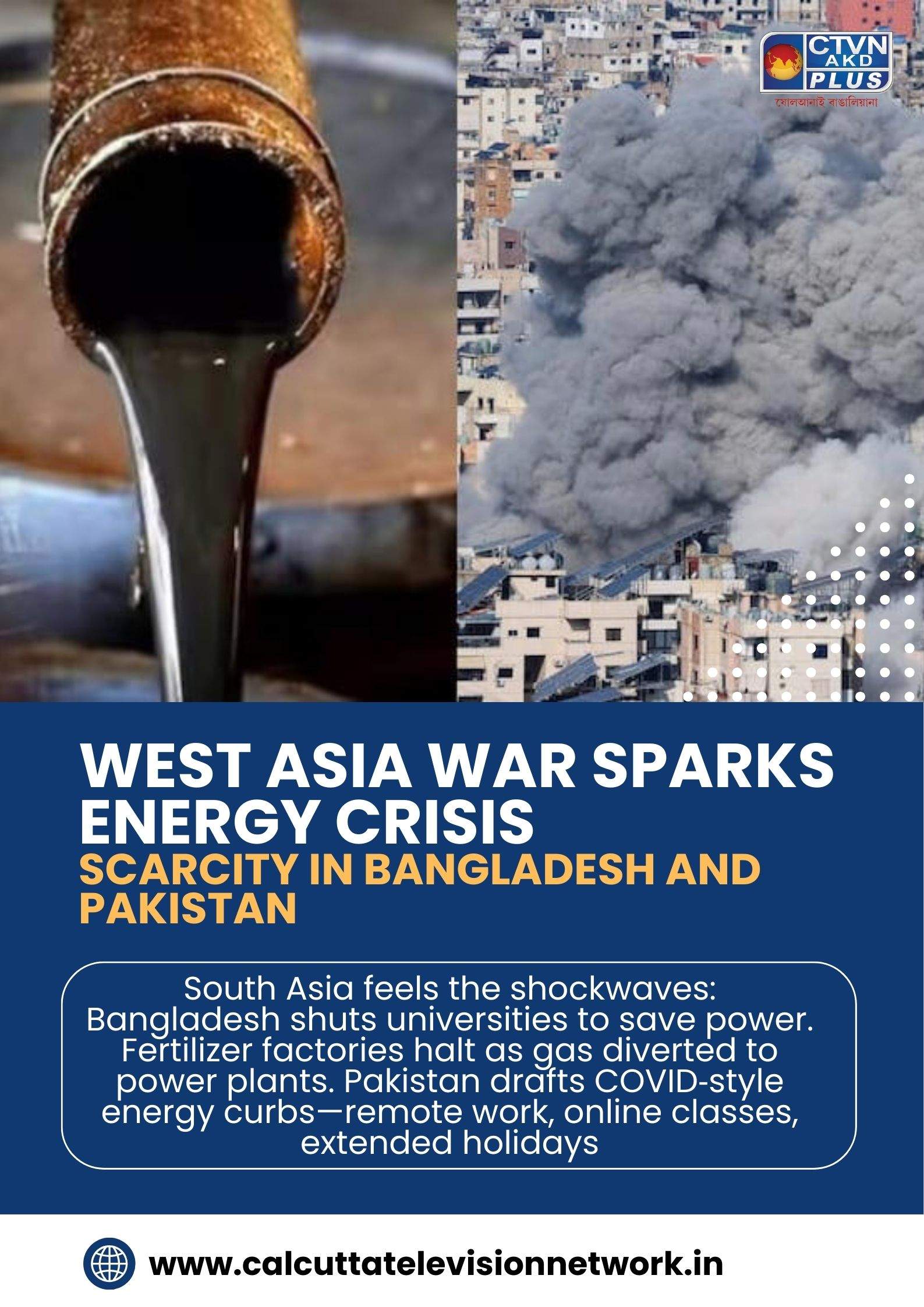
The broader context is that Operation Epic Fury (U.S.) and Operation Rising Lion (Israel) have triggered a regional chain reaction: Iranian strikes on U.S. bases, Israeli targets, and Gulf oil facilities; Gulf states intercepting drones and missiles; and aviation chaos with hundreds of flights cancelled. Macron’s framing of Cyprus as Europe’s frontline is meant to ensure the EU is not sidelined in what has become a global crisis.
In short, Macron is tying European security directly to Middle Eastern stability, while preparing Europe to play a more active role in safeguarding energy routes.