G7’s Strategic Oil Release: A Temporary Relief Amid Global Crisis
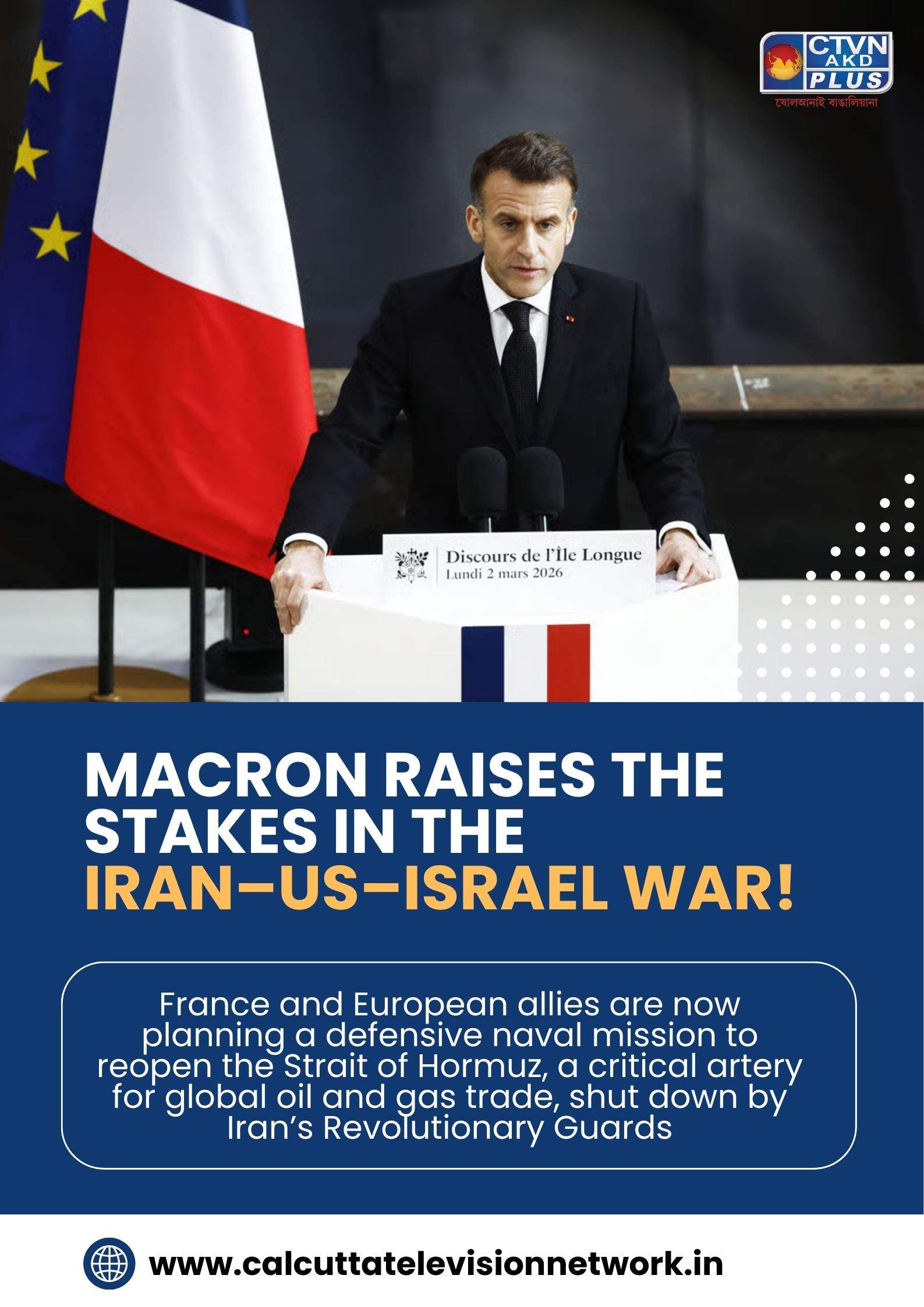
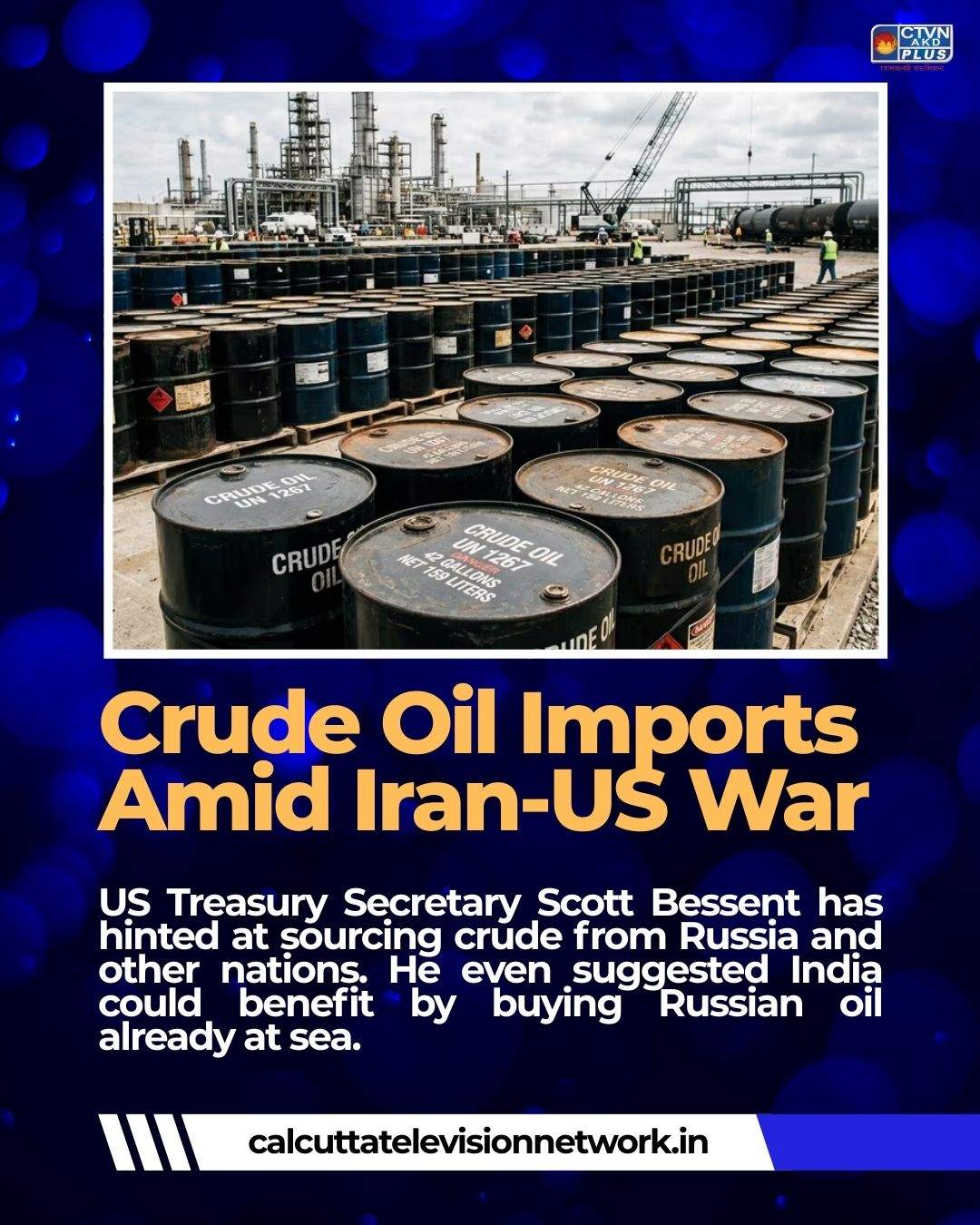
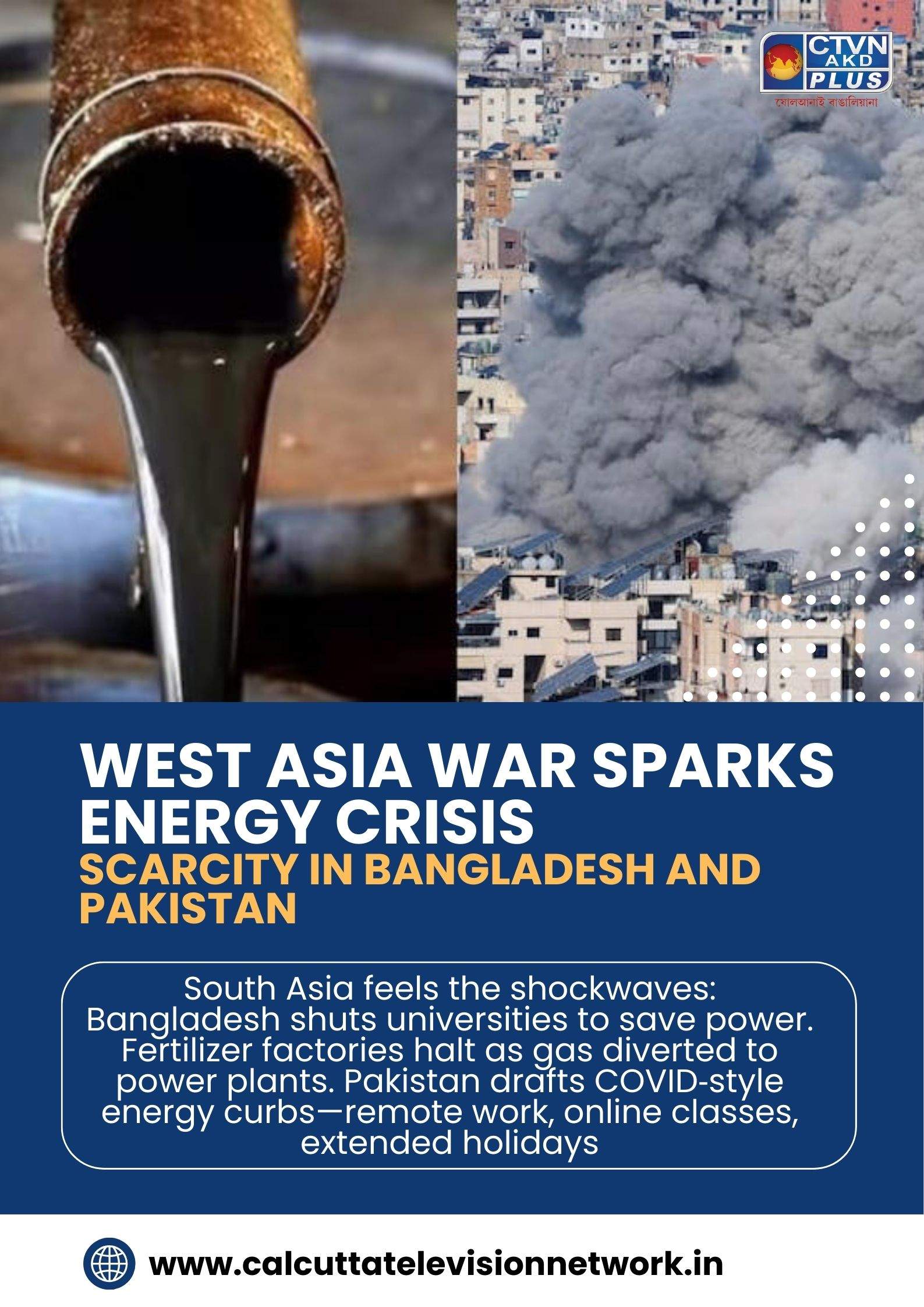
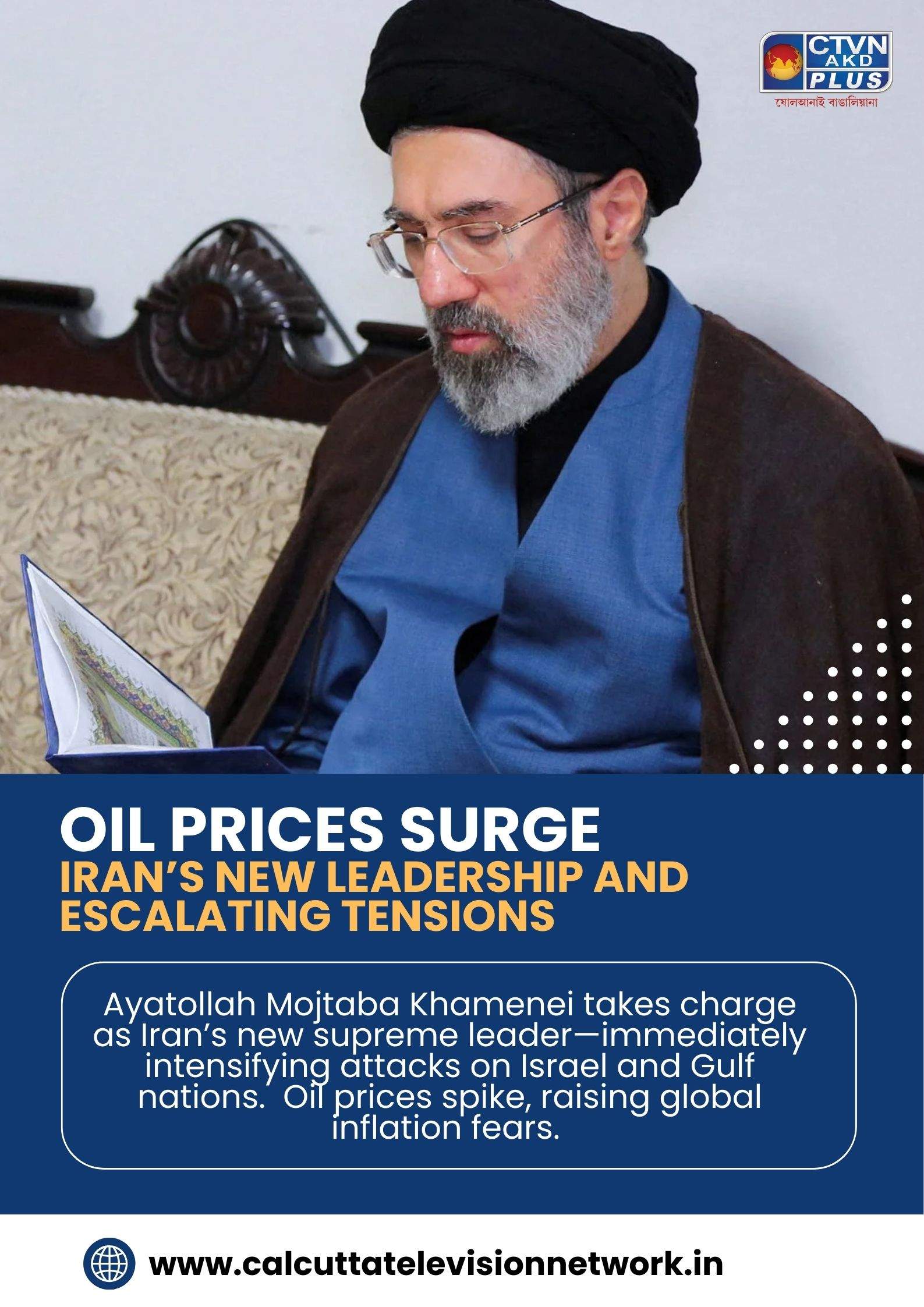
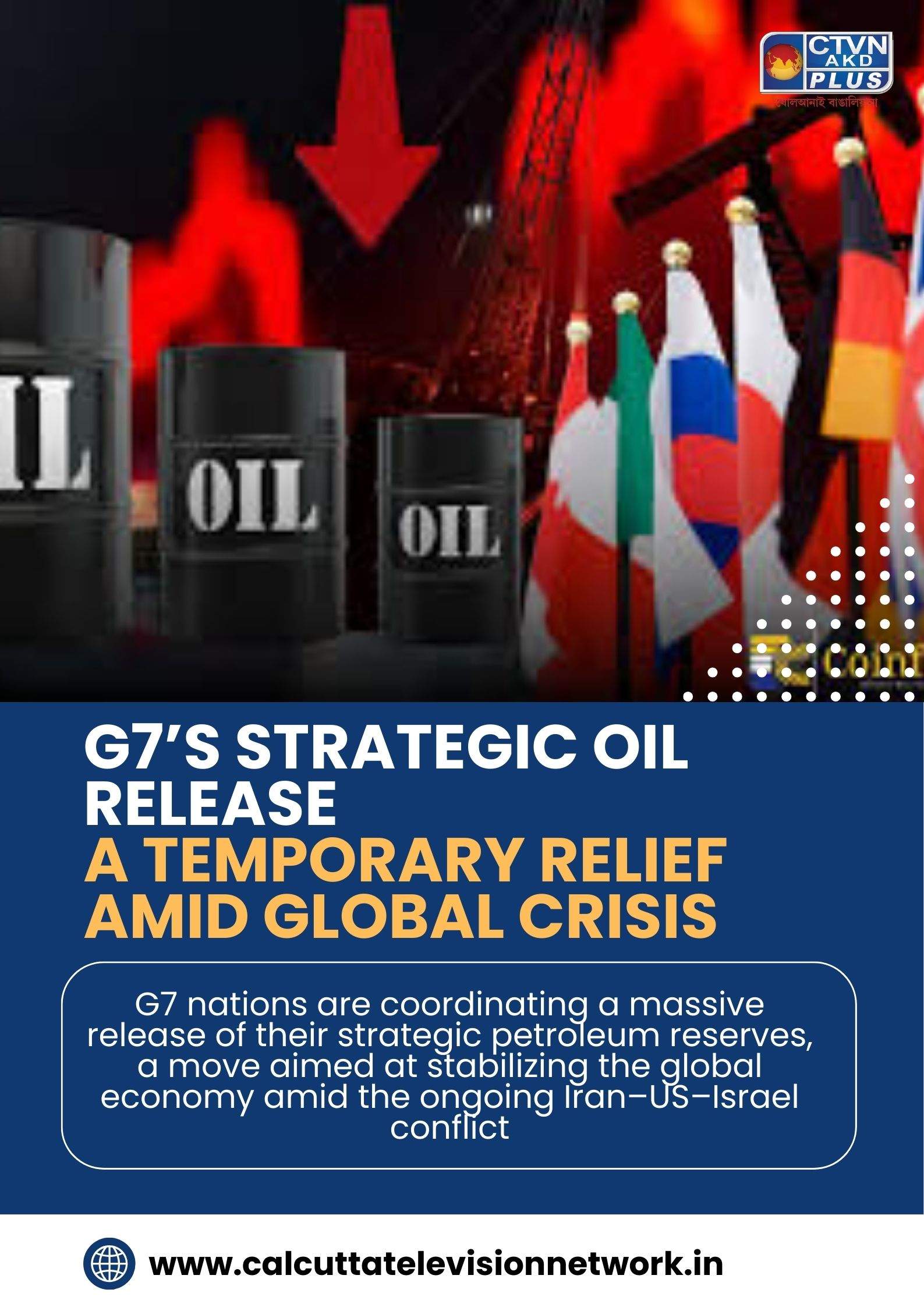
The sudden $17 plunge in crude oil prices within just two hours highlights the extraordinary volatility of today’s energy markets. This dramatic shift followed reports that G7 nations are coordinating a massive release of their strategic petroleum reserves, a move aimed at stabilizing the global economy amid the ongoing Iran–US–Israel conflict. The closure of the Strait of Hormuz, one of the world’s most critical maritime chokepoints, has triggered what many analysts call the worst energy crisis since the 1970s.
For countries like Britain, the intervention is particularly urgent. With only two days’ worth of gas reserves left, the nation was on the brink of a severe energy blackout. By flooding the market with emergency reserves, G7 leaders hope to ease immediate supply shortages and reduce the leverage of regional adversaries who have targeted production hubs such as Bahrain’s Sitra refinery.
However, experts caution that this measure is only a short-term fix. Strategic reserves are traditionally considered a “last resort,” deployed during major geopolitical shocks or natural disasters. While the release can temporarily lower prices and calm markets, it does not address the fundamental issue: the Strait of Hormuz remains blocked, restricting the flow of oil and gas from the Middle East.
The Pentagon’s ongoing mission to secure shipping lanes underscores the military dimension of this crisis. Ultimately, the success of the G7’s economic maneuver depends on how long these nations can sustain reserve releases and whether maritime routes can be reopened.
For consumers, the immediate impact may be a slight relief at the pump. Yet the long-term outlook remains uncertain, tied to the resolution of the regional conflict. The G7’s intervention demonstrates both the fragility of global energy systems and the interconnectedness of geopolitics and economics in shaping everyday life.