Trump Warns on US Worries: "I Guess" Americans Should Worry About Iranian Attacks on U.S. Soil as Epic Fury Intensifies
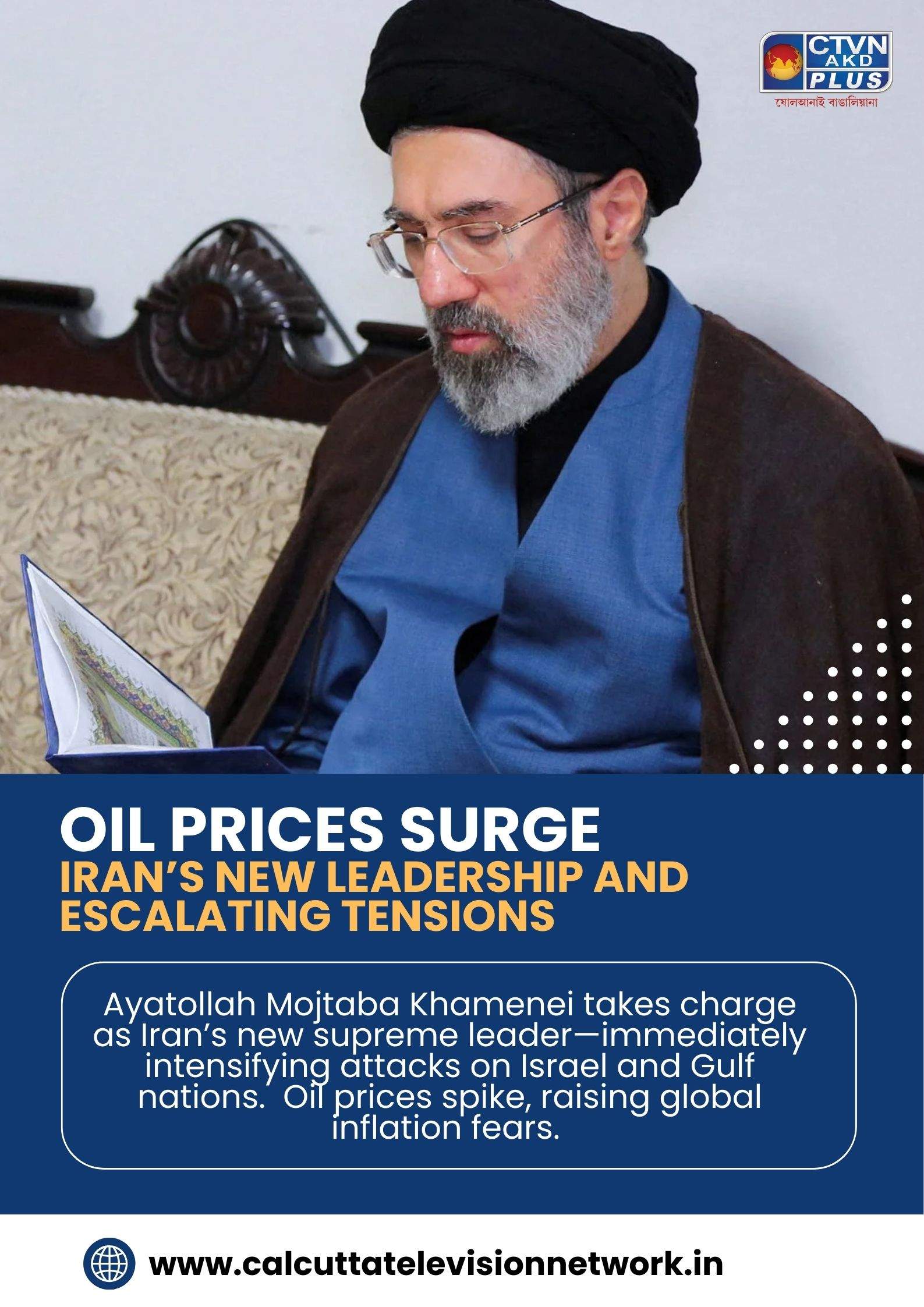
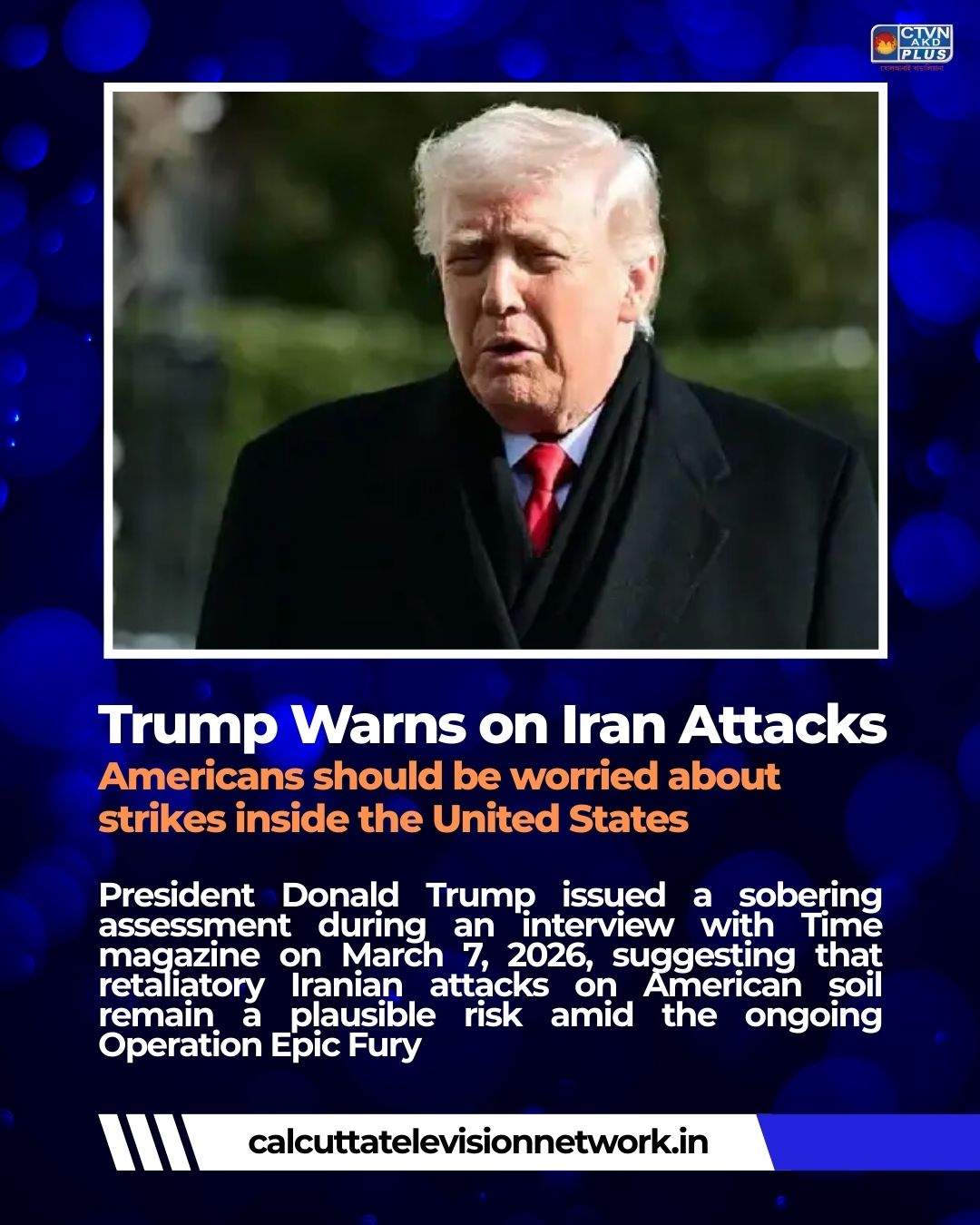
President Donald Trump issued a sobering assessment during an interview with Time magazine on March 7, 2026, suggesting that retaliatory Iranian attacks on American soil remain a plausible risk amid the ongoing Operation Epic Fury. When directly asked if Americans should be worried about strikes inside the United States, Trump responded candidly: “I guess.”
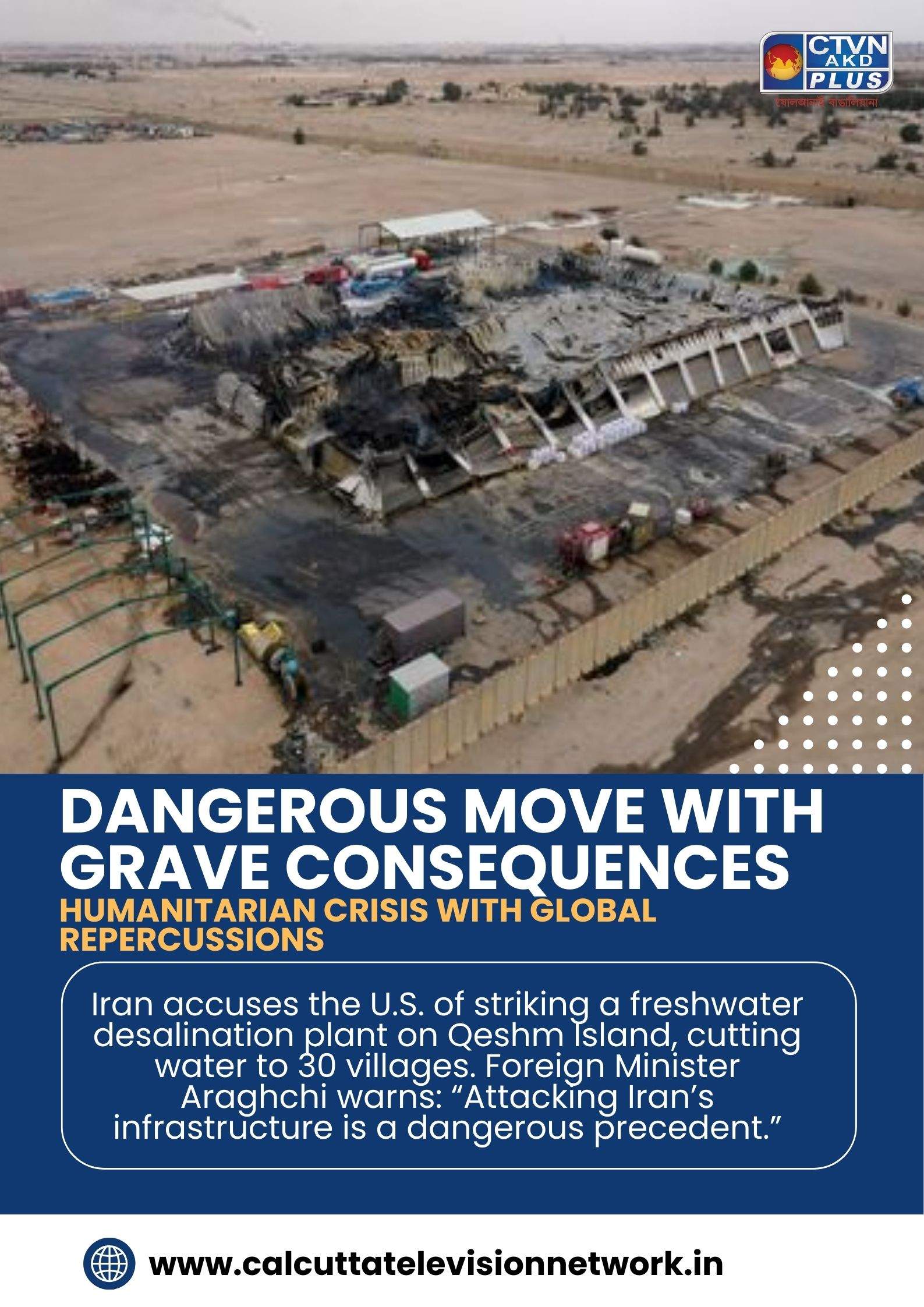
The off-the-cuff remark underscores mounting concerns over Iran's capacity for asymmetric retaliation beyond the Middle East. Despite U.S.-Israeli strikes degrading over 60% of Iran's ballistic missile launchers, air defenses, and naval assets—including the destruction of key facilities and the sinking of vessels like the IRIS Dena—Iran retains dispersed, mobile systems and proxy networks potentially capable of reaching U.S. homeland targets. Intelligence assessments highlight risks from IRGC-linked sleeper cells, cyberattacks, or low-signature operations using commercial vessels or drones launched from cargo ships off U.S. coasts.
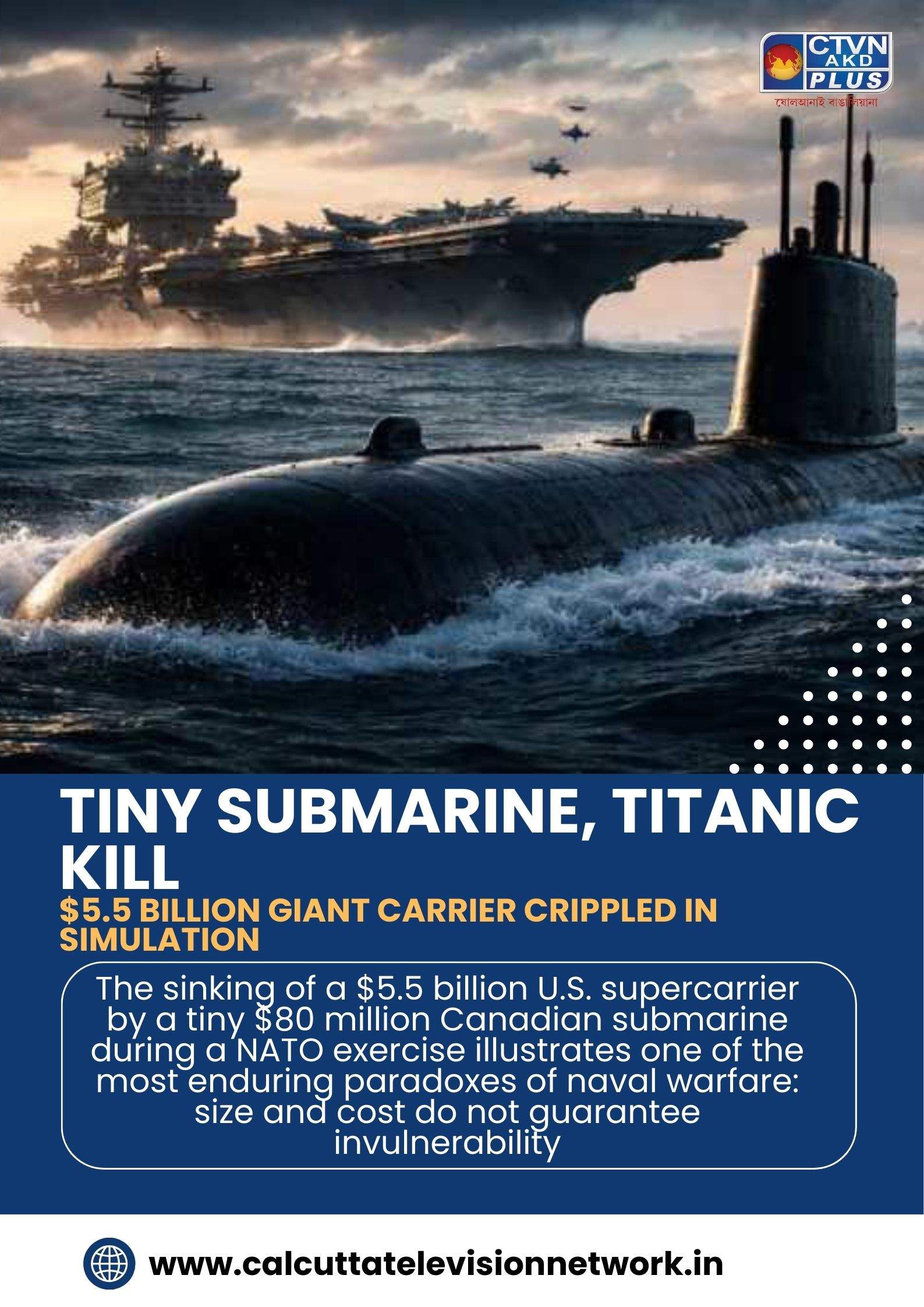
Trump's comment arrives as the conflict spirals: a $300 million THAAD radar destroyed in Jordan, the USS Abraham Lincoln damaged, Qatar's LNG production halted, and Hormuz traffic collapsed 85–90%. Russia reportedly shares real-time U.S. asset locations with Tehran, while North Korea threatens nuclear intervention. These developments amplify fears that Iran could pivot to "farther afield" retaliation if homeland strikes continue unabated.
U.S. domestic security has already tightened—FBI and DHS bulletins warn of heightened vigilance for lone actors or coordinated plots inspired by the war. Yet Trump's “I guess” carries a tone of resigned realism rather than alarmism, aligning with his pattern of blunt communication. It contrasts with earlier assurances of “virtually unlimited” munitions and quick victory, reflecting the war's growing unpredictability.
As NATO stays out, Congress blocks new strikes, and diplomatic thaws flicker (Tehran thanking Riyadh for neutrality), the president's words serve as a stark reminder: prolonged conflict invites blowback far from the battlefield. With global energy in crisis and escalation risks peaking, Americans now face the uncomfortable possibility that the Middle East war could arrive on their doorstep.