Expert Warns: Better for US to Declare Victory Early in Iran War Than Exhaustion Exit – Leaving Tehran "Wounded Beast" Risks Worse
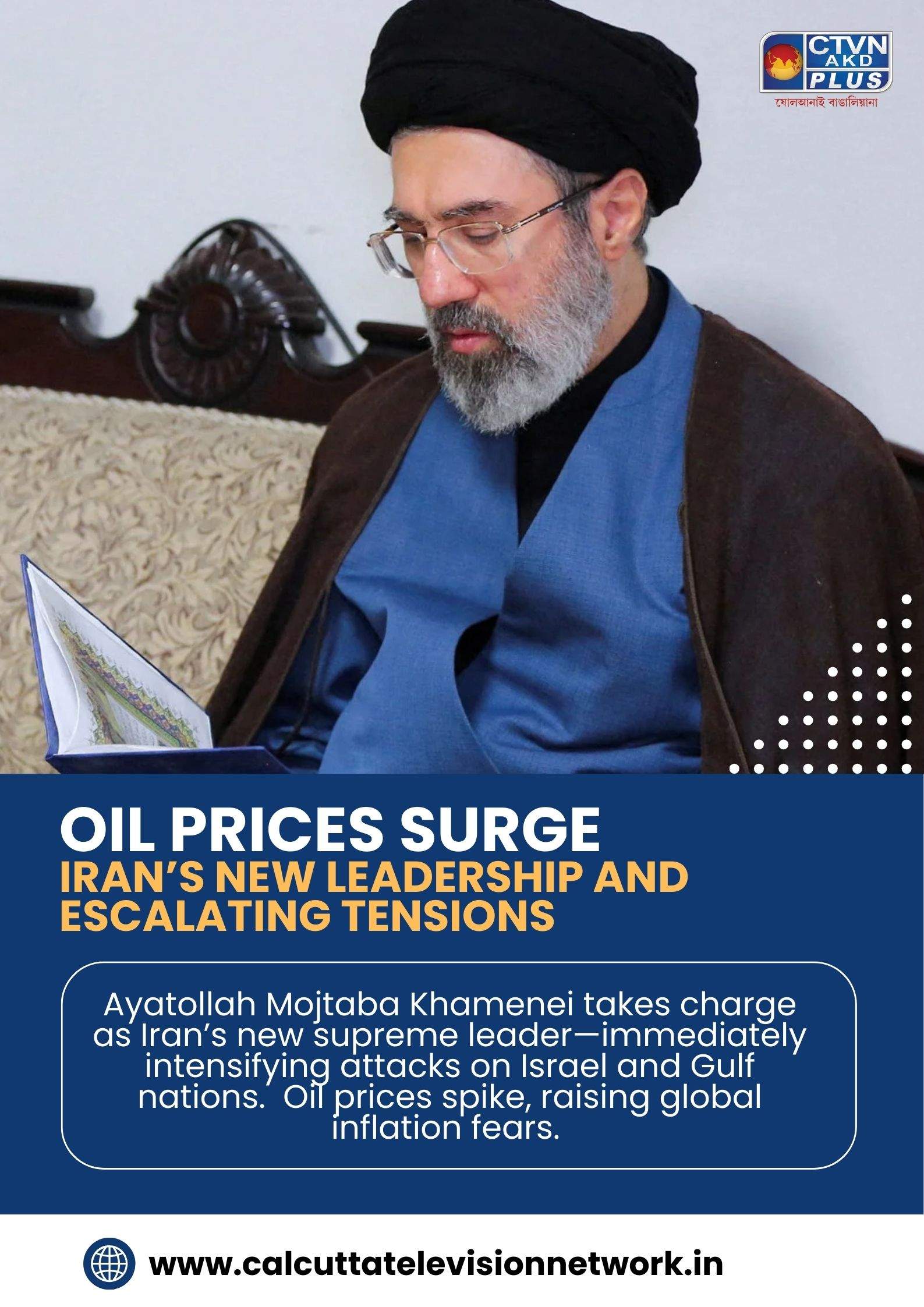
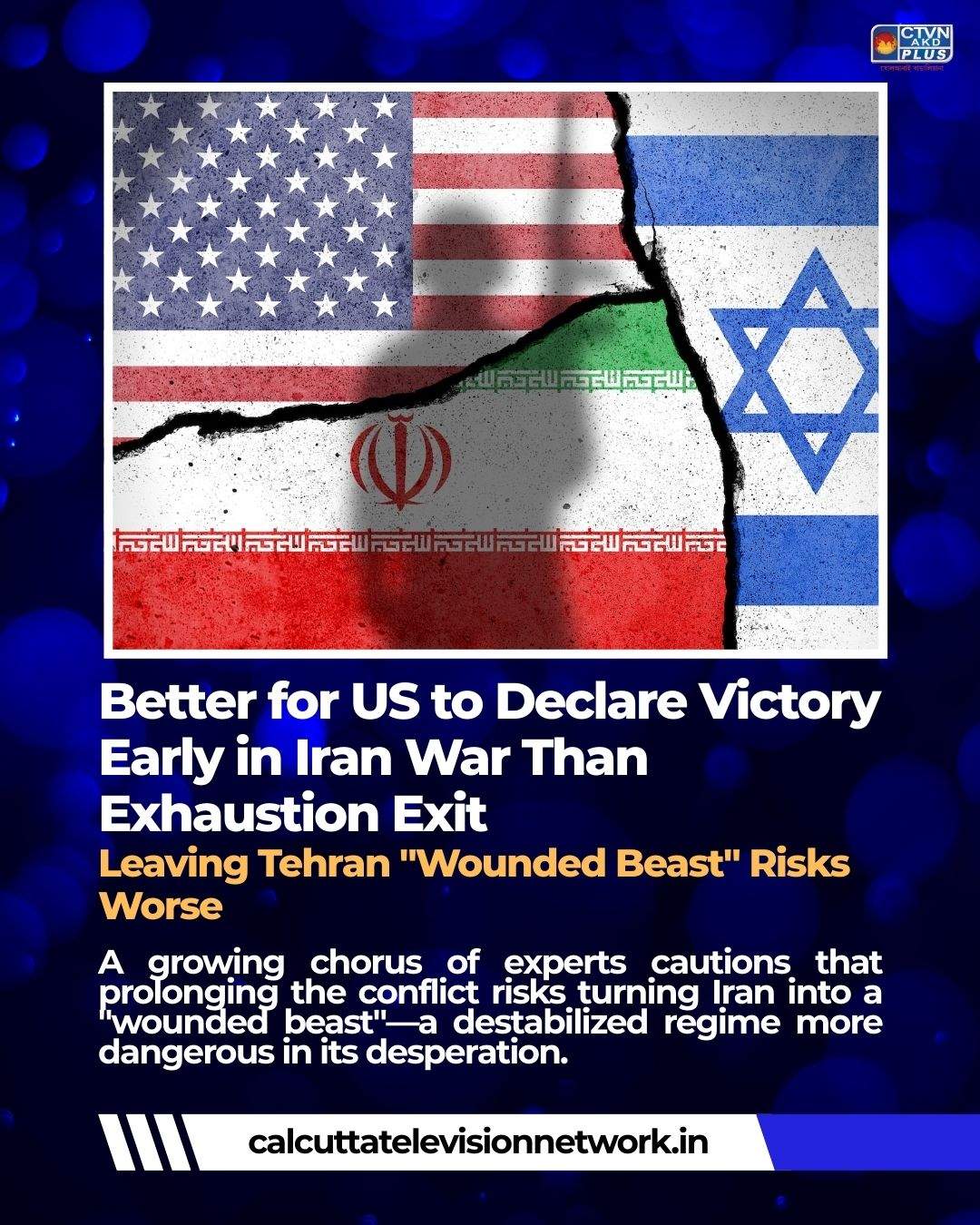
As Operation Epic Fury grinds into its second week, a growing chorus of experts cautions that prolonging the conflict risks turning Iran into a "wounded beast"—a destabilized regime more dangerous in its desperation. In a March 7, 2026, op-ed for The Atlantic, former CIA analyst and Middle East specialist Dr. Elena Vasquez argued: "Leaving the regime as a wounded beast is a bleak prospect. But it would be better for America to declare victory early than limp out because of exhaustion."
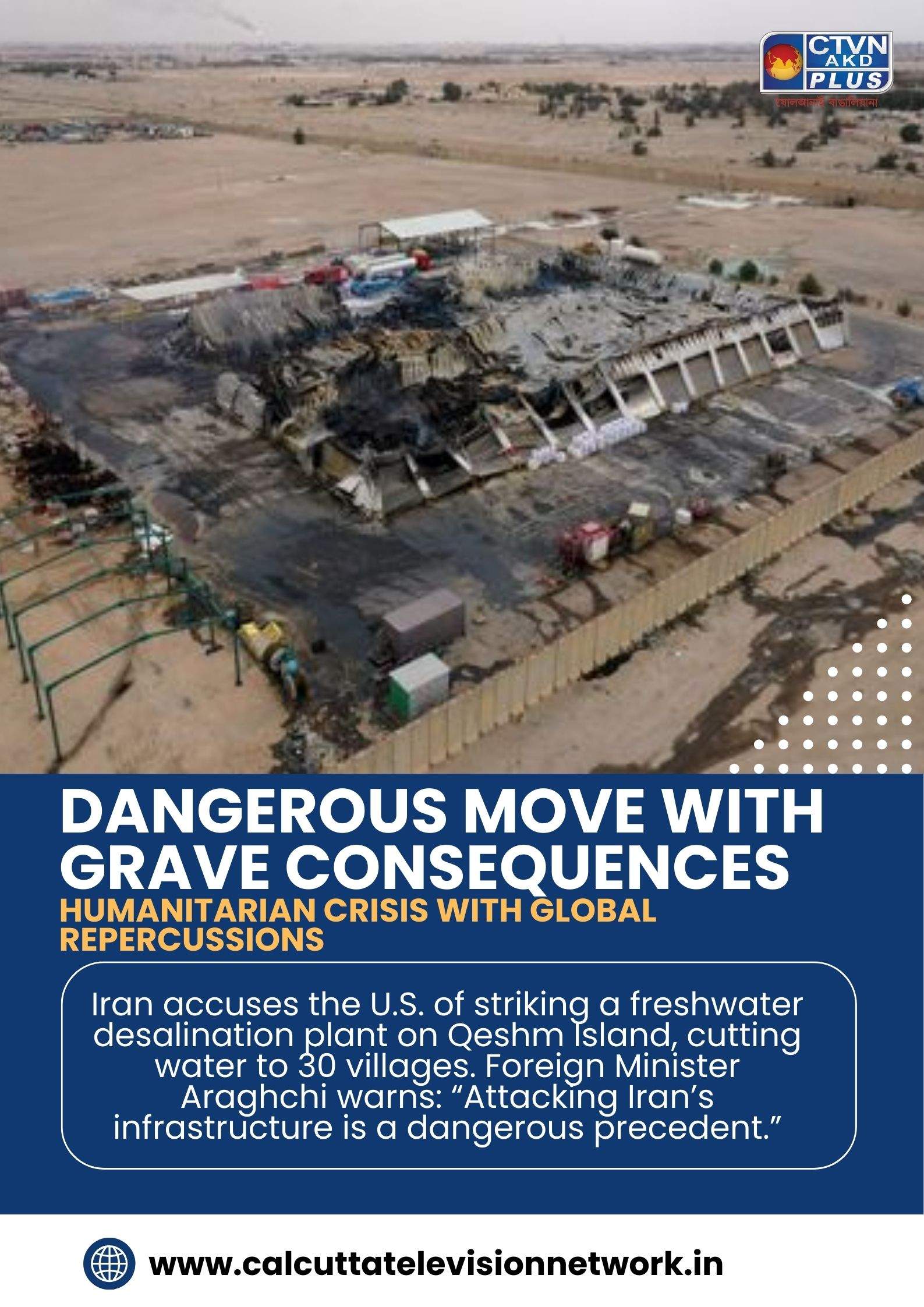
Vasquez's analysis highlights the perils of attrition: U.S. forces have achieved tactical successes—over 1,700 targets struck, air dominance over Tehran, key missile sites destroyed by B-2 bombers and PrSMs, naval losses like the IRIS Dena sunk—but at mounting costs. Interceptor stockpiles (Patriot, THAAD) are depleting rapidly, with a $300 million radar obliterated in Jordan, the USS Abraham Lincoln damaged, and munitions shortages echoing General Dan Cain's warnings to Trump. Congress's block on new strikes and NATO's non-involvement further strain sustainability.
Declaring an early victory, Vasquez suggests, could involve securing key objectives—degrading Iran's nuclear program (uranium for 11 bombs), neutralizing proxies, and forcing concessions—then withdrawing on U.S. terms. This avoids the "limp out" of past quagmires like Afghanistan, preserving resources amid Russian intel sharing to Iran, North Korean threats, and global energy collapse (Hormuz closed, Qatar LNG halted, prices surging).
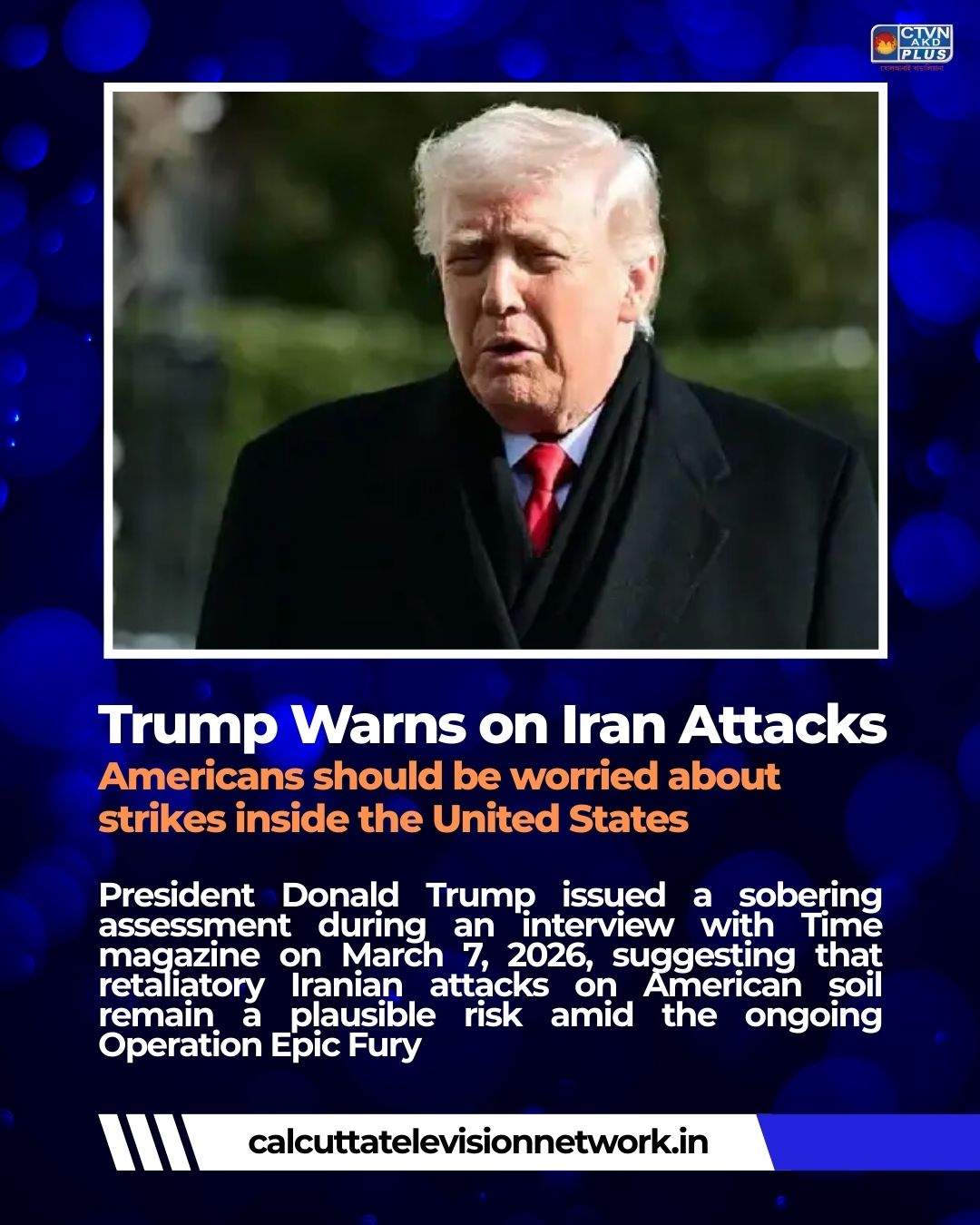
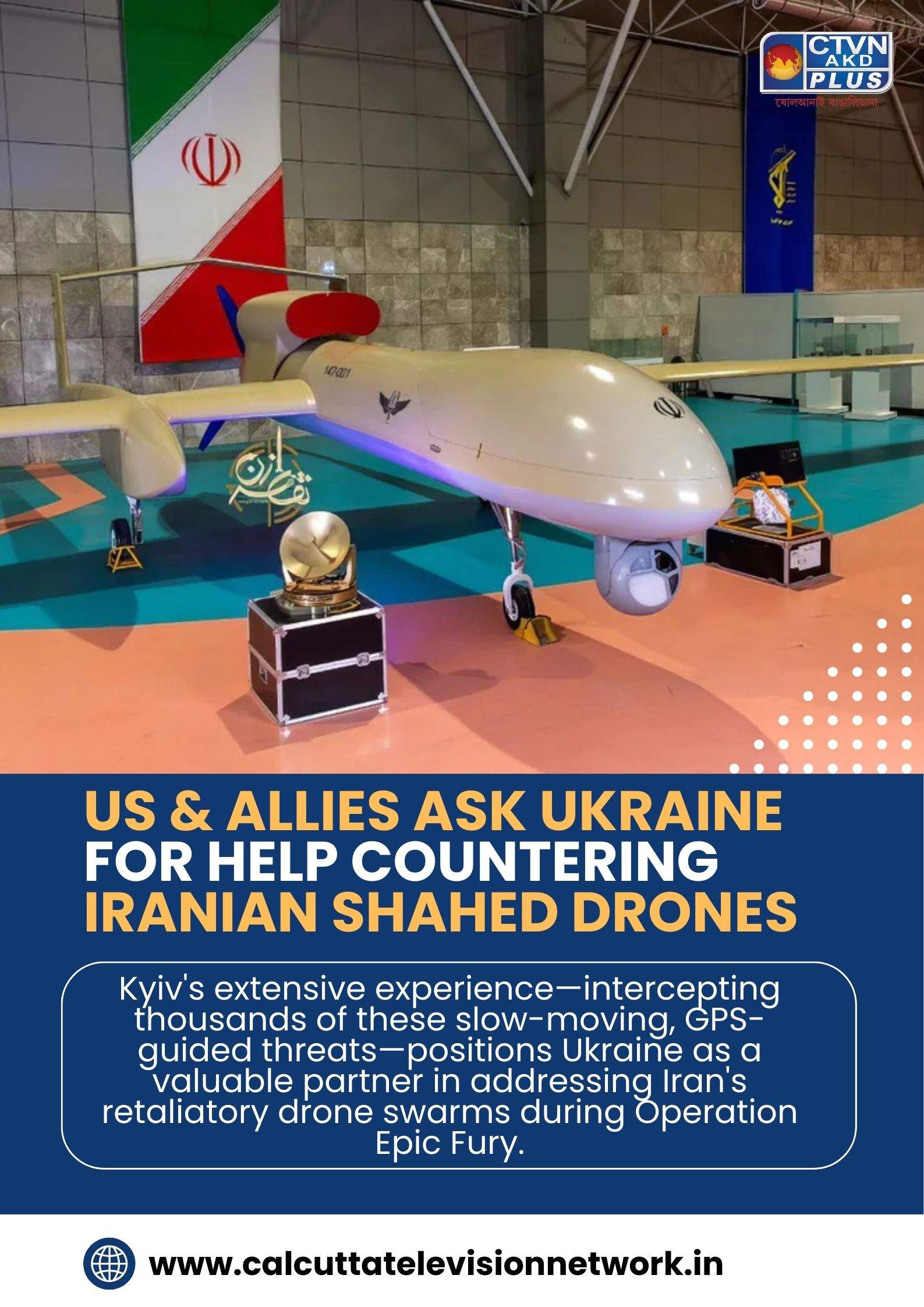
Yet, risks abound: a "wounded" Tehran might lash out via sleeper cells (prompting Trump's "I guess" on homeland attacks), cyber operations, or alliances with Russia/China. Diplomatic openings—like Tehran's thanks to Saudi neutrality or Ukraine's drone-defense offers—could facilitate de-escalation.
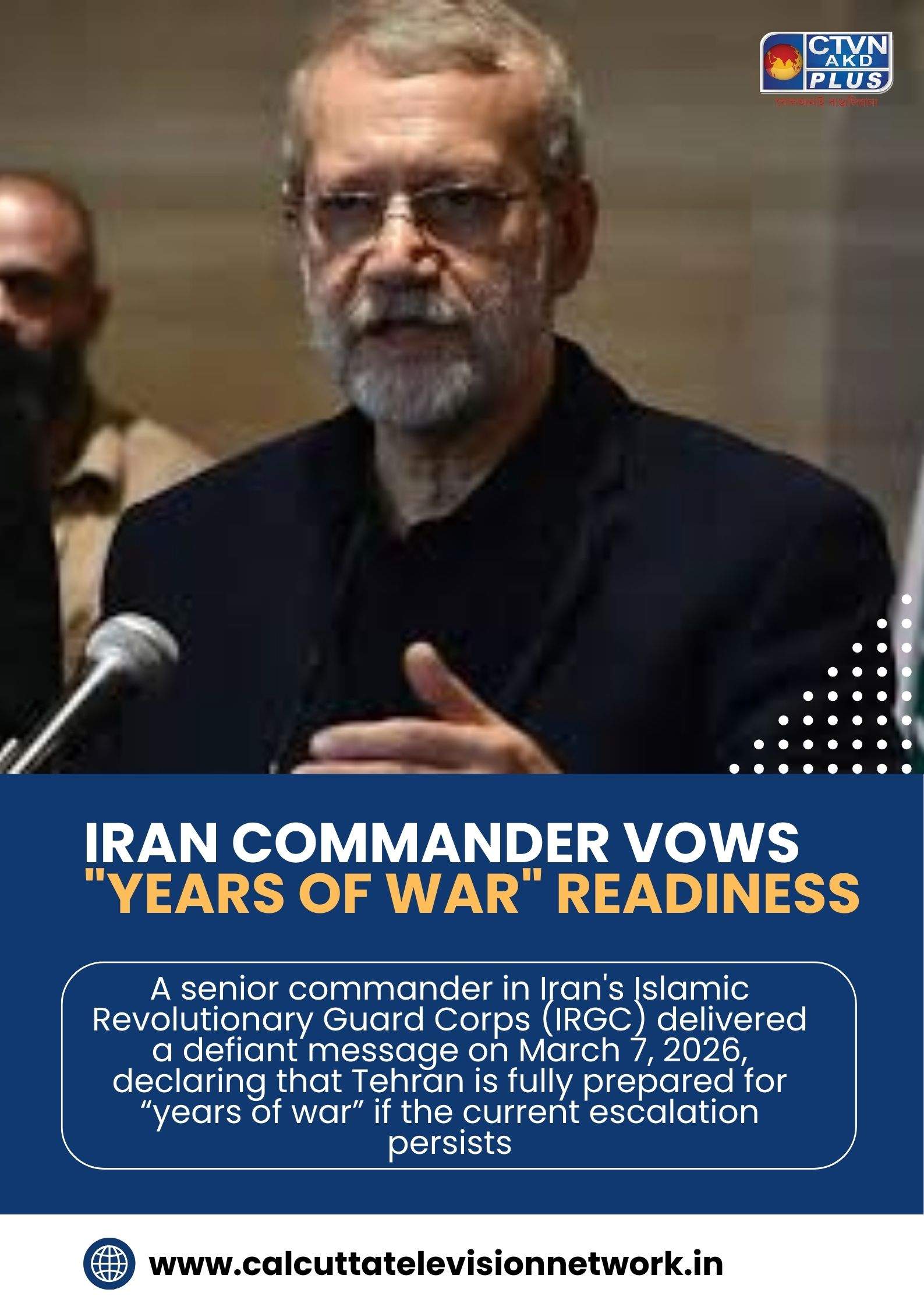
Trump's insistence on "virtually unlimited" supplies clashes with reality; experts like Vasquez urge strategic restraint. As Gulf attacks raise false-flag suspicions and India shelters Iranian crews, an early exit might safeguard U.S. interests, preventing exhaustion from eroding hard-won gains in a war that could drag on for years, per Iranian vows.