Dangerous move with grave consequences
Dangerous move with grave consequences
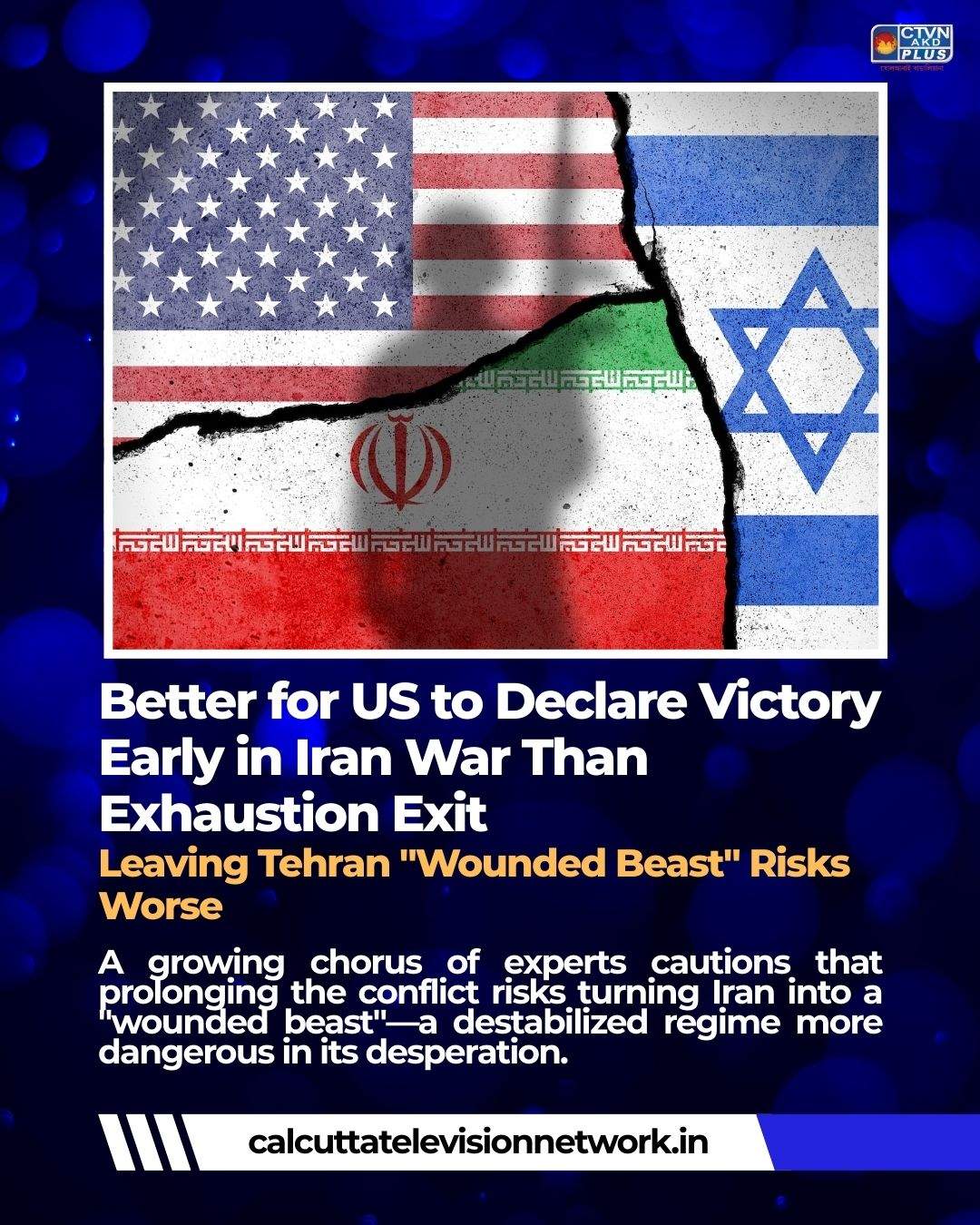
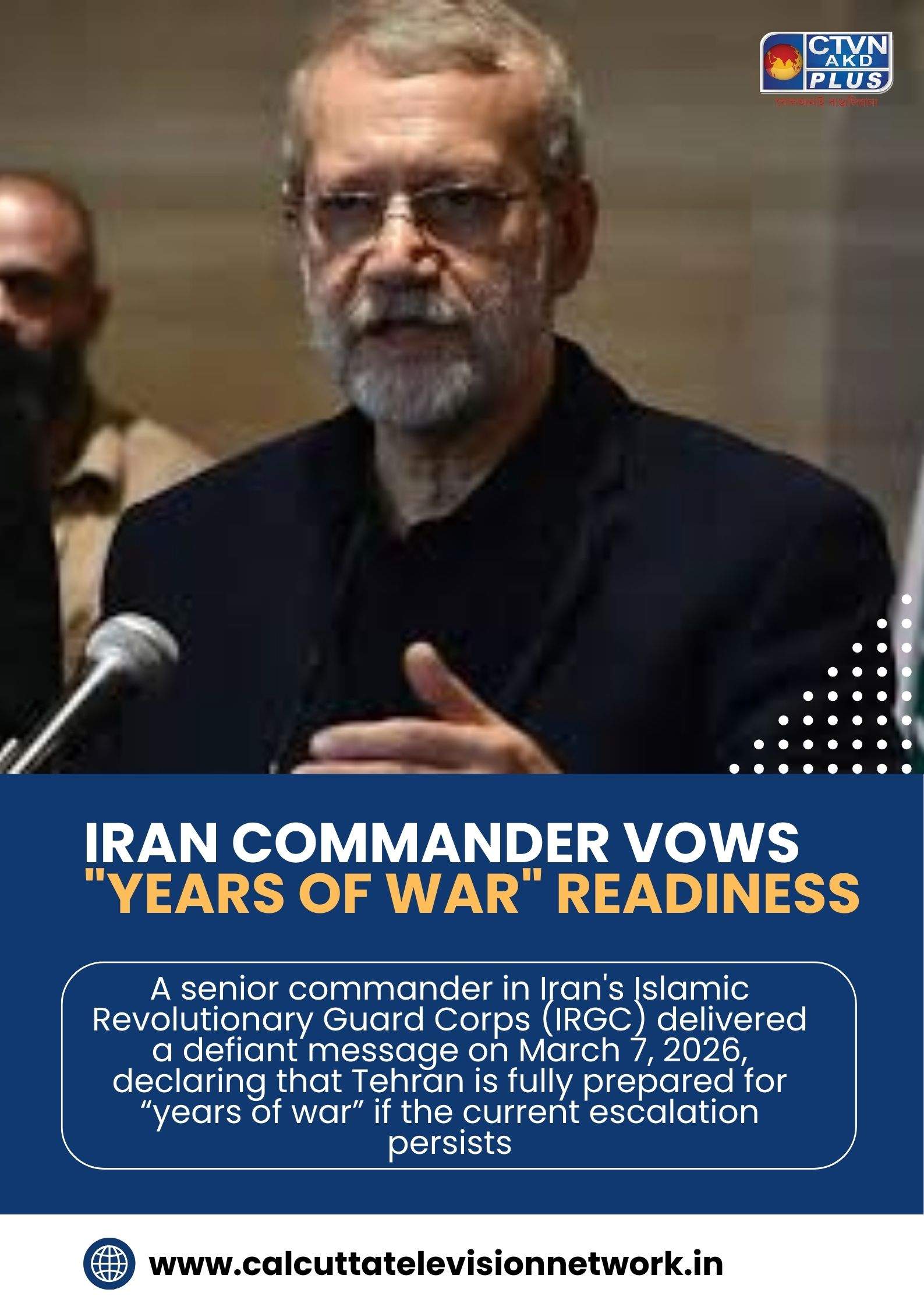
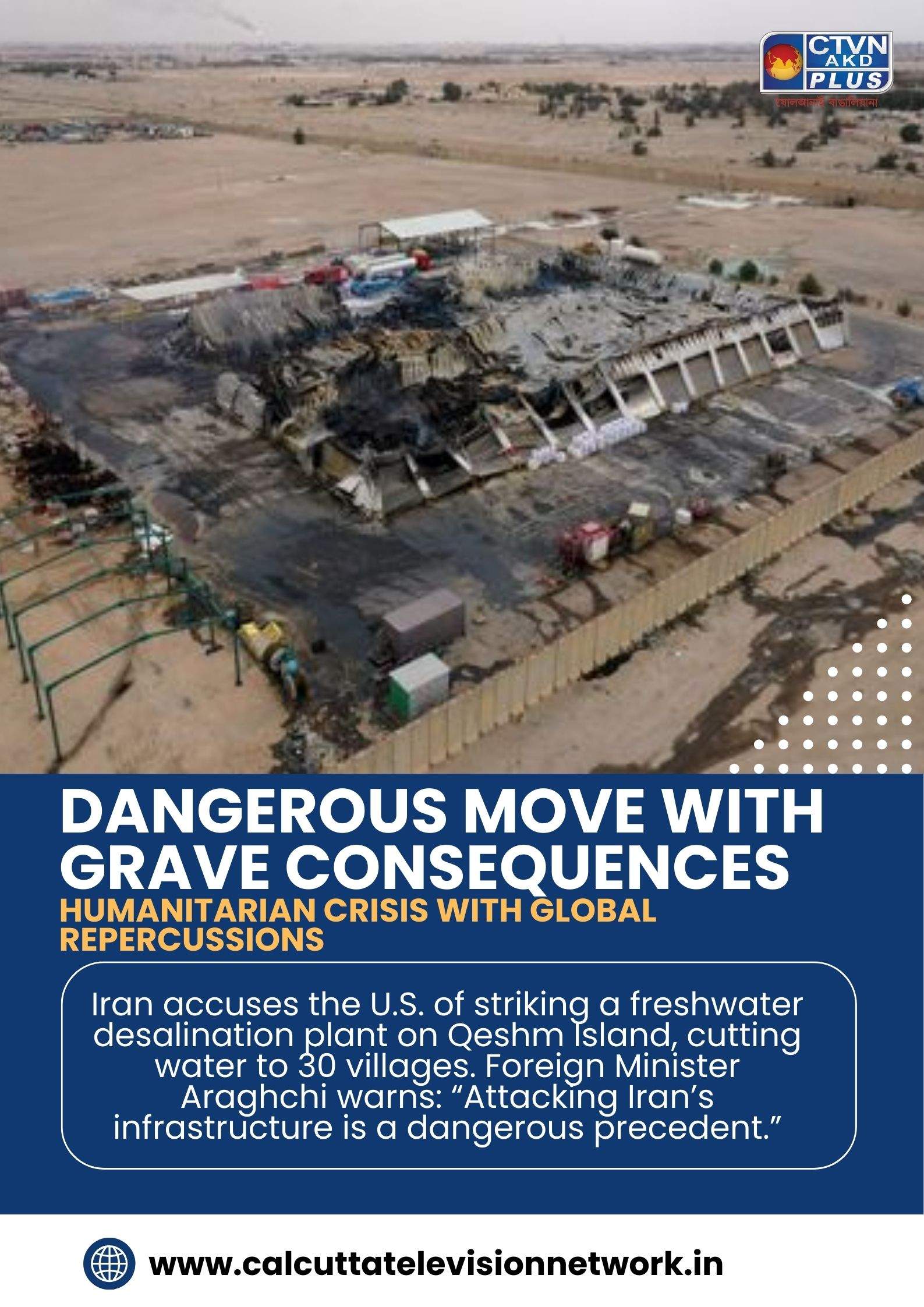
The escalating conflict between Iran and the United States has taken a disturbing turn with Tehran accusing Washington of deliberately targeting civilian infrastructure. On March 7, Iranian Foreign Minister Abbas Araghchi condemned what he described as a “blatant and desperate crime” after a U.S. strike allegedly hit a freshwater desalination plant on Qeshm Island. This facility supplied drinking water to nearly 30 villages, and its destruction has left thousands vulnerable. Araghchi warned that such actions set a dangerous precedent, one that could normalize attacks on essential civilian lifelines.
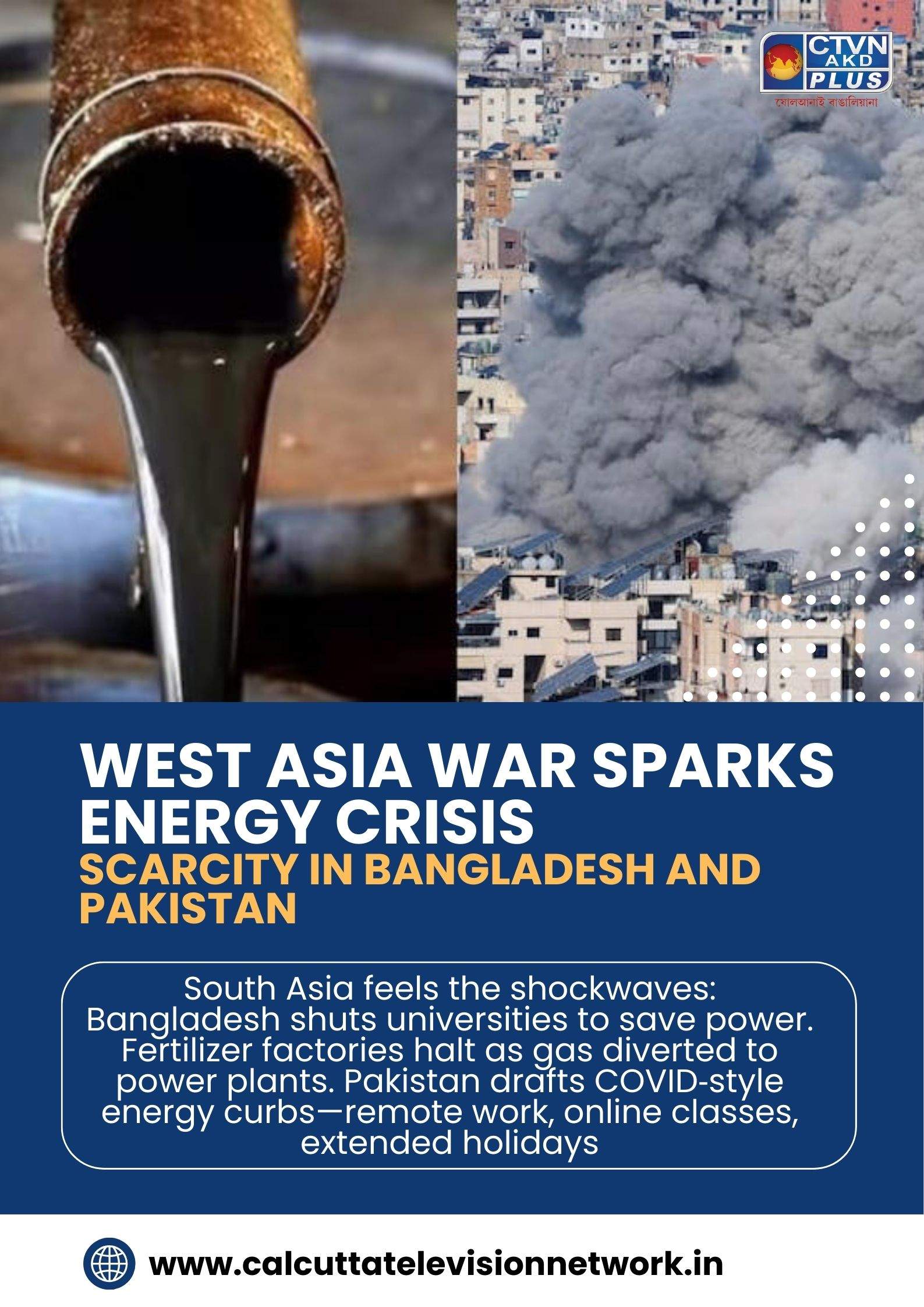
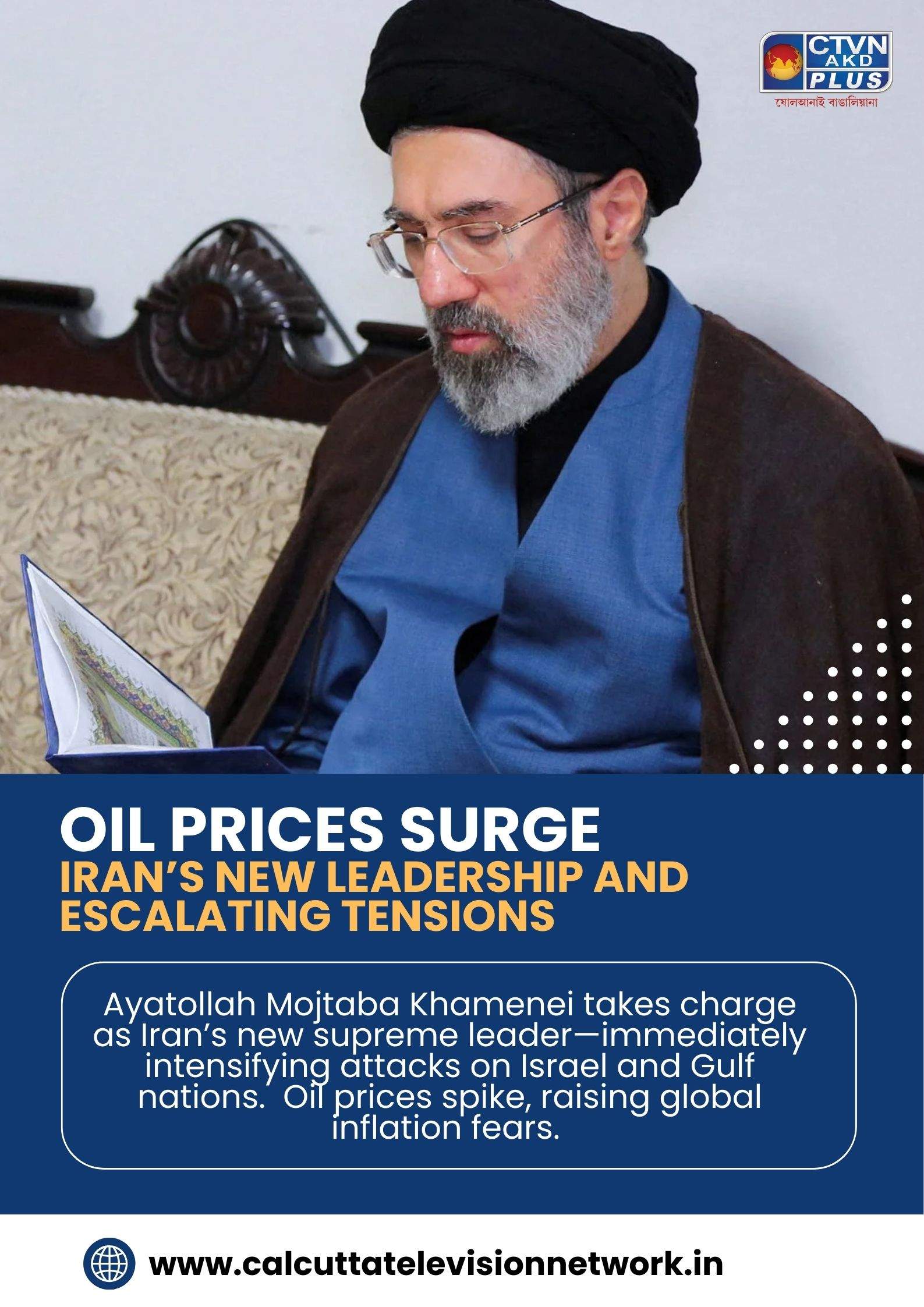
The strike comes amid a broader military campaign launched jointly by the U.S. and Israel on February 28, which claimed the life of Iran’s Supreme Leader Ayatollah Khamenei and left over 1,000 civilians dead. Iran has responded with waves of missile and drone attacks on American bases and Israeli targets across the Gulf, widening the battlefield to countries such as Bahrain, Kuwait, and Saudi Arabia.
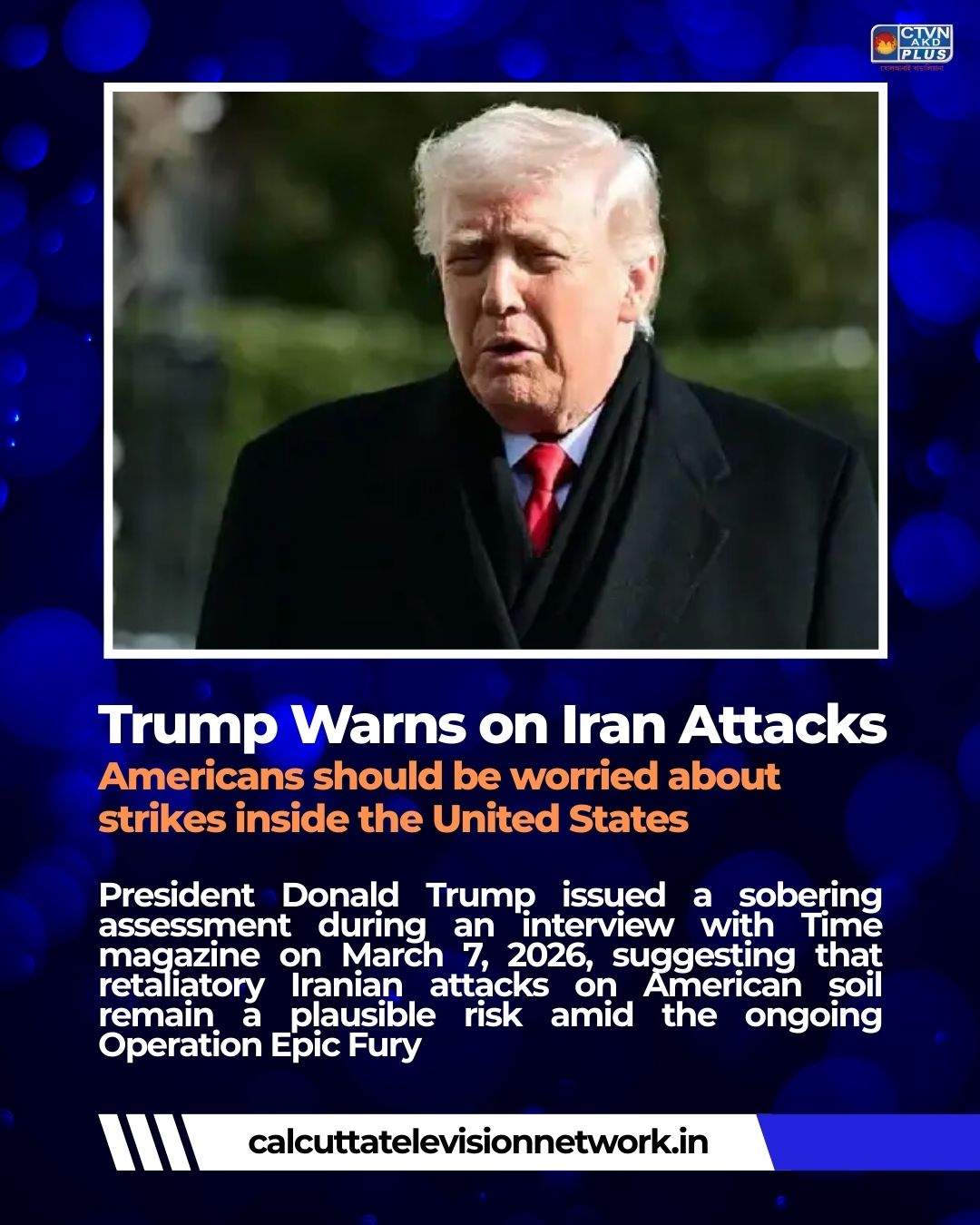
The humanitarian toll is mounting. Reports of a separate attack on a girls’ school, killing 165 students, have intensified outrage. Meanwhile, President Trump has defended U.S. operations, claiming Iran’s naval and air capabilities have been crippled. He hailed the campaign as proof of American military strength, asserting that “tremendous progress” has been achieved.
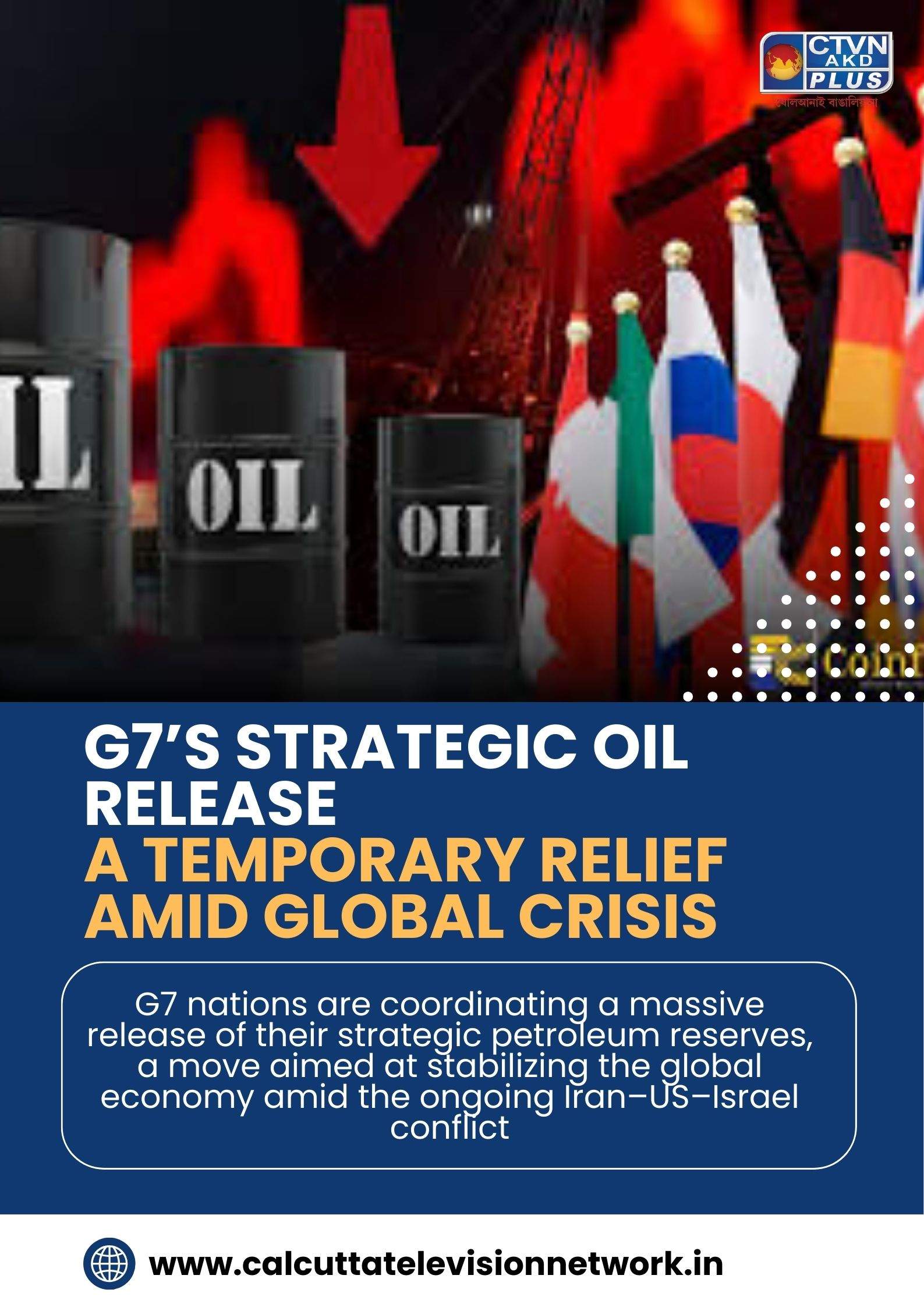
Yet the consequences for West Asia are dire. The targeting of water facilities, schools, and hospitals risks deepening civilian suffering and destabilizing the region’s fragile economies. Oil prices have already surged past $125 per barrel, threatening global markets. If unchecked, this conflict could reshape the geopolitical order of West Asia, entrenching hostility and undermining prospects for peace.