Iran Cripples Strait of Hormuz: Shipping Traffic Plummets as Attacks Force Global Energy Crisis
Iran Cripples Strait of Hormuz: Shipping Traffic Plummets as Attacks Force Global Energy Crisis 🇮🇷🚢⚓
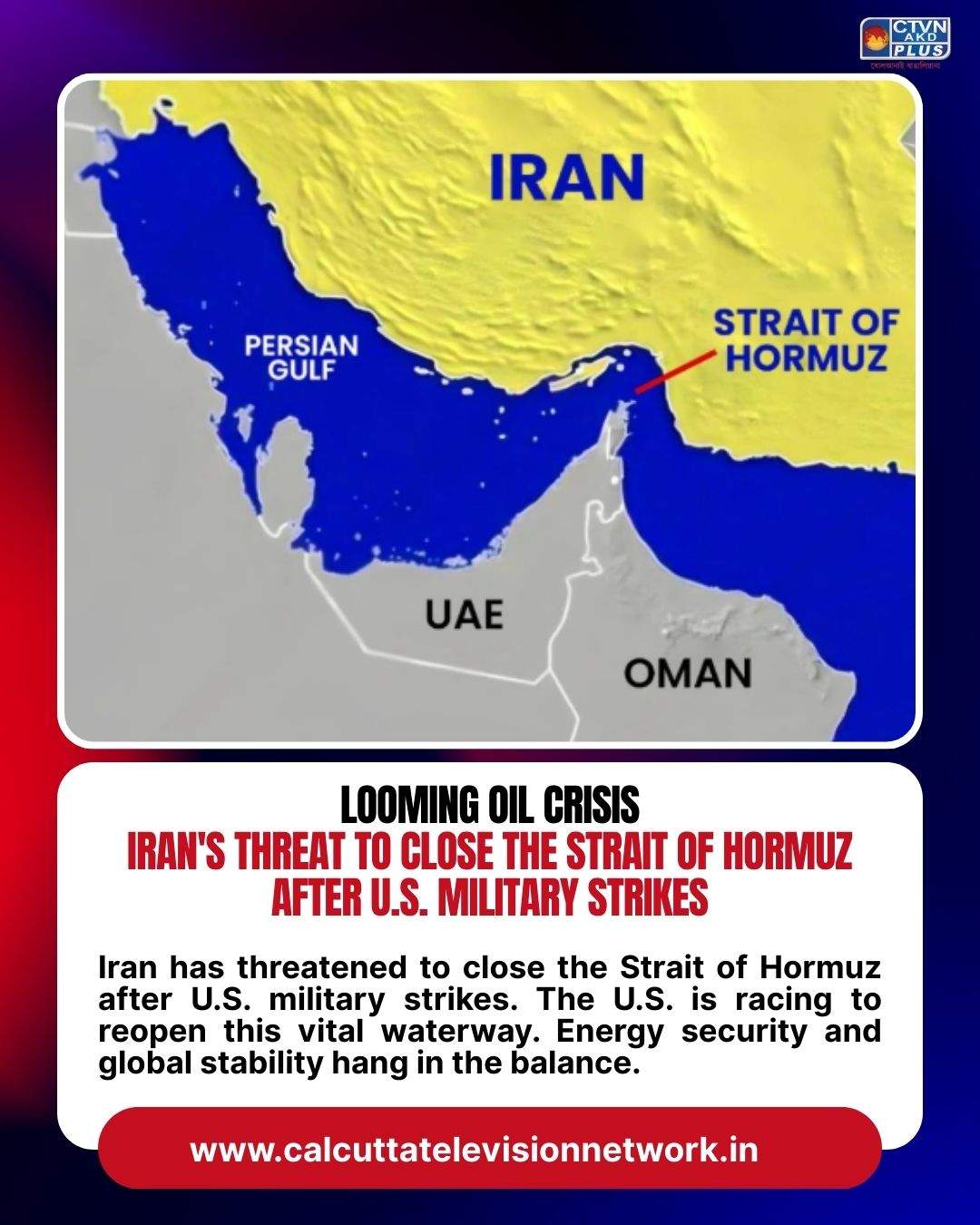
Iran has effectively crippled commercial traffic through the Strait of Hormuz, the narrow chokepoint carrying roughly 20% of the world’s daily oil supply and a significant share of liquefied natural gas. Since late February 2026, the Islamic Revolutionary Guard Corps (IRGC) has declared the strait closed and threatened to target any vessel attempting passage, backing the warning with repeated drone and missile strikes on merchant ships.
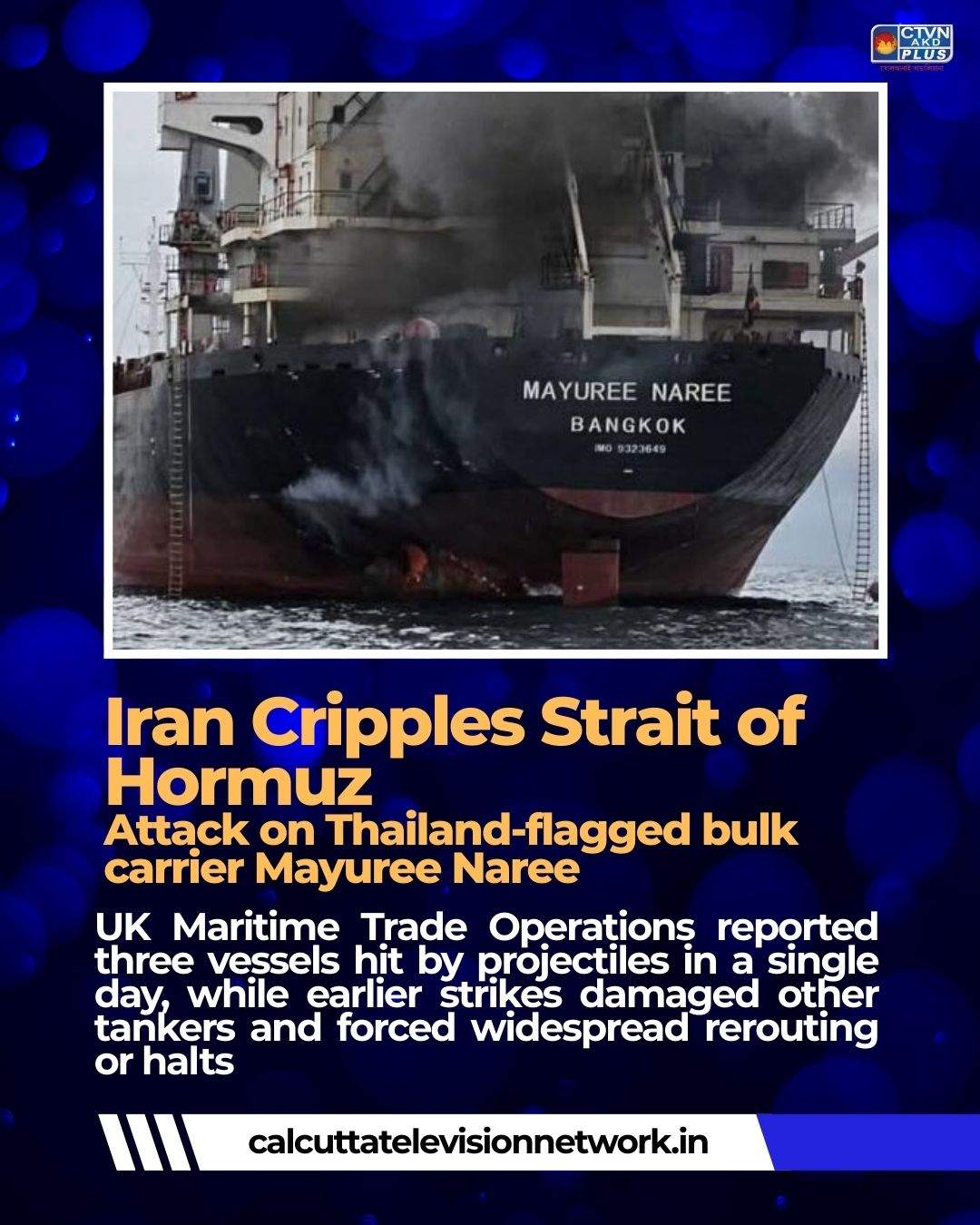
Recent incidents include the March 11 attack on the Thailand-flagged bulk carrier Mayuree Naree, which caught fire 11 nautical miles north of Oman, leaving three crew missing. UK Maritime Trade Operations reported three vessels hit by projectiles in a single day, while earlier strikes damaged other tankers and forced widespread rerouting or halts. Timelapse data from maritime trackers shows traffic volumes down 85–90% compared to pre-conflict levels, with many vessels anchoring outside the strait or diverting entirely.
The IRGC’s campaign—using low-cost drones, fast-attack boats, and sea mines—has deterred insurers from offering war-risk coverage and driven charter rates to historic highs. Oil prices remain volatile, Brent crude swinging sharply amid fears of prolonged disruption. As U.S. and Israeli forces continue strikes under Operation Epic Fury, Iran’s asymmetric blockade has turned the strait into a high-risk war zone, inflicting severe economic pressure on global energy markets and testing the limits of maritime security in one of the world’s most vital waterways.