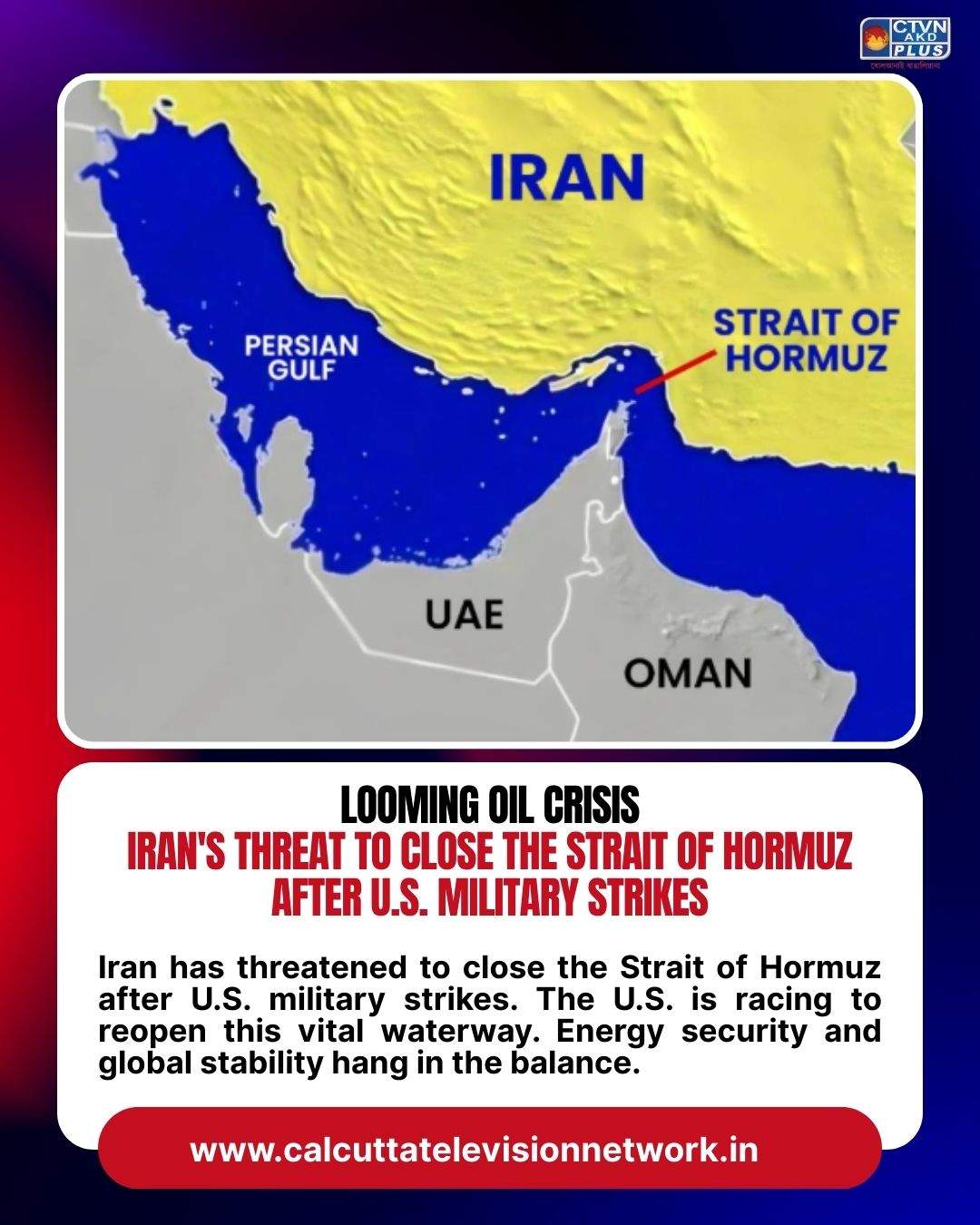
Iran's threat to close the Strait of Hormuz after U.S. military strikes and Looming Oil Crisis.
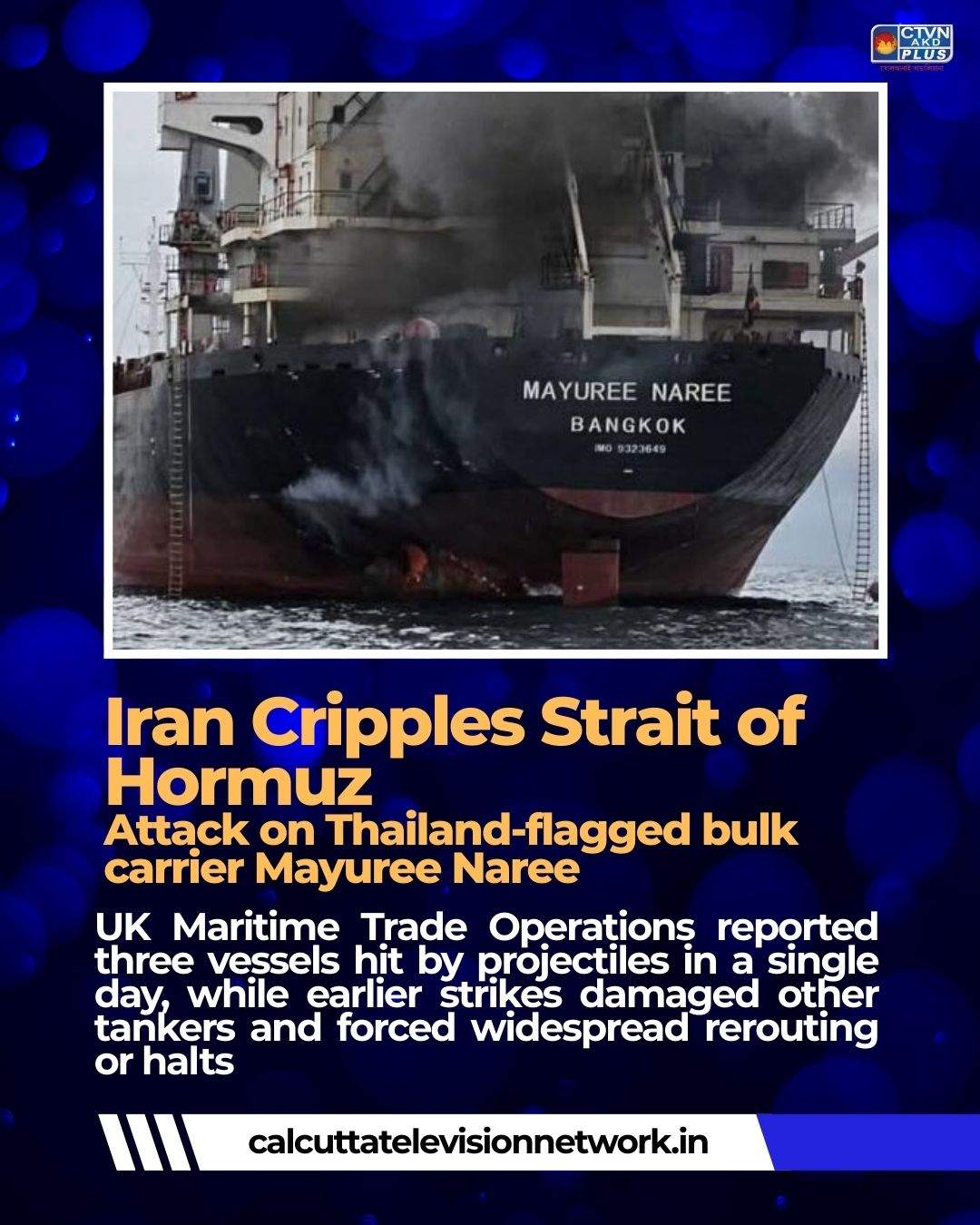
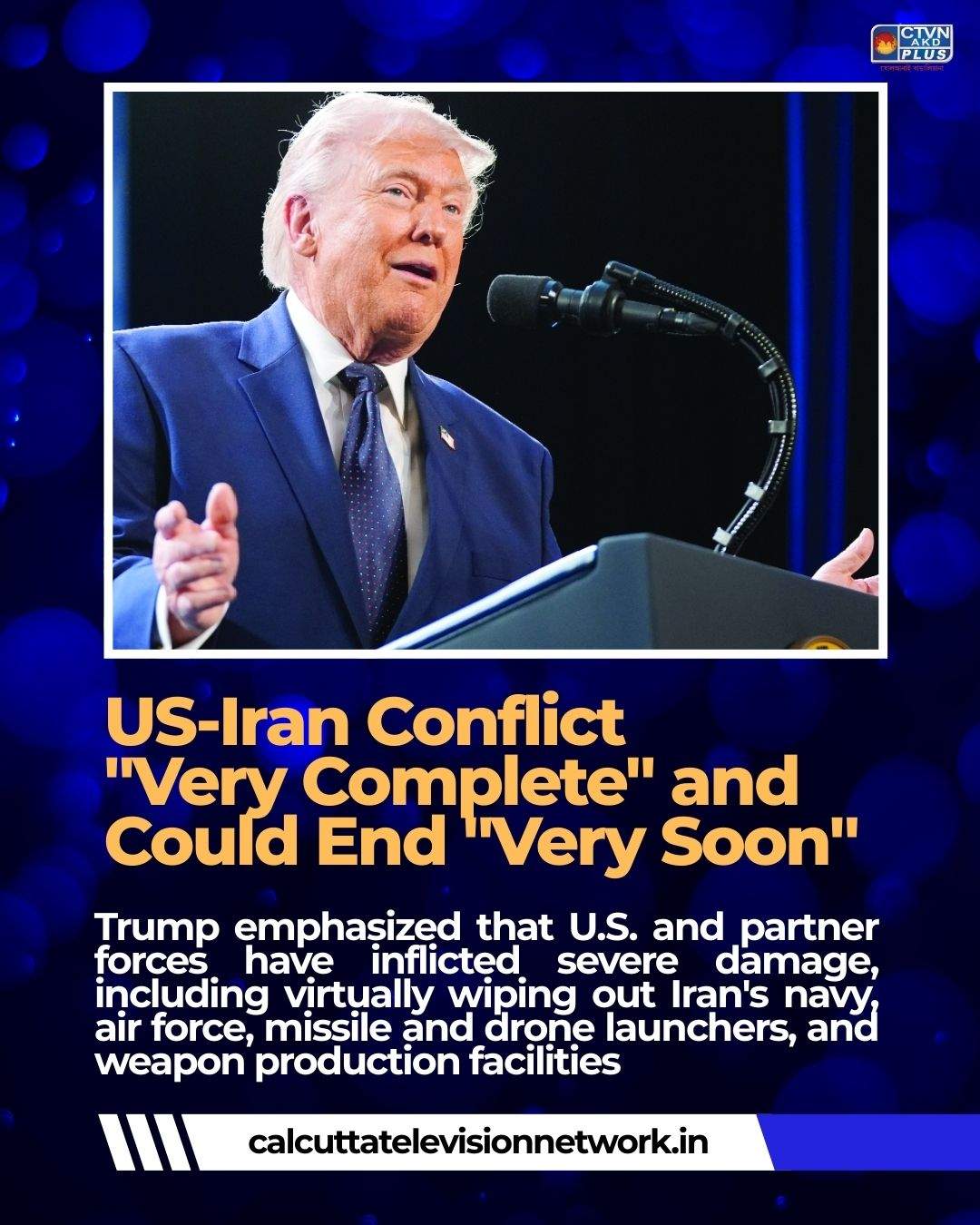
The recent escalation between the United States and Iran has triggered a severe geopolitical and economic crisis. Following military strikes ordered by the Trump administration, Iran responded with threats to close the Strait of Hormuz, one of the world’s most critical oil shipping routes. This chokepoint handles nearly a fifth of global oil trade, and its closure immediately halted commercial shipping.
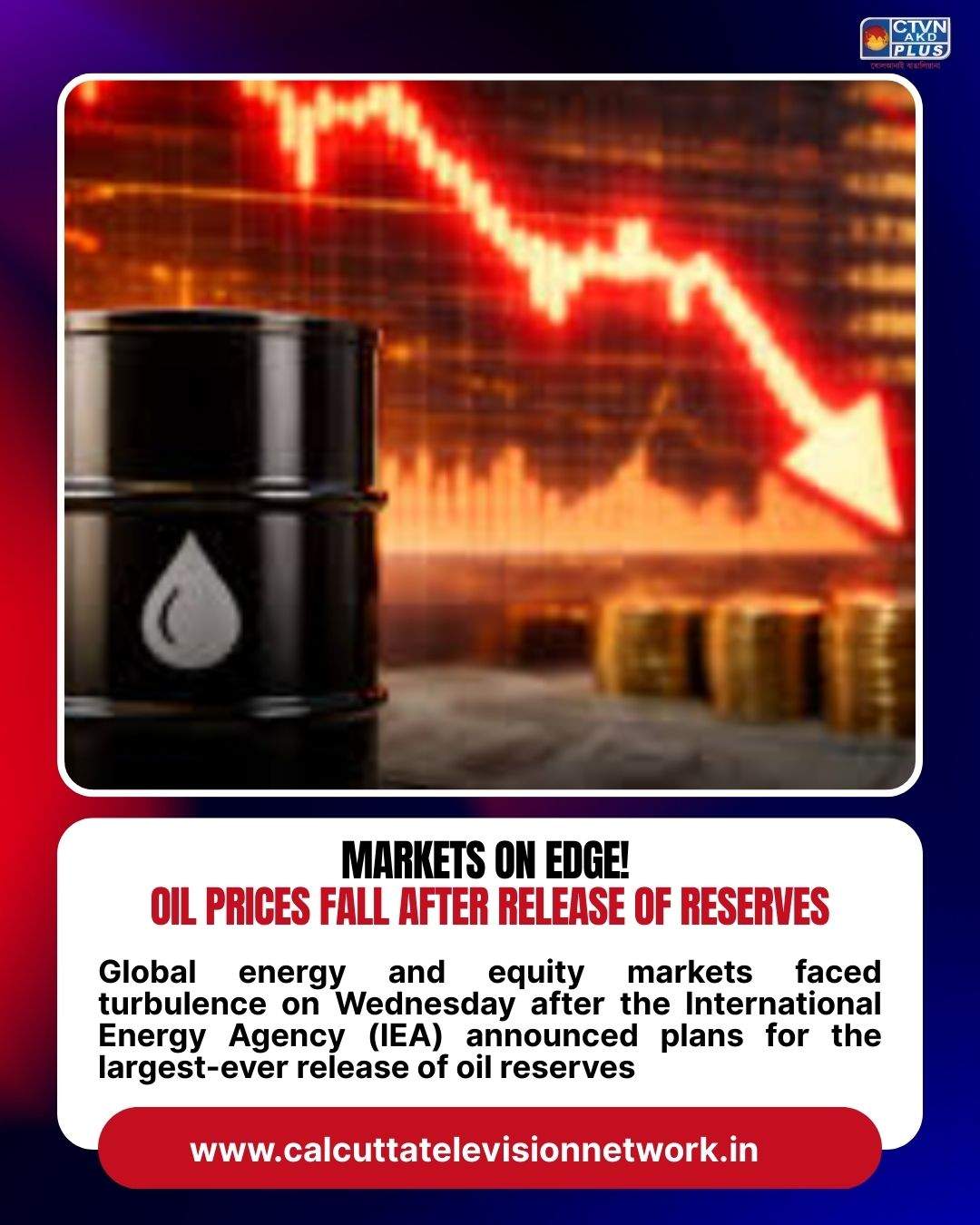
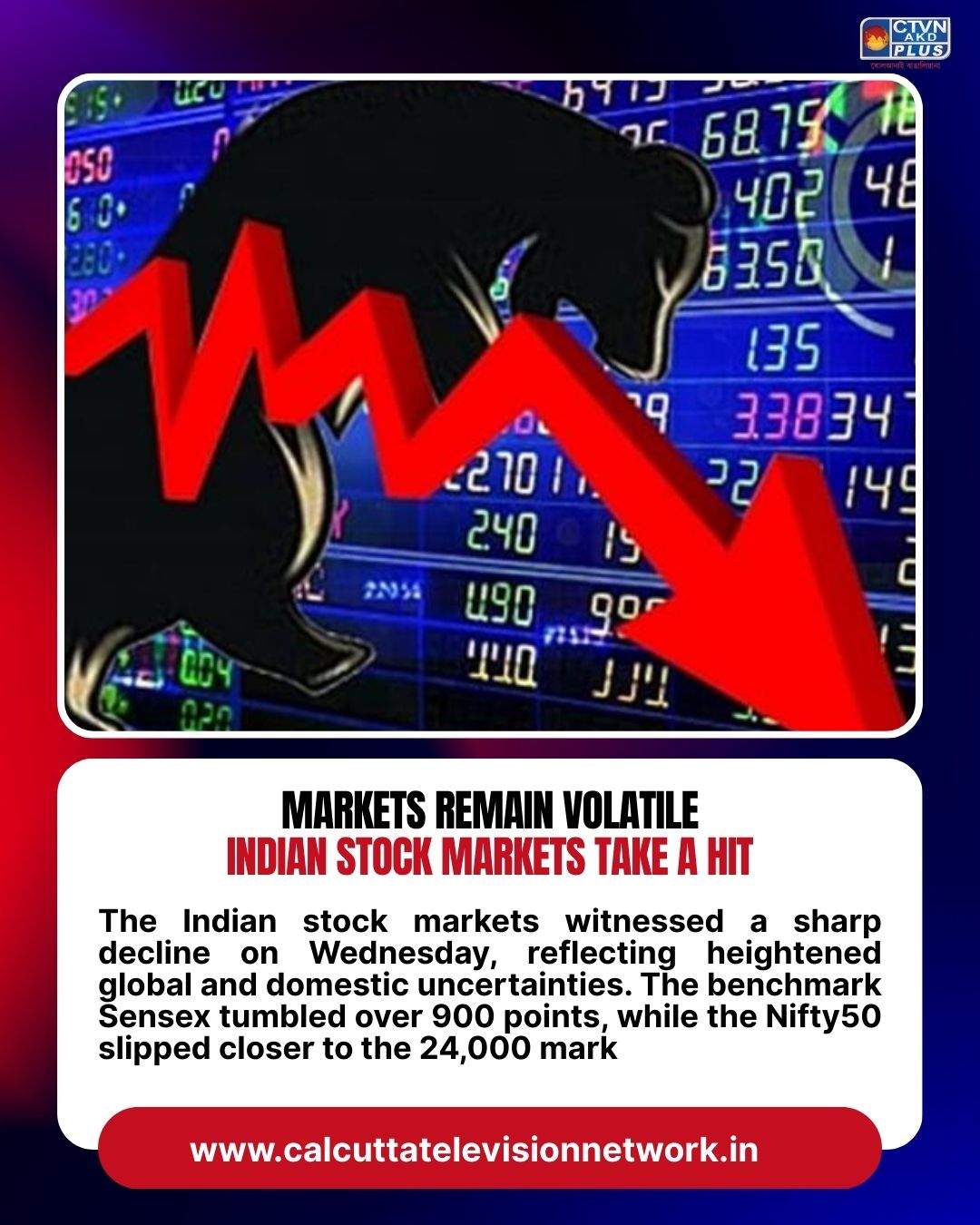
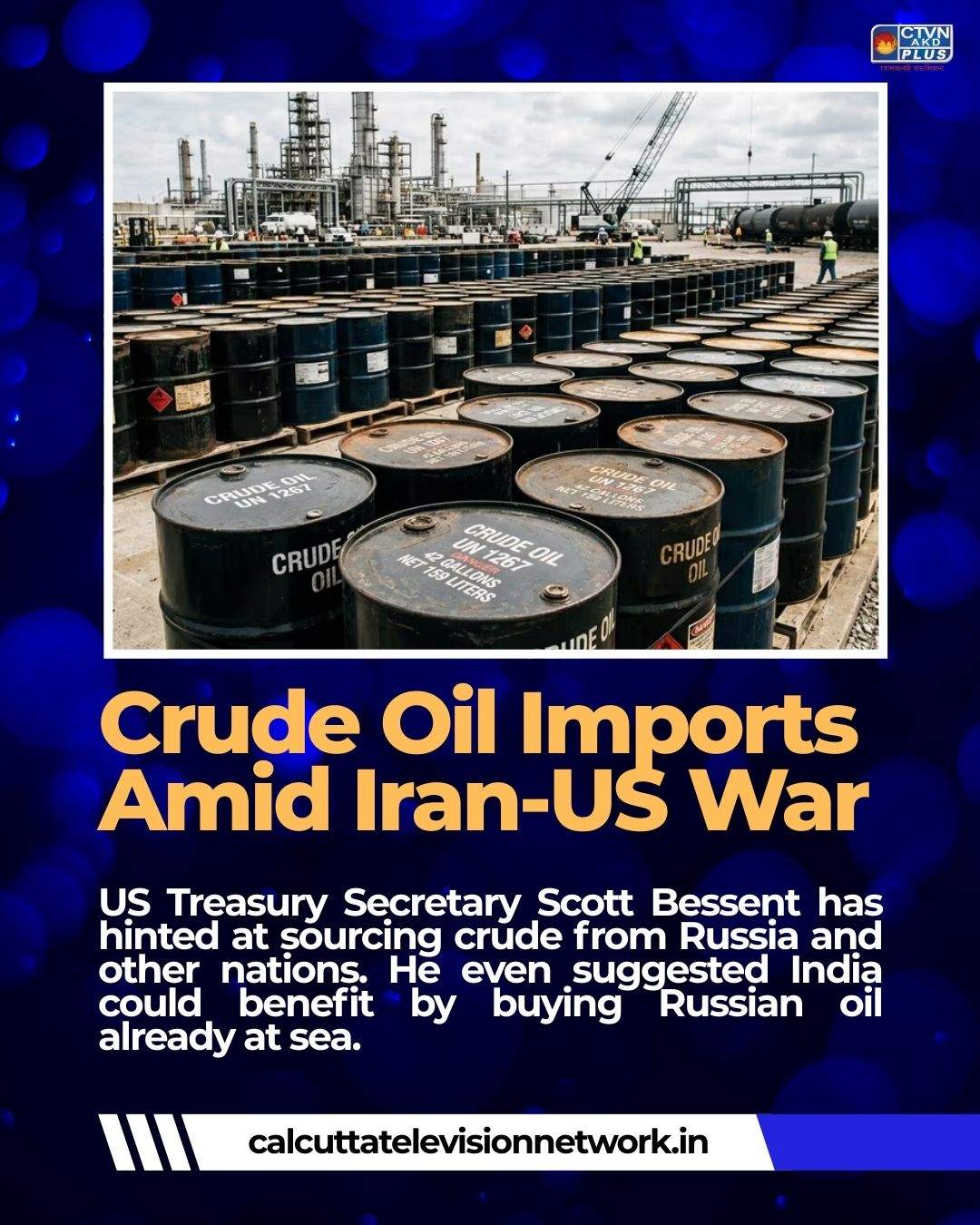
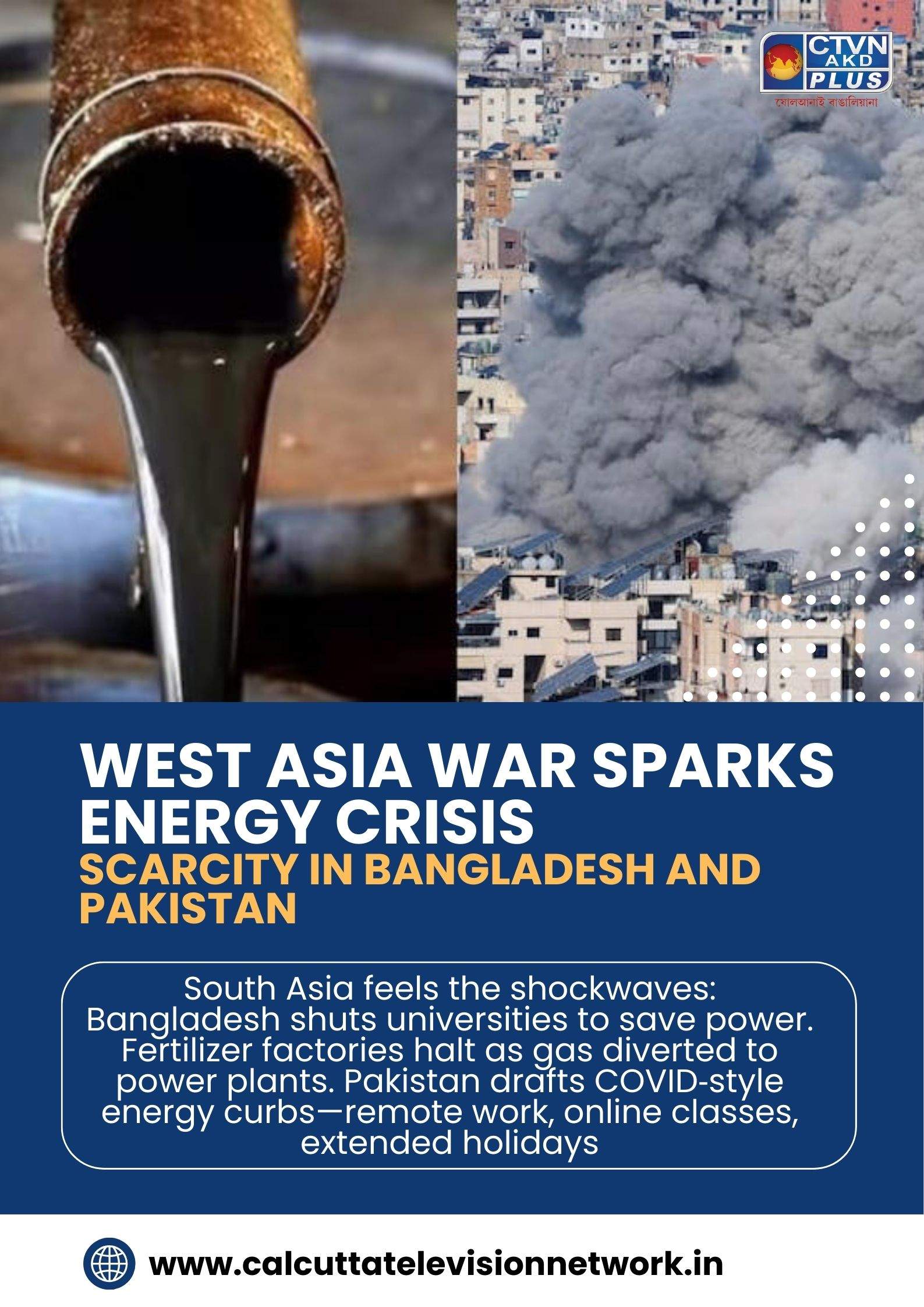
The impact was swift and dramatic. Oil prices surged as markets reacted to the sudden disruption in supply, sending shockwaves through global energy markets. For American consumers, the consequences were immediate: gasoline costs spiked, adding pressure to households already grappling with inflationary trends. The ripple effects extended beyond energy, with equity markets turning volatile as investors reassessed risks tied to Middle Eastern instability.
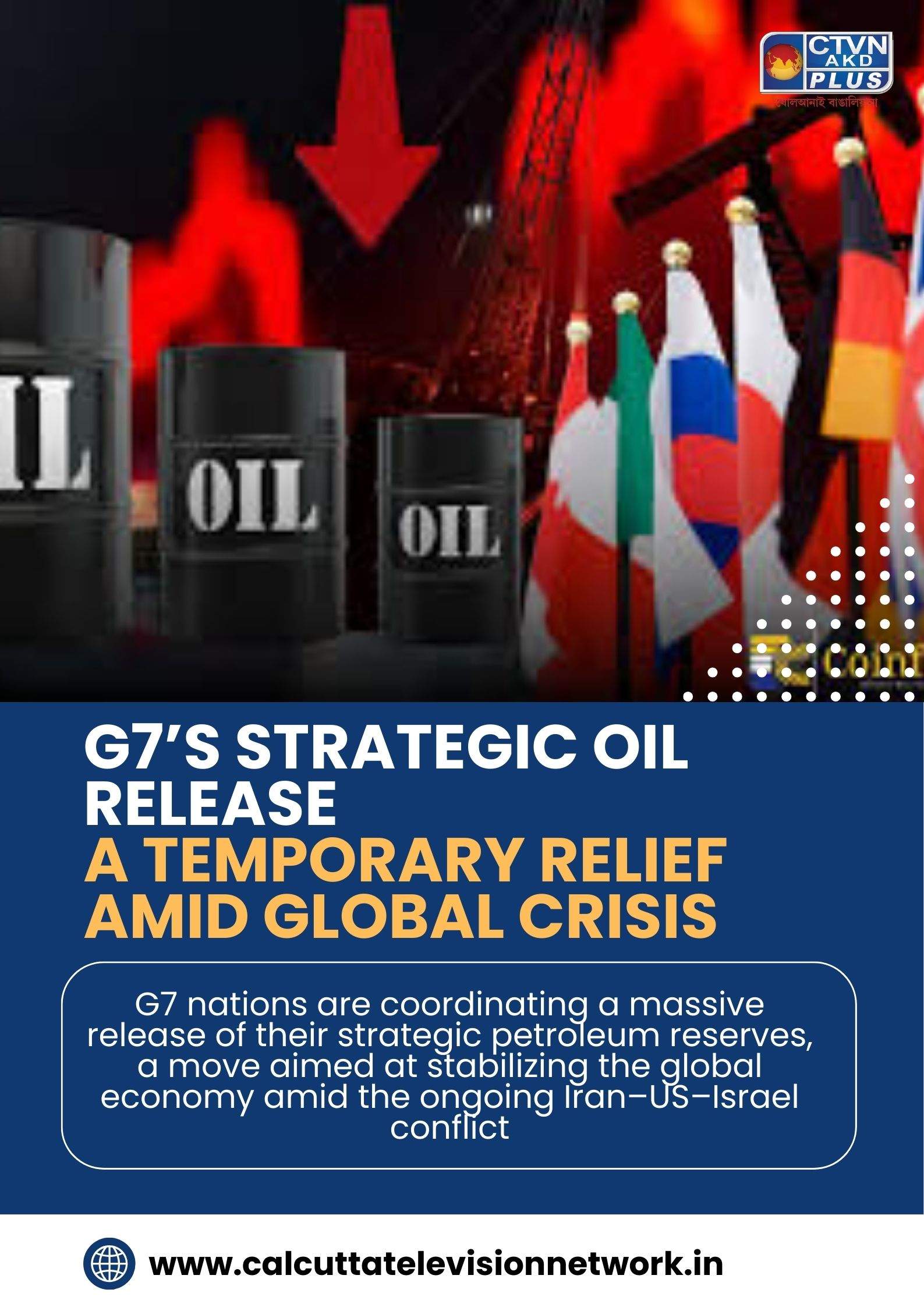
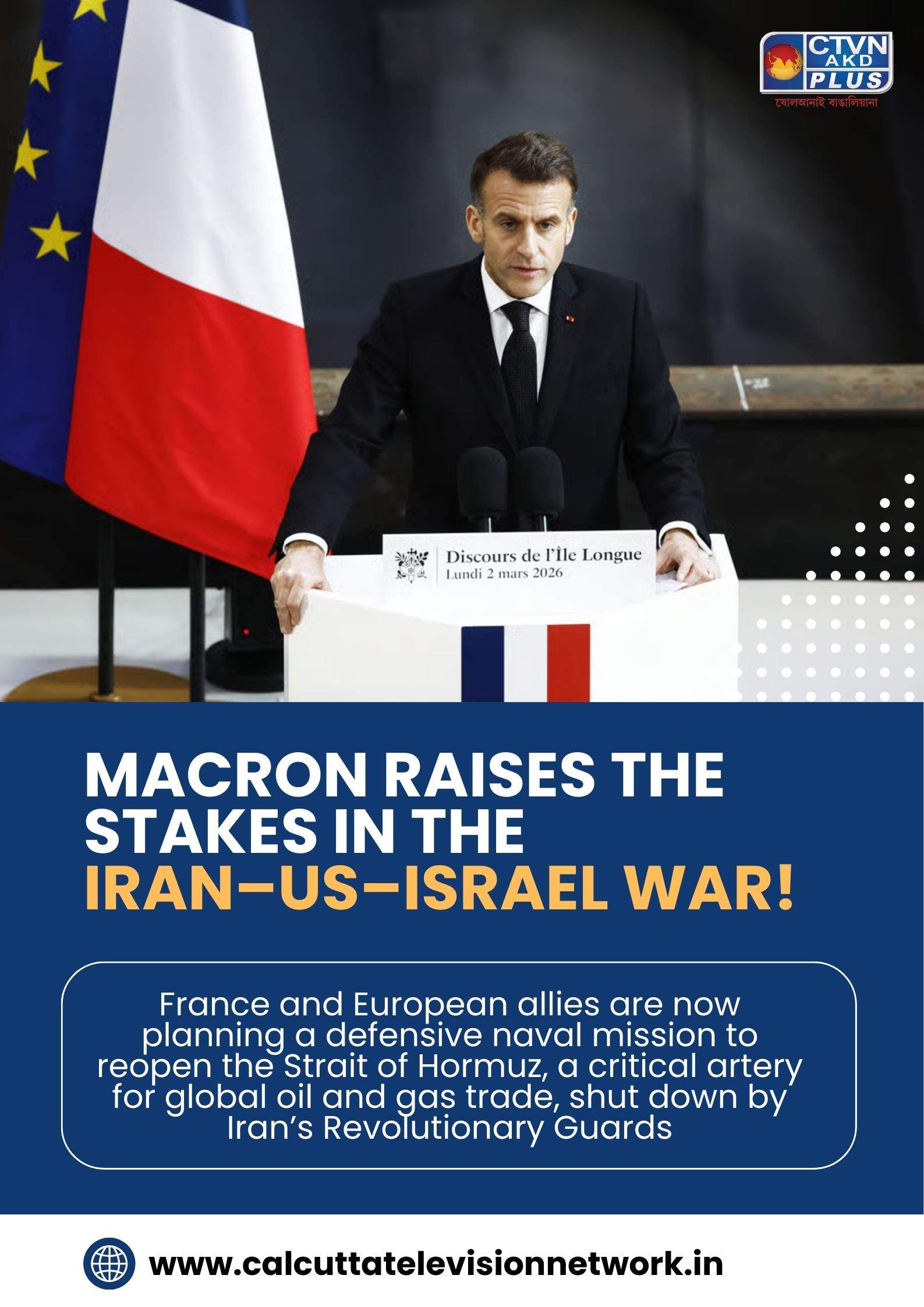
The U.S. government now finds itself scrambling to manage the fallout. Efforts are underway to reopen the Strait of Hormuz, but the task is fraught with diplomatic and military challenges. Securing the waterway requires balancing deterrence with negotiation, as further escalation could deepen the crisis. Meanwhile, policymakers are exploring measures to cushion the domestic economy, including tapping into strategic reserves and coordinating with allies to stabilize supply chains.
This episode underscores the fragility of global energy security and the far-reaching consequences of geopolitical miscalculations. The Strait of Hormuz has long been recognized as a strategic vulnerability, and Iran’s threat highlights how quickly regional tensions can translate into global economic shocks.
In conclusion, the administration’s underestimation of Iran’s response has created a cascading crisis—disrupting trade, inflating energy costs, and unsettling financial markets. The coming weeks will test Washington’s ability to restore stability, both at home and abroad, while navigating one of the most dangerous flashpoints in international geopolitics.