When Good News Turns Sour for Investors — Lessons from June 5 Market Fall
Financial markets often behave paradoxically: what appears to be good economic news can sometimes trigger a negative reaction. Yesterday’s sharp decline in Indian equities illustrates this dynamic vividly.
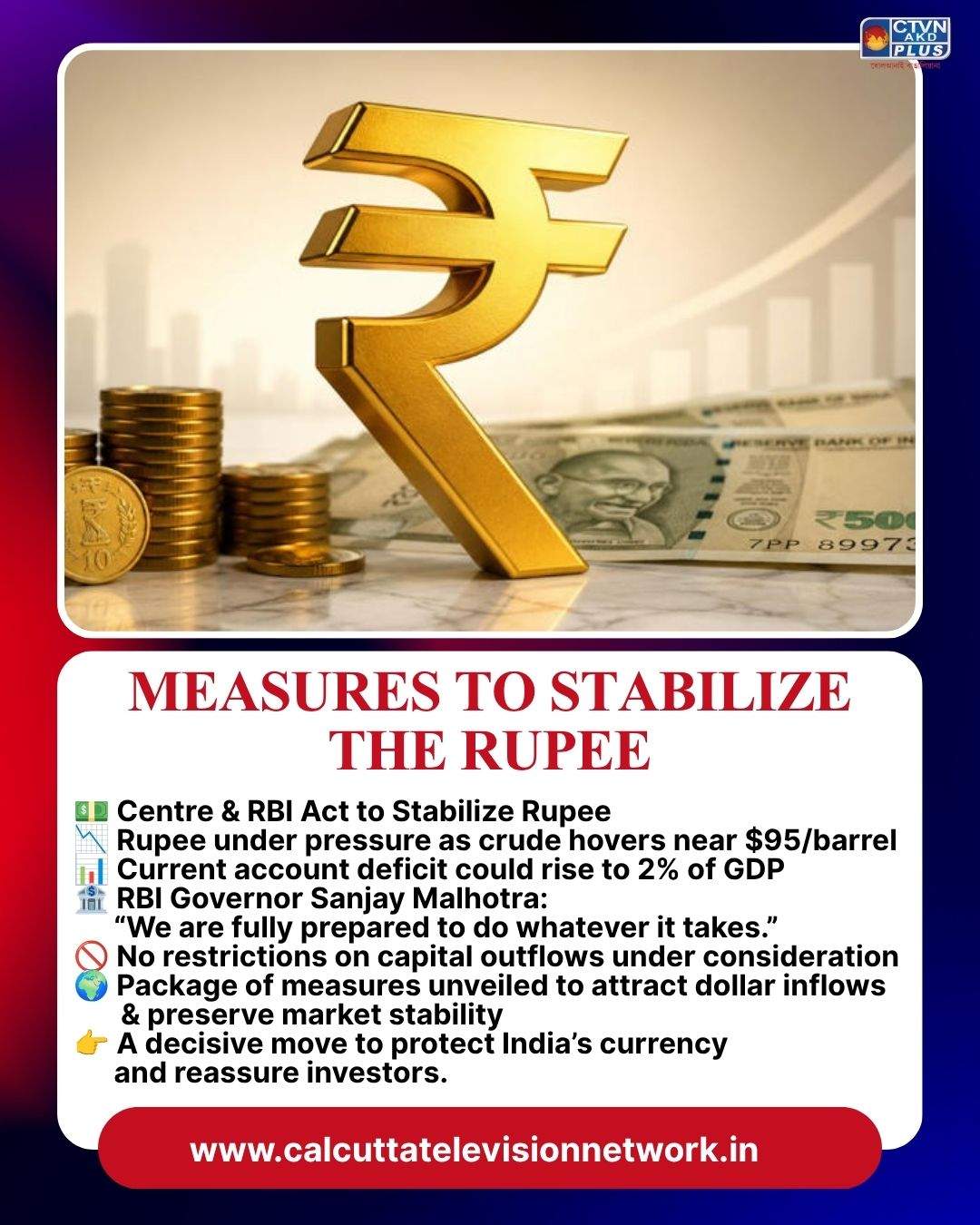
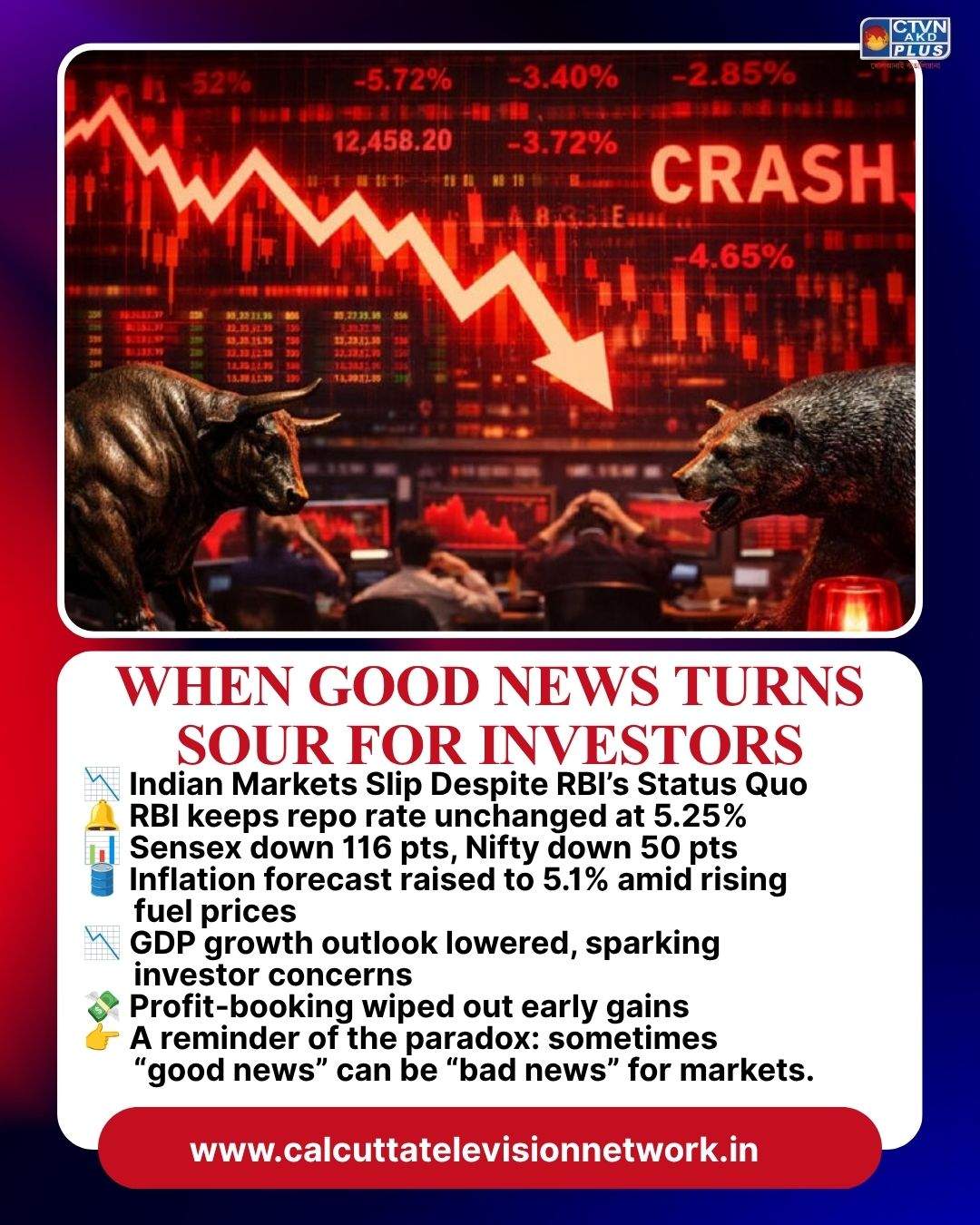
The Reserve Bank of India (RBI) announced on June 5 that it would keep the repo rate unchanged at 5.25%, a decision widely expected by analysts. On the surface, this was reassuring — stability in borrowing costs should support growth. The RBI also unveiled measures to attract foreign capital, another seemingly positive step. Yet, markets reacted with caution and eventually slipped into the red.
The Sensex fell 116 points and the Nifty lost nearly 50 points, erasing early gains of over 300 points. Why? Investors interpreted the RBI’s accompanying statements as a warning. The central bank raised its inflation forecast from 4.6% to 5.1%, citing rising global energy prices and domestic fuel hikes. Petrol and diesel prices have already risen by more than 7% and 8% respectively since May. Inflationary pressures mean the RBI may be forced into future rate hikes, which could hurt corporate earnings and liquidity.
Additionally, the RBI lowered India’s GDP growth forecast, dampening optimism about near‑term expansion. This combination of higher inflation expectations and slower growth created a “stagflation scare,” prompting investors to book profits.
This episode highlights the paradox: good news (stable rates, capital inflows) was overshadowed by the implications of inflation and slower growth. In financial markets, perception matters as much as reality. Investors often react not to the present, but to what today’s news signals about tomorrow.
#StockMarket #Sensex #Nifty #RBIMonetaryPolicy #Inflation #GDPForecast