Trump’s “Calm Before the Storm” Message and the Shadow of a New Middle East Crisis
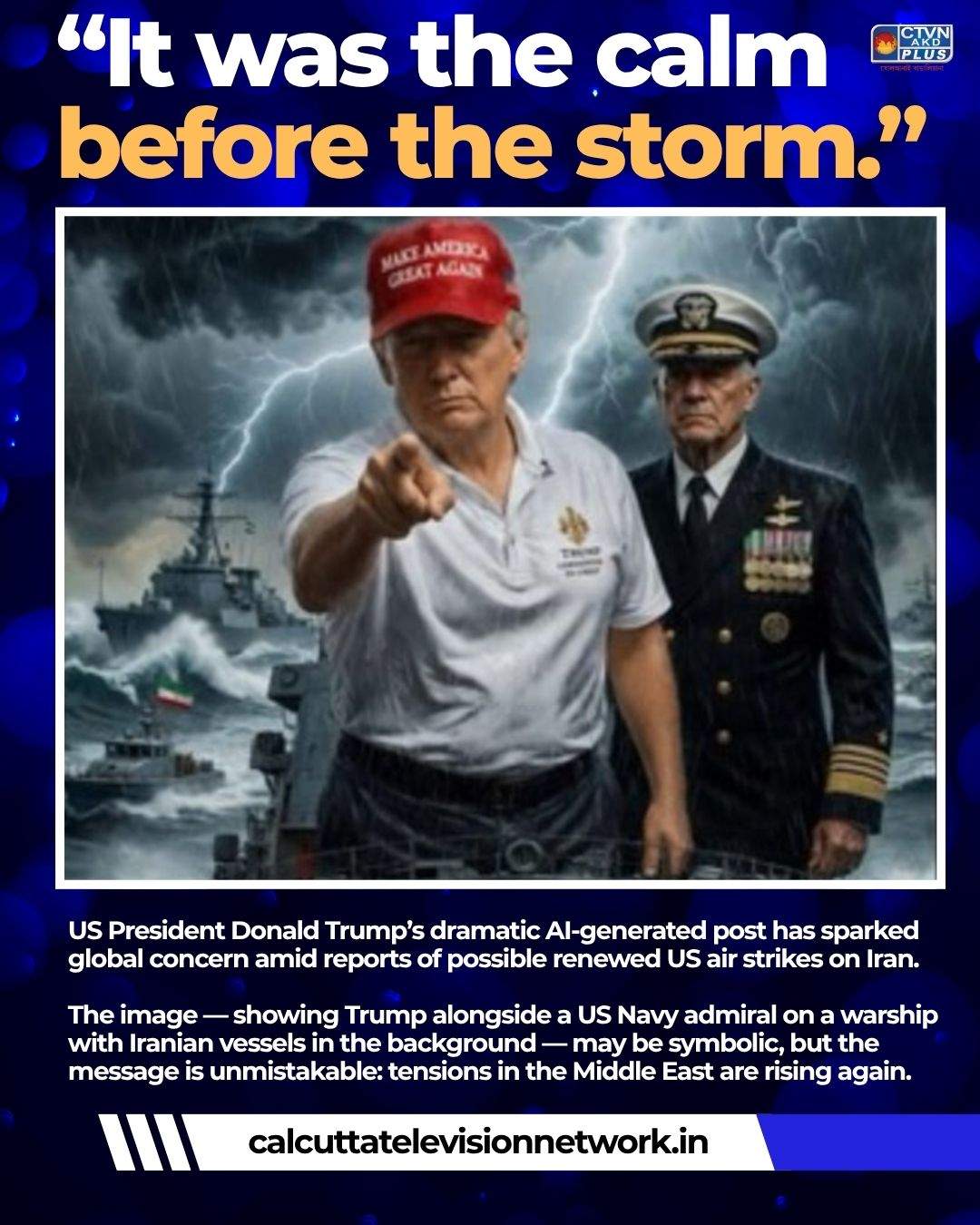
The Middle East once again finds itself at the center of global anxiety after US President Donald Trump posted a dramatic AI-generated image accompanied by the chilling phrase: “It was the calm before the storm.” The timing of the post, amid reports that the United States may be considering renewed air strikes on Iran, has triggered intense international speculation and concern.
The image itself carried powerful symbolism. Trump was shown wearing his signature MAGA cap alongside a US Navy admiral on a warship surrounded by rough seas and lightning, while Iranian vessels appeared in the background. Even though the image was digitally created, its political message was unmistakable. In modern geopolitics, symbolism matters almost as much as military action. A single image can shape public opinion, influence diplomacy, and send signals to allies and adversaries alike.
The phrase “calm before the storm” is particularly significant because it suggests that major developments may be approaching. Trump has previously used dramatic rhetoric during periods of geopolitical tension, especially regarding Iran. His presidency was marked by the withdrawal of the United States from the Iran nuclear deal, the imposition of severe sanctions, and the assassination of Iranian General Qasem Soleimani in 2020 — events that pushed the region dangerously close to open conflict.
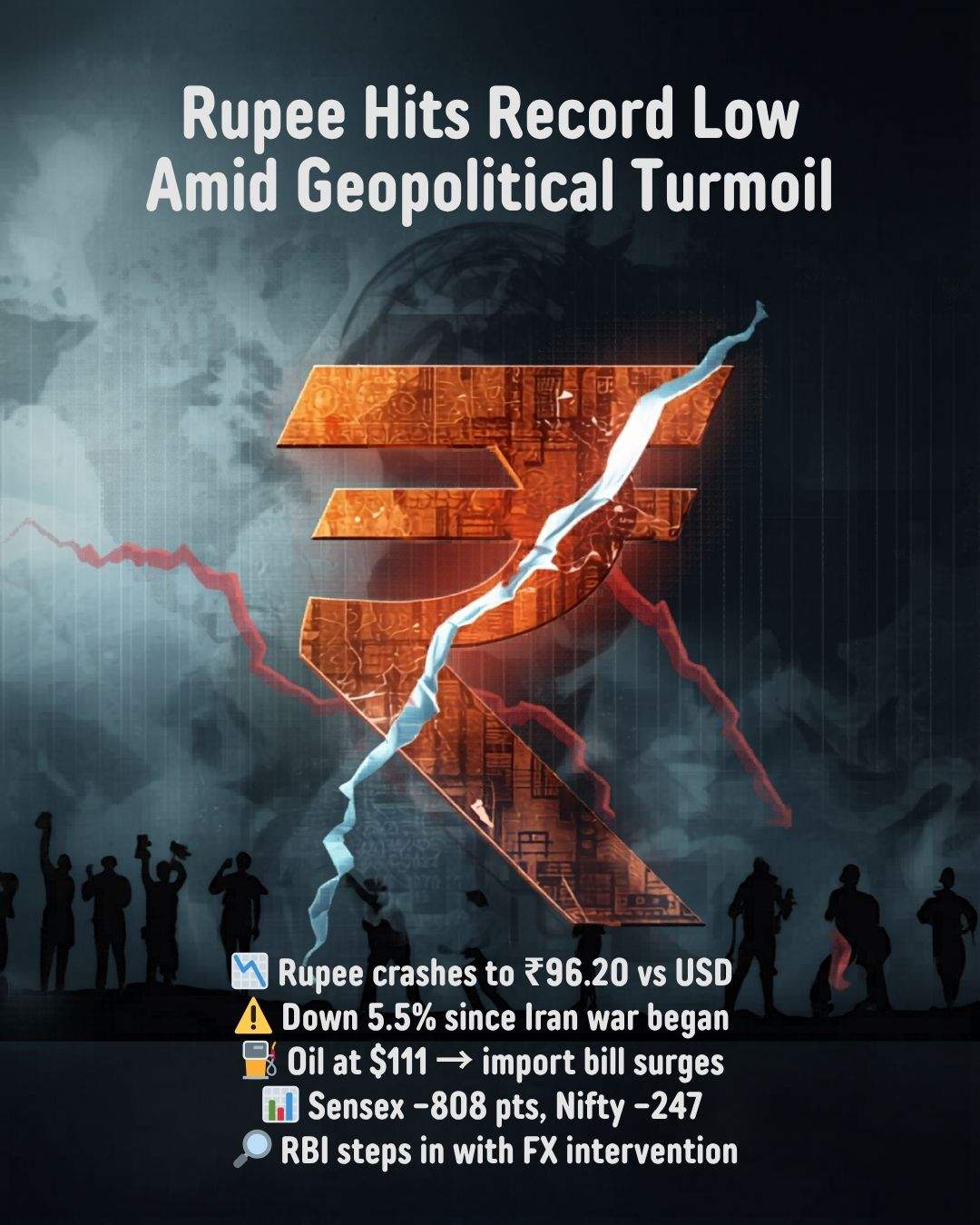
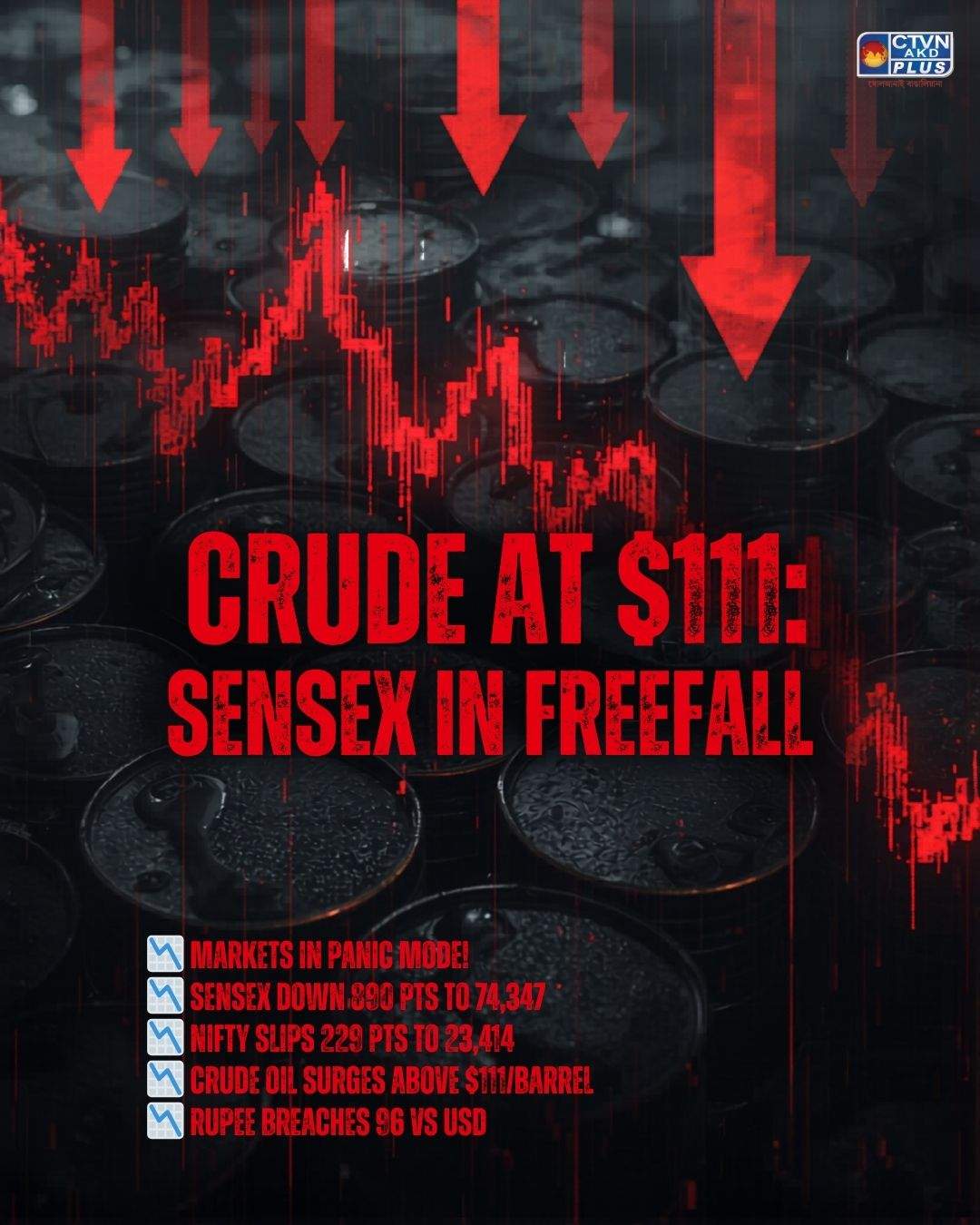
Today, tensions remain extremely fragile. The Middle East is already dealing with wars, proxy conflicts, economic instability, and growing distrust between regional powers. Any direct military confrontation between the United States and Iran would have consequences far beyond the region. Oil prices could surge globally, shipping routes through the Strait of Hormuz could face disruption, and several countries might be drawn into a broader conflict.
At the same time, it is important to distinguish between political messaging and confirmed military action. While reports suggest discussions are taking place within the US administration regarding contingency plans, there has been no official confirmation that strikes are imminent. Strategic ambiguity is often used in international politics as a tool of pressure and deterrence. By projecting strength and uncertainty simultaneously, leaders attempt to influence the calculations of their rivals without necessarily committing to war.
Another important aspect of this episode is the increasing use of AI-generated imagery in politics. Artificial intelligence is transforming political communication by creating dramatic visual narratives that spread rapidly on social media. Such images can amplify emotions, intensify nationalism, and deepen public polarization. In the future, distinguishing between symbolic propaganda and actual military developments may become increasingly difficult for ordinary citizens.
Ultimately, the world is watching closely because the stakes are enormous. A miscalculation between Washington and Tehran could destabilize not only the Middle East but also the global economy and international security. Diplomacy, restraint, and clear communication remain essential if another major regional war is to be avoided.
The “calm before the storm” may simply be political theater — or it may be a warning that a new phase of confrontation is beginning. Either way, the message has succeeded in capturing global attention and reminding the world how fragile peace in the Middle East truly remains.
#Trump #Iran #MiddleEast #Geopolitics #WorldNews #USIran #GlobalTensions