Israel Dismisses Pakistan’s Mediation Bid Amid Iran Conflict
As the Iran–US war enters its second month, diplomatic tensions have spilled over into South Asia. Pakistan has sought to position itself as a mediator in the escalating conflict, but its efforts have been met with sharp criticism from Israel.
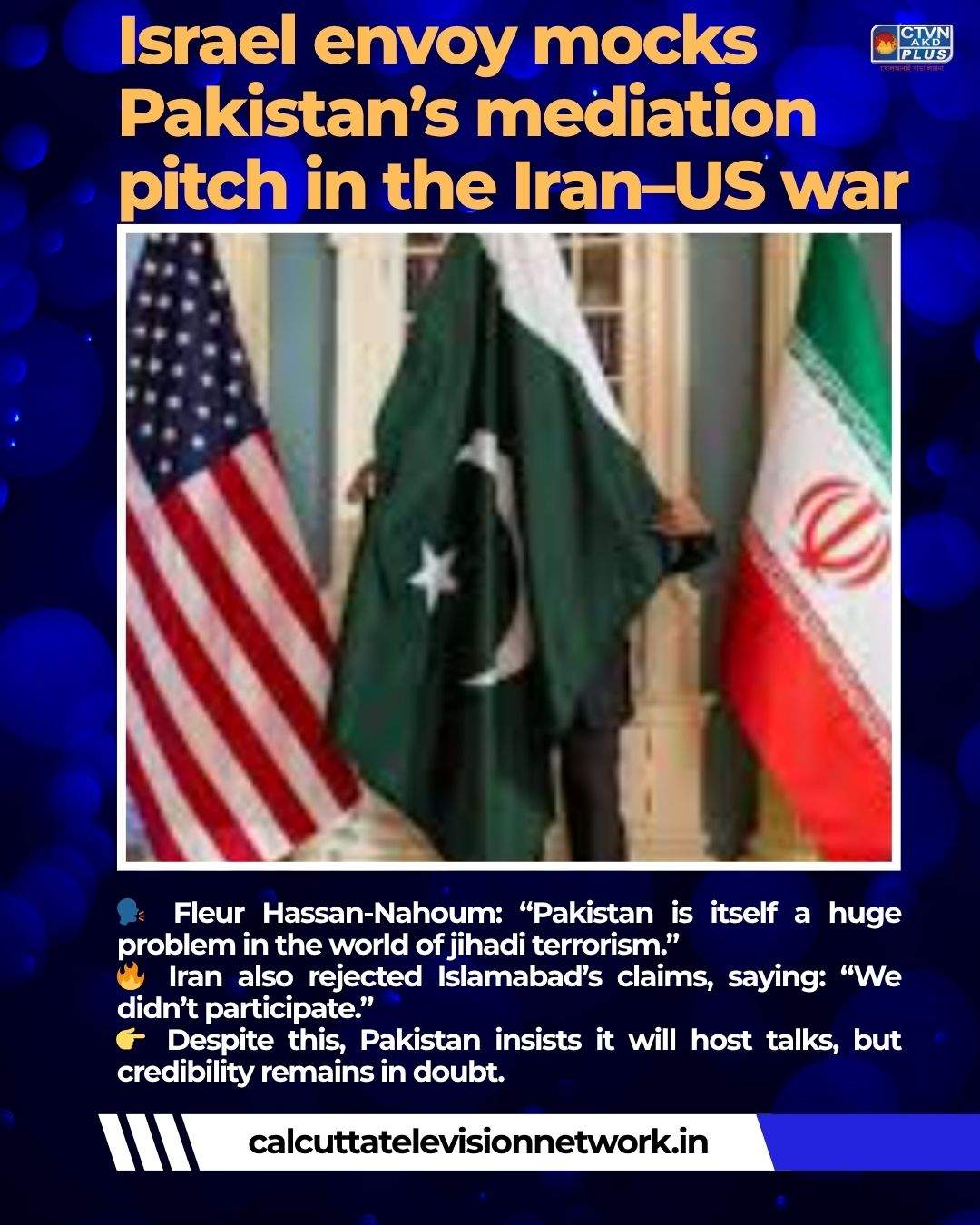
Speaking to ANI, Fleur Hassan-Nahoum, Special Envoy at Israel’s Foreign Ministry, mocked Islamabad’s mediation pitch, questioning both its intent and credibility. She remarked, “I don’t know what the Pakistanis think they’re doing. They are themselves a huge problem in the world of jihadi terrorism.” Her comments underscored Israel’s scepticism about Pakistan’s ability to play any meaningful role in de-escalation, suggesting that Islamabad was merely trying to remain relevant on the global stage.
Iran, too, has distanced itself from Pakistan’s mediation claims. In a statement issued by Tehran’s foreign ministry spokesperson, Iran denied participating in any talks hosted by Islamabad, stressing that there have been “no direct talks” with the United States. The spokesperson accused Washington of pushing “excessive and unreasonable demands” through intermediaries, while bluntly clarifying: “We didn’t participate.”
Despite these rejections, Pakistan’s Foreign Minister Ishaq Dar insisted that Islamabad would be “honoured” to host meaningful talks between Iran and the US. His statement followed a meeting in Islamabad with top diplomats from Turkey, Egypt, and Saudi Arabia, who later departed without concrete progress.
The episode highlights the complex diplomatic landscape surrounding the Iran–US conflict. While Pakistan seeks to elevate its global role, both Israel and Iran remain unconvinced of its credibility. With over 3,000 lives lost since the war began on February 28, the search for effective mediation remains urgent—but Pakistan’s bid appears unlikely to gain traction.