Coalition Politics in the Hormuz Crisis
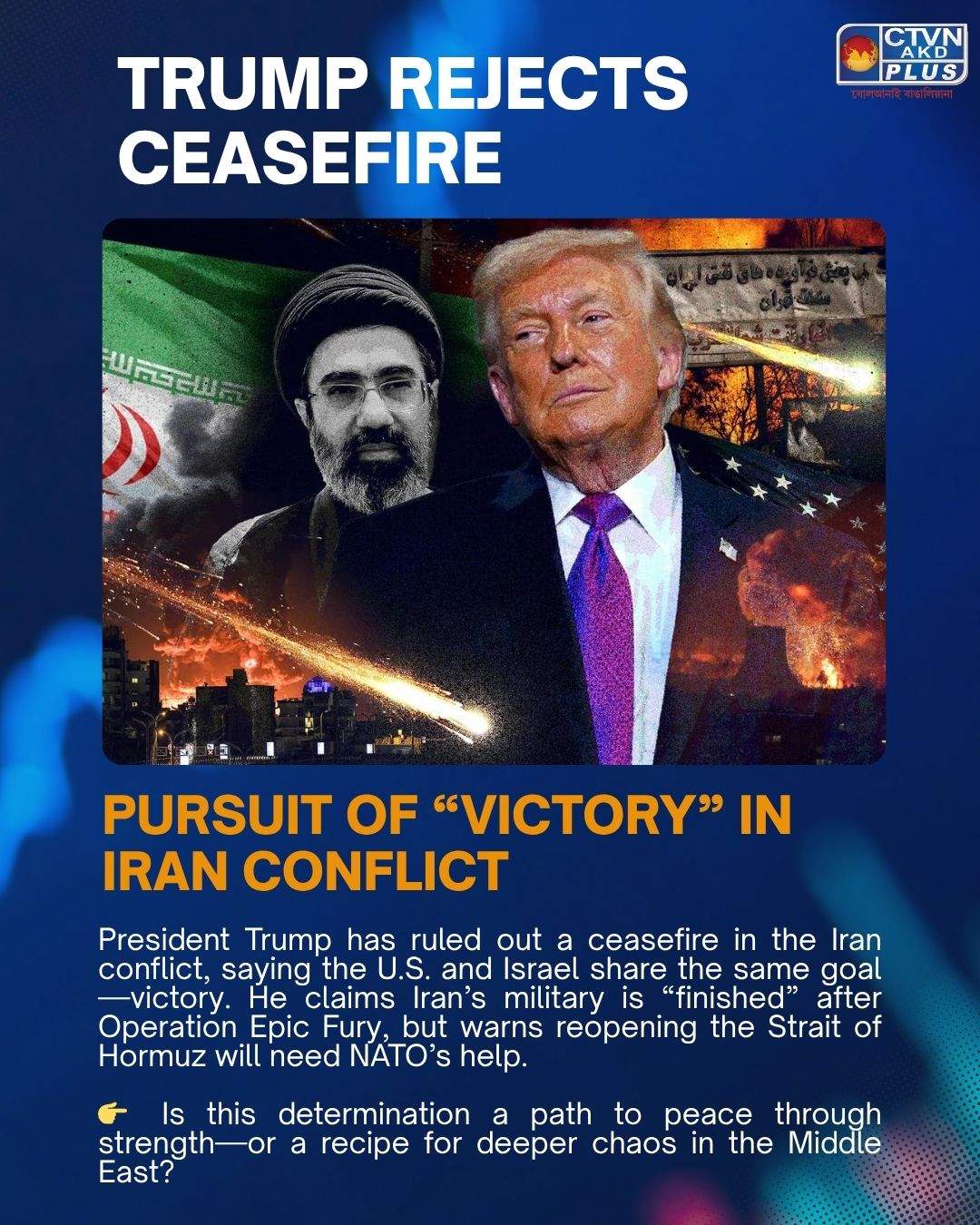
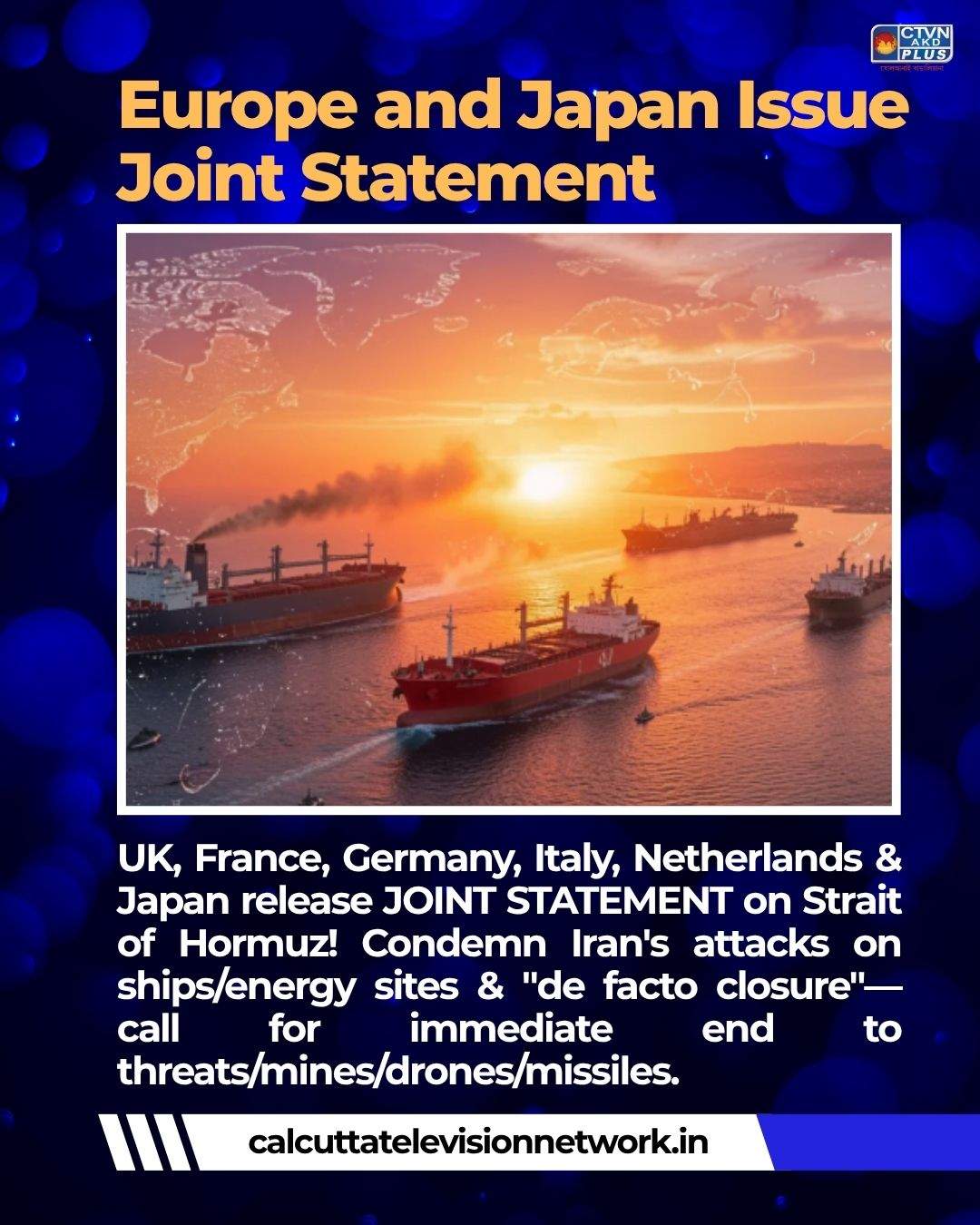
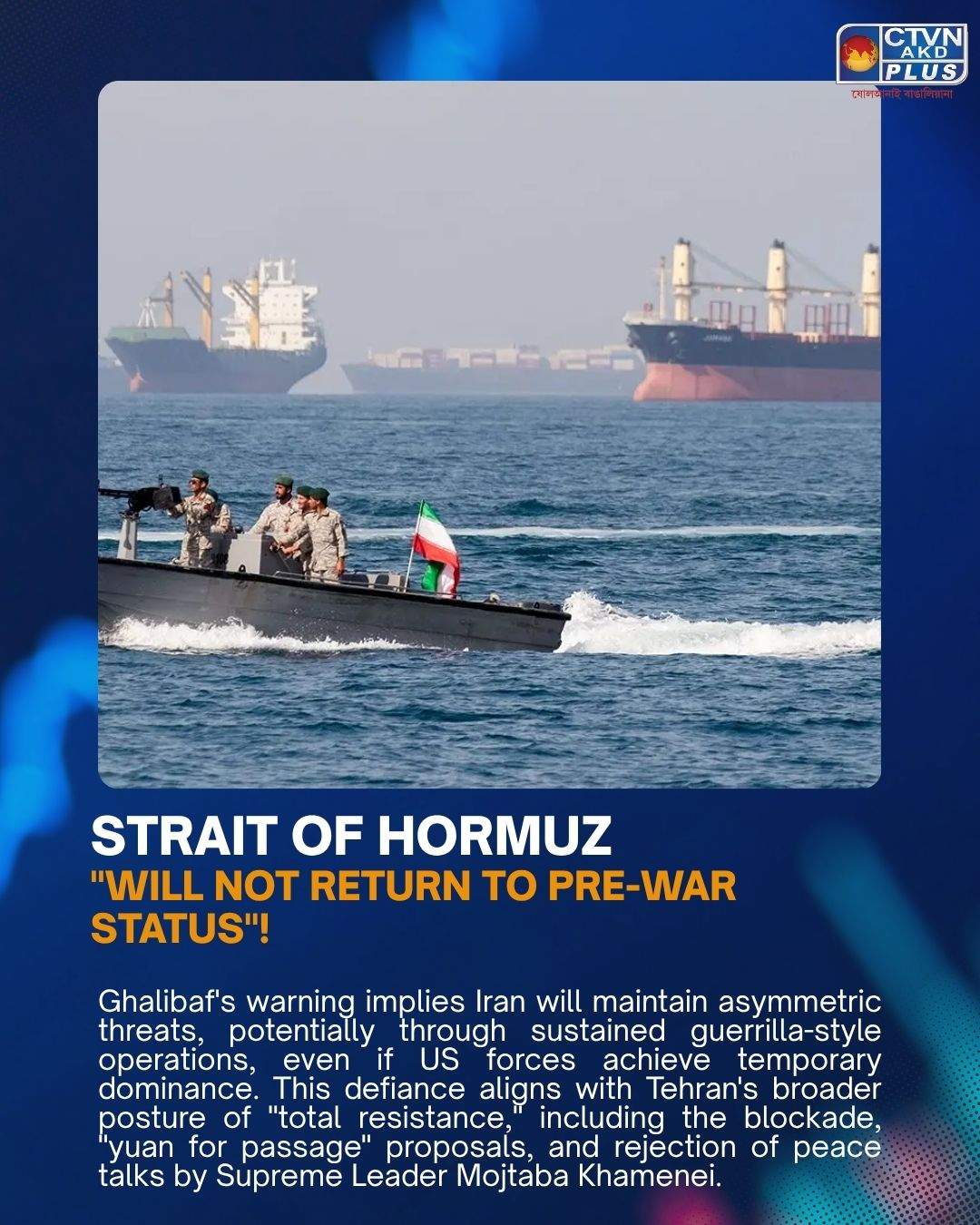
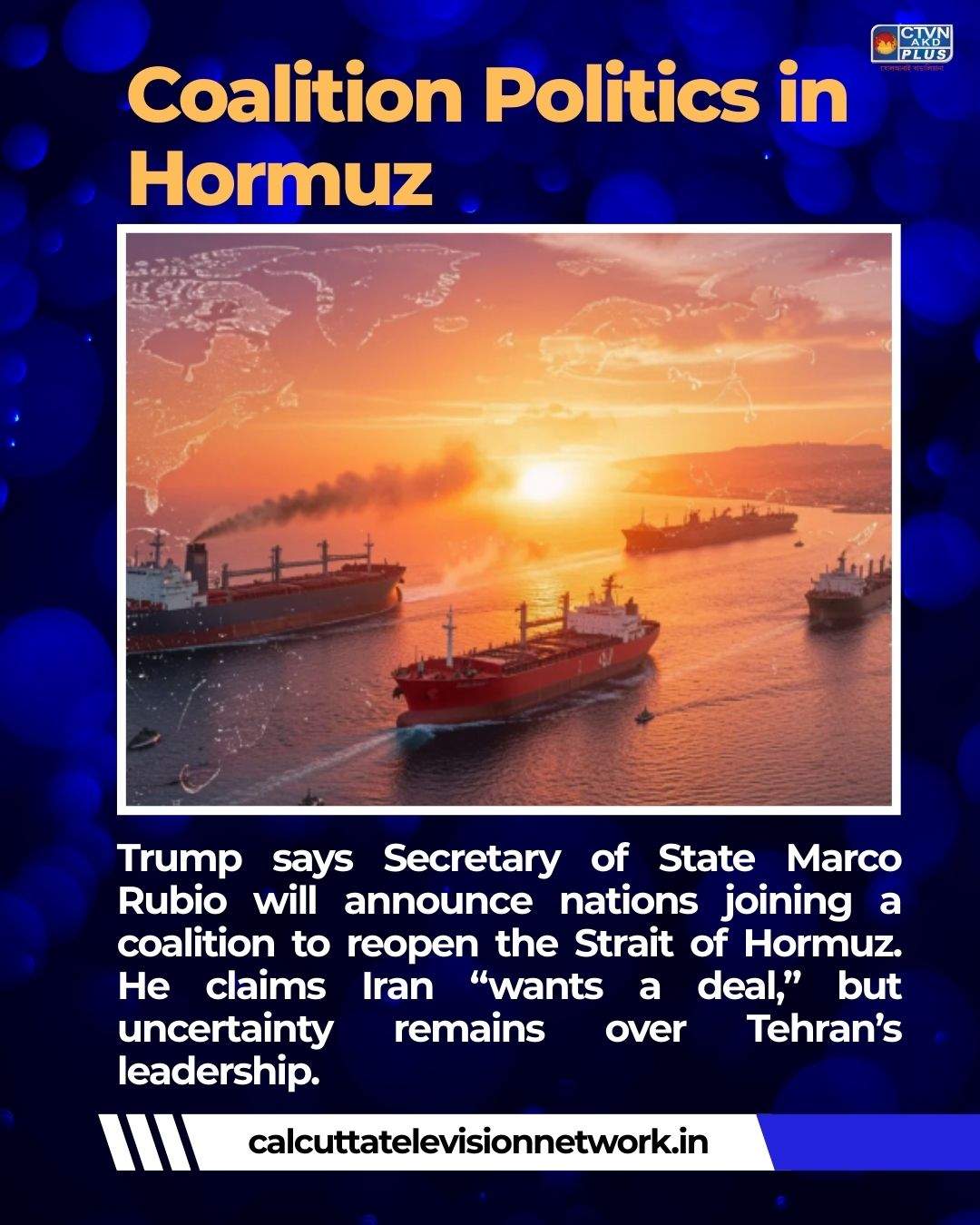
As the war in the Middle East enters its 17th day, the Strait of Hormuz remains blocked, choking off nearly 20% of global oil supply and driving energy markets into turmoil. Against this backdrop, U.S. President Donald Trump has signaled the formation of a coalition to reopen the waterway, with Secretary of State Marco Rubio expected to announce the names of participating nations.
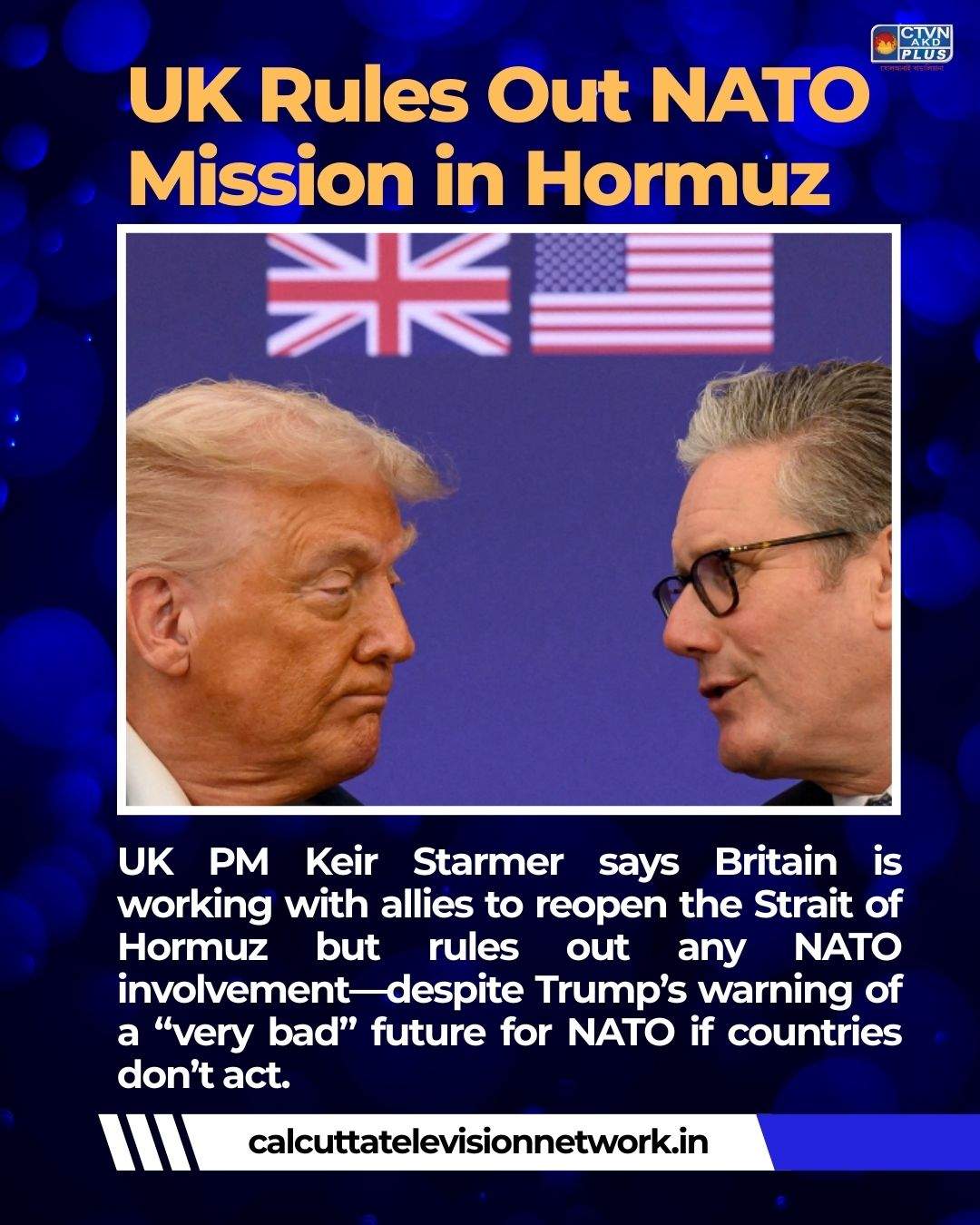
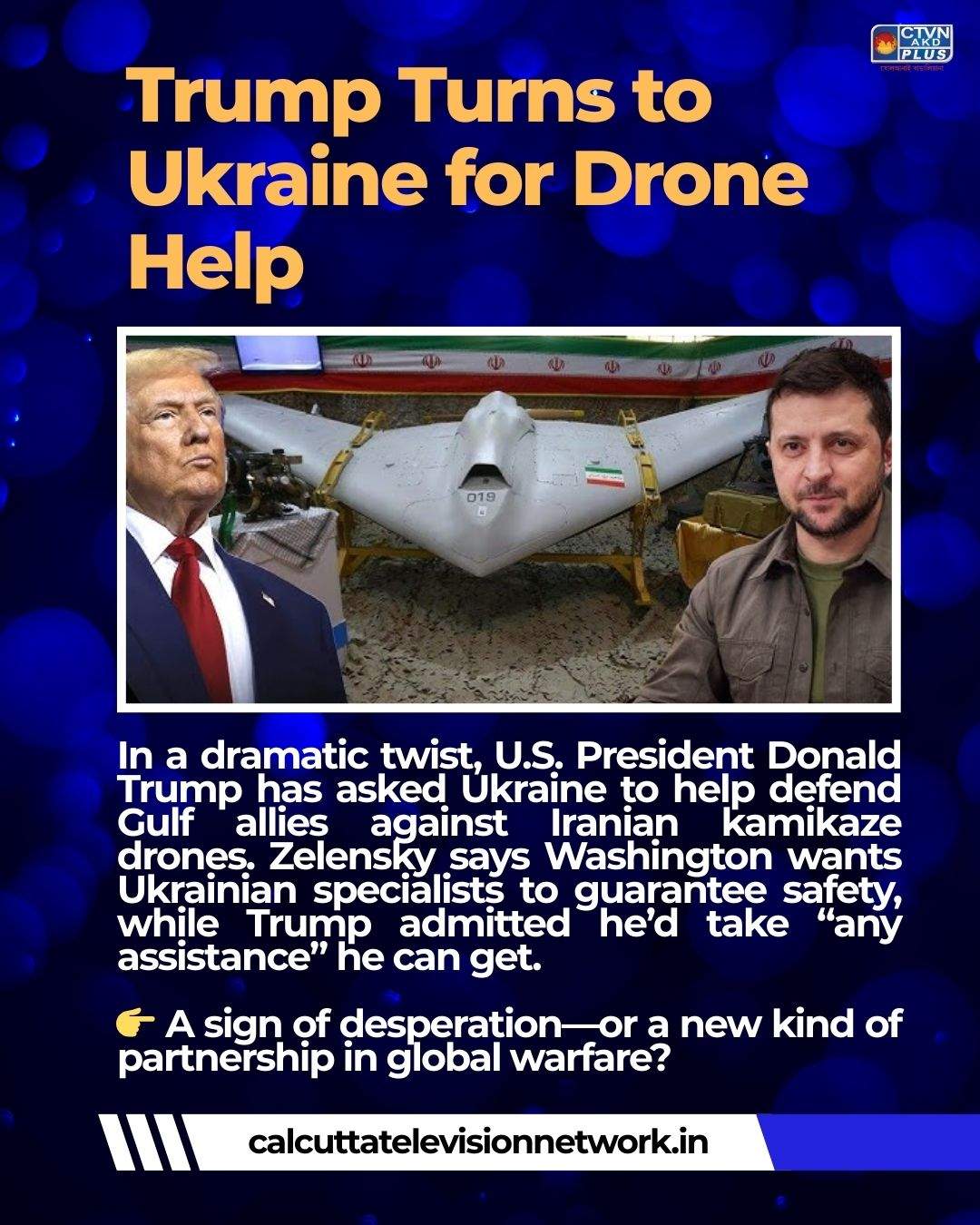
Trump’s remarks, including references to discussions with French President Emmanuel Macron and expectations of British involvement, are widely seen as pressure tactics aimed at persuading European allies to join America’s military efforts. Yet, the response from Europe has been cautious. UK Prime Minister Keir Starmer has already ruled out direct involvement in the wider war, pledging instead to focus on defensive measures to protect Britain’s interests. Germany and Greece have also declined to participate, stressing that NATO should not be drawn into the mission.
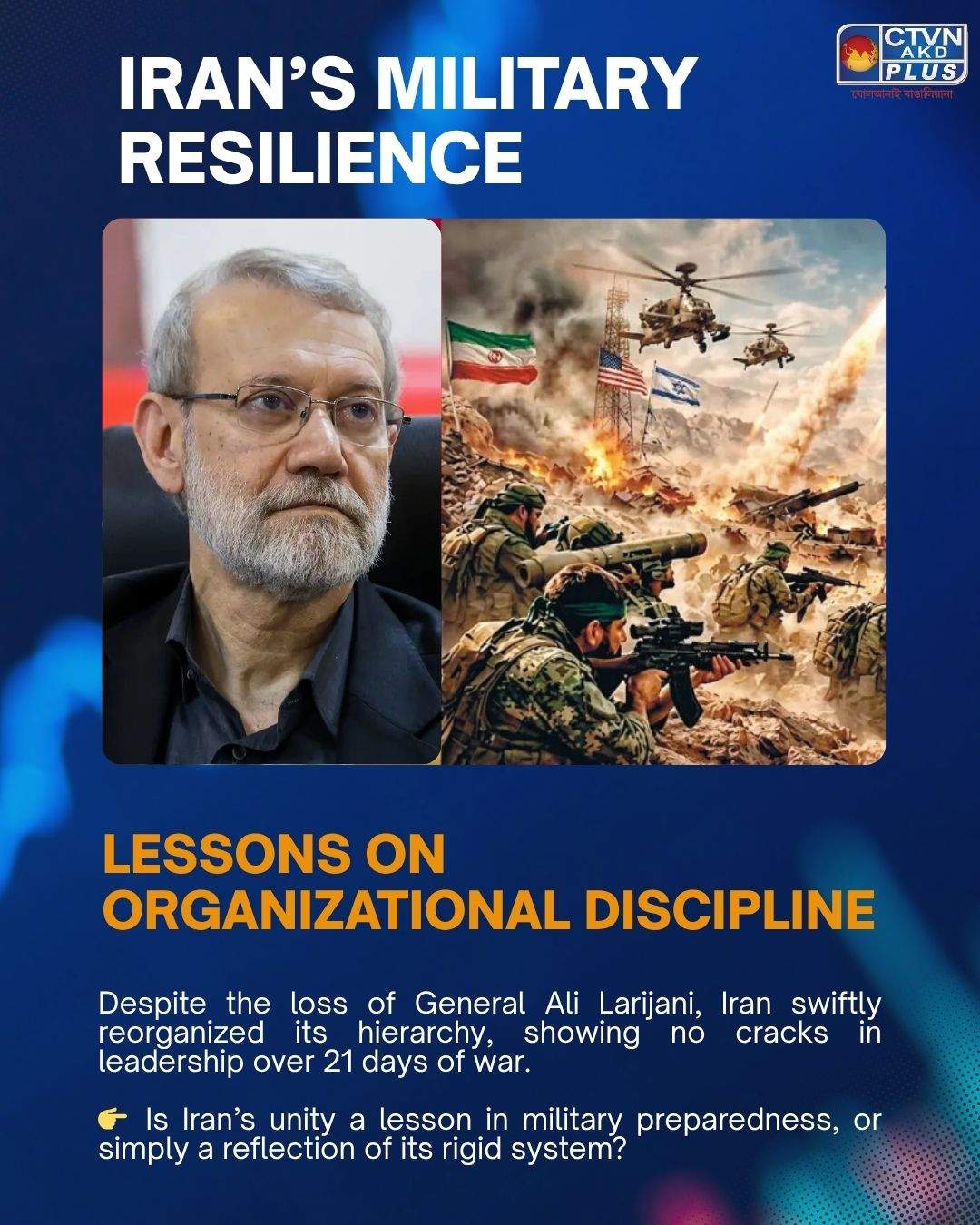
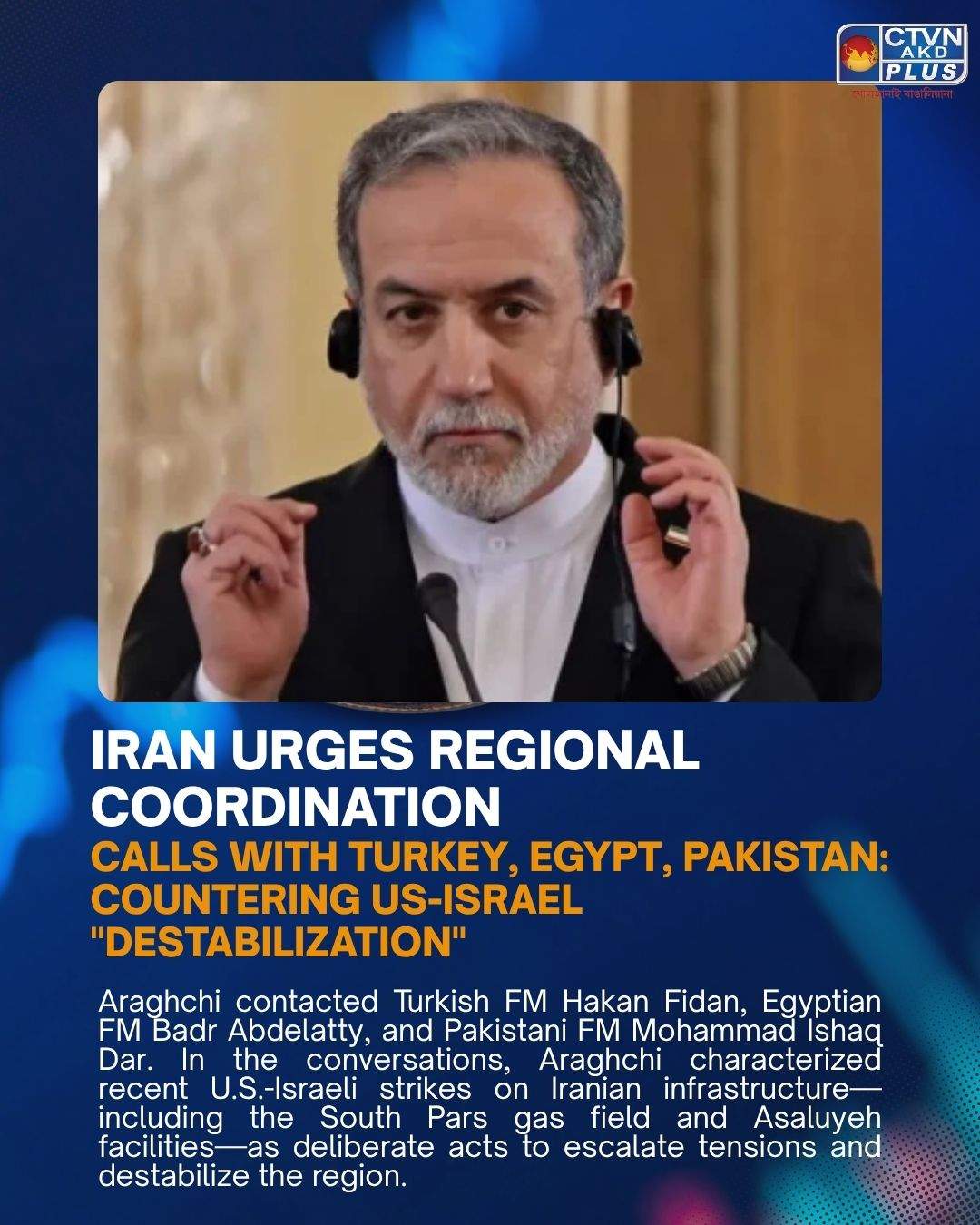
The U.S. push for a coalition reflects both strategic necessity and political urgency. With Iran retaliating against U.S.-Israeli strikes by targeting Gulf states and closing the strait, Washington faces mounting domestic and international pressure from soaring oil prices. Trump’s claim that “Iran wants a deal” suggests an attempt to frame Tehran as ready for negotiation, though uncertainty remains over who speaks for Iran’s leadership following the death of Supreme Leader Ali Khamenei and conflicting reports about his successor, Mojtaba Khamenei.
For allies, the dilemma is clear: joining the coalition risks entanglement in a volatile war with Iran, while staying out risks alienating Washington and leaving global energy flows vulnerable. The episode underscores the fragility of alliance politics in times of crisis. The Hormuz blockade is not just a military challenge—it is a test of diplomatic resolve, economic resilience, and the credibility of global partnerships.