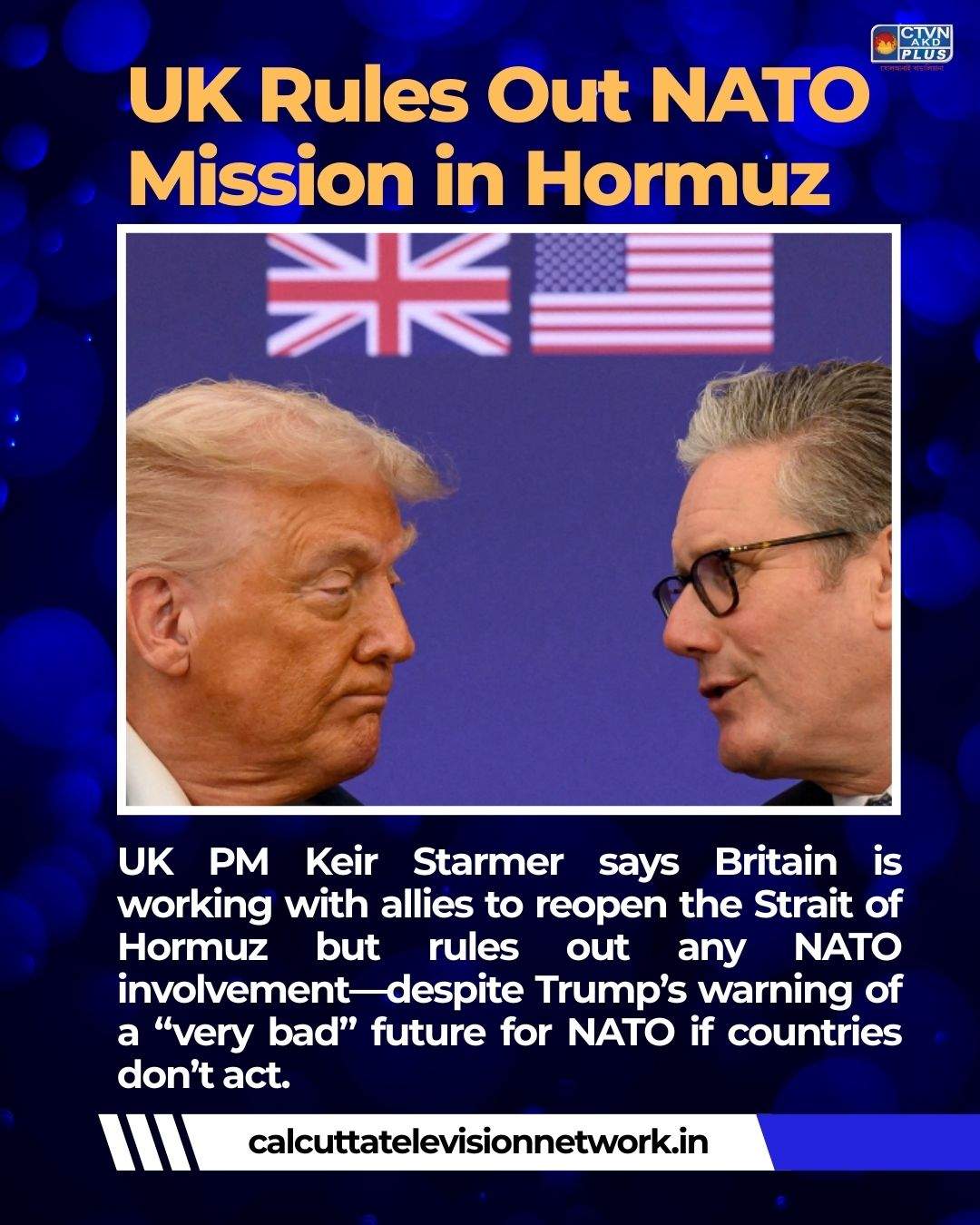
UK Rules Out NATO Role in Hormuz Crisis
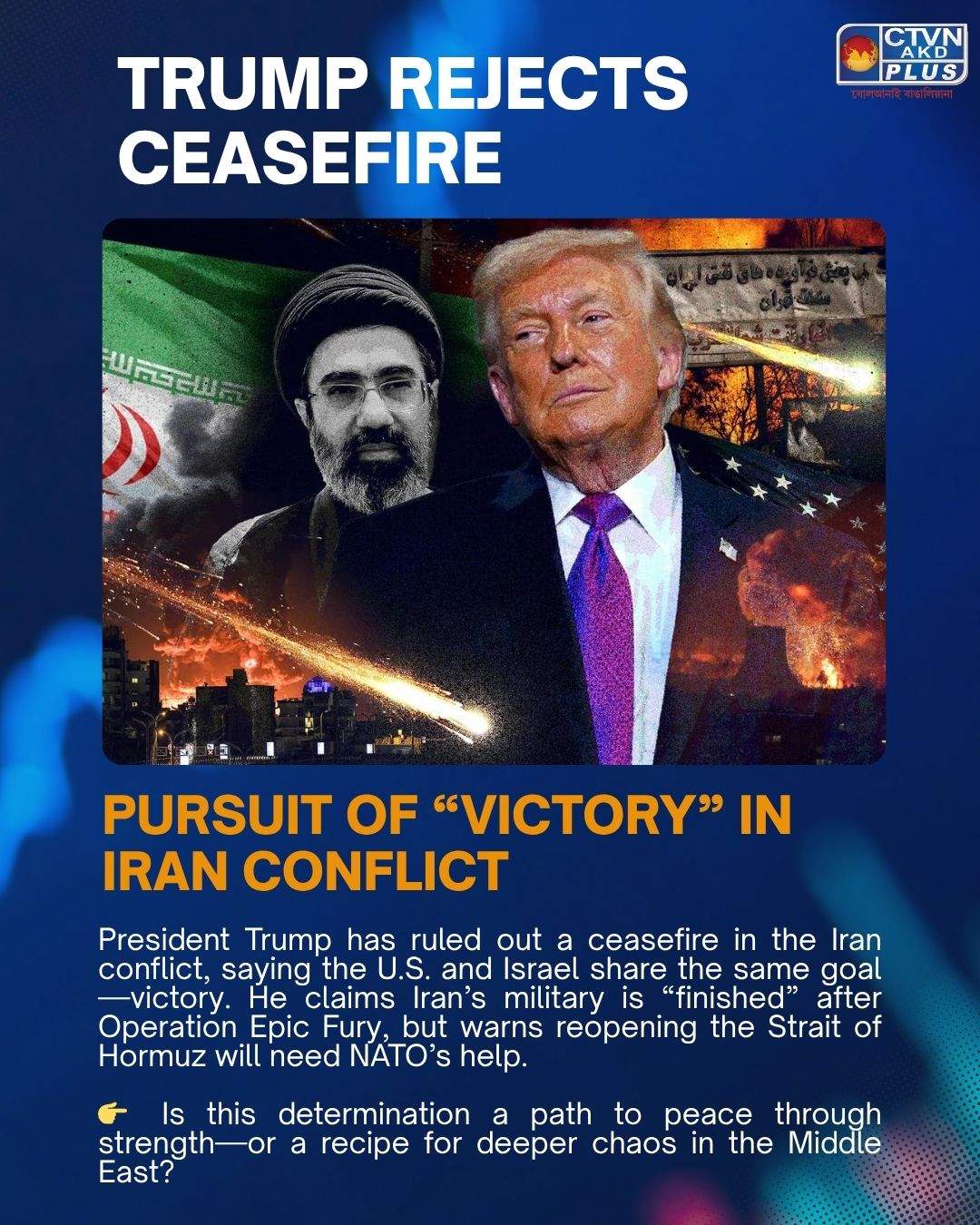
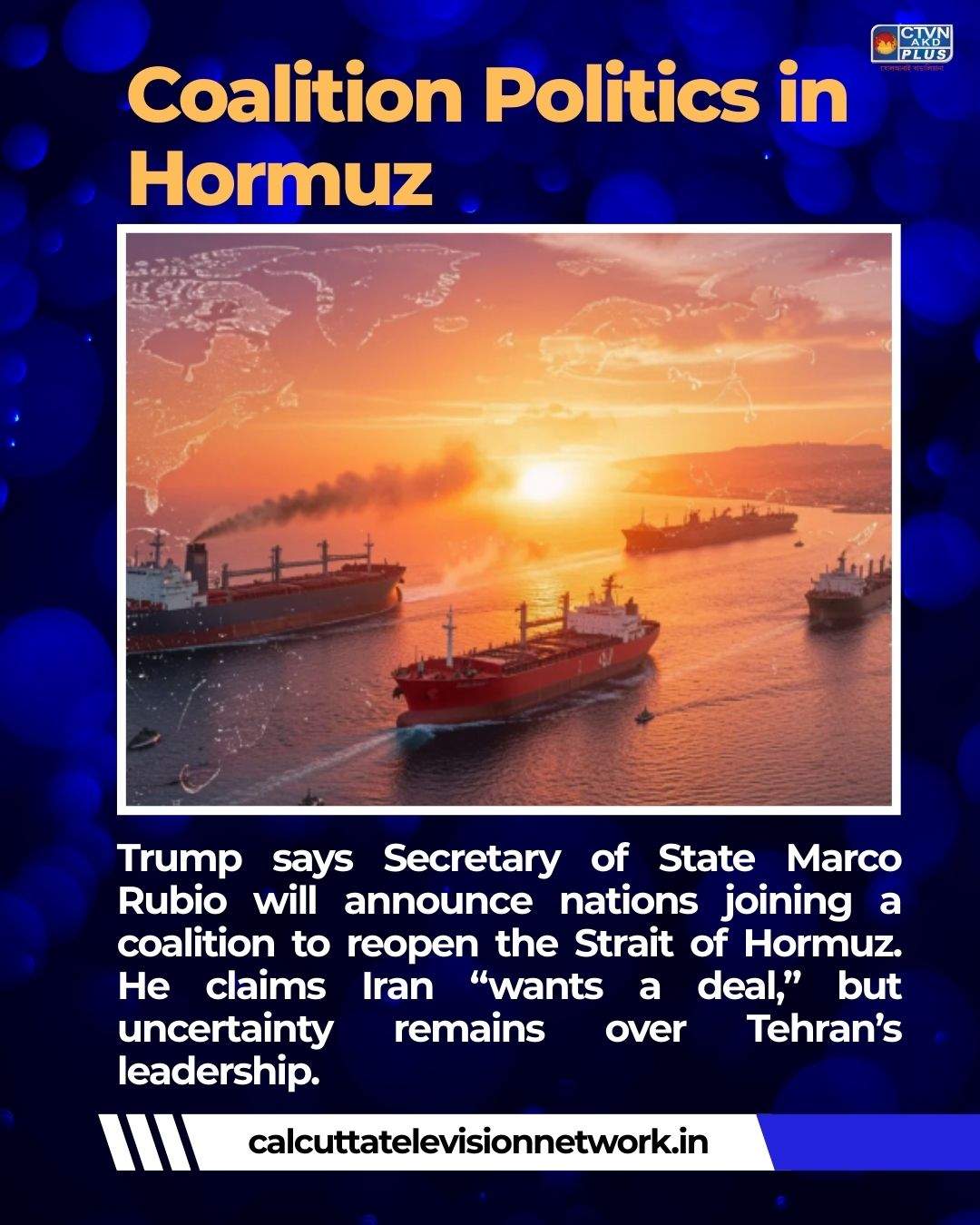
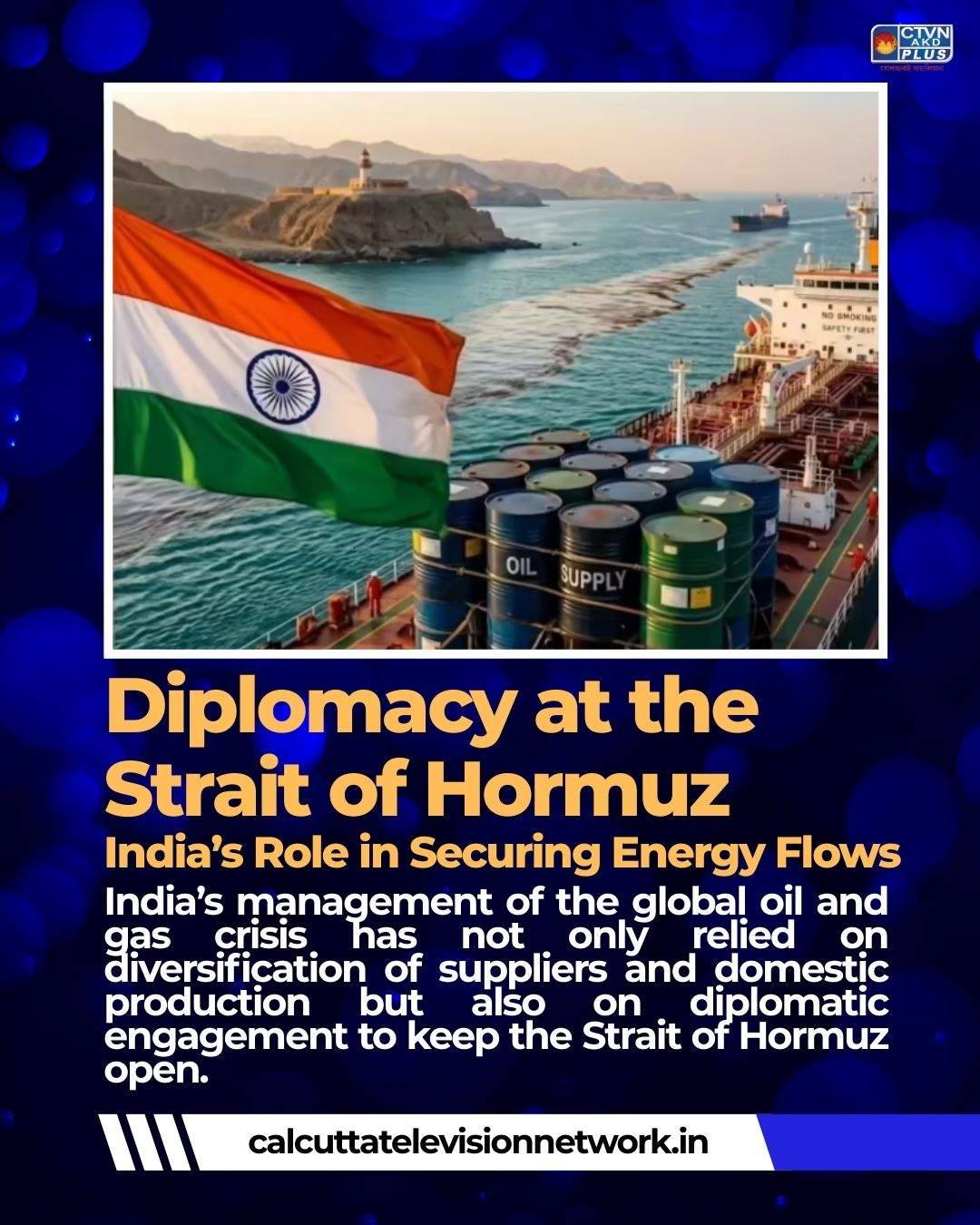
The escalating conflict in the Middle East has placed immense pressure on global powers to respond to Iran’s obstruction of the Strait of Hormuz, a vital artery for global oil flows. Yet, UK Prime Minister Keir Starmer has made it clear that Britain will not support any NATO-led mission in the strait, despite U.S. President Donald Trump’s warnings about NATO’s “very bad” future if allies fail to act.
Starmer’s stance reflects a cautious but pragmatic approach. At a Downing Street press conference, he emphasized that Britain is working with allies—including European partners and Gulf states—to develop a “viable collective plan” to restore freedom of navigation. However, he stressed that NATO would not be part of this effort, framing the mission as a coalition of willing partners rather than a formal alliance operation.
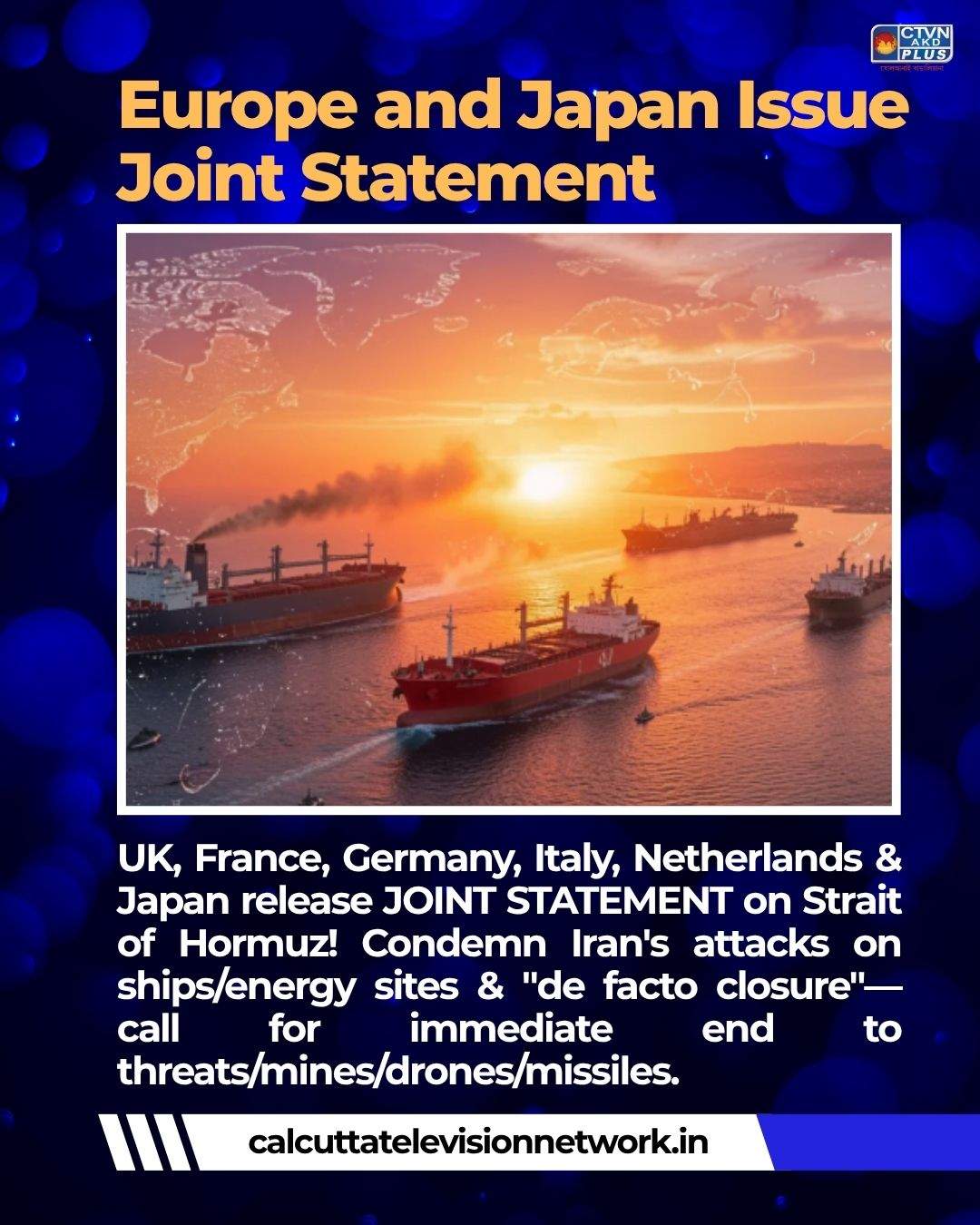
This position aligns with several other countries that have already ruled out military involvement. Japan and Australia confirmed they would not send naval vessels, while Germany and Greece also declined, with Berlin explicitly stating that “it is not a job for NATO.” The reluctance underscores the risks of being drawn into a wider war with Iran, which retaliated against U.S. and Israeli strikes by targeting Gulf states hosting American bases and blocking the strait.
For Britain, the crisis is a test of its “special relationship” with the United States. While Starmer acknowledged a “good call” with Trump, he made clear that safeguarding Britain’s interests remains paramount. His refusal to involve NATO signals a desire to avoid escalation while still contributing to a credible plan to reopen the strait.
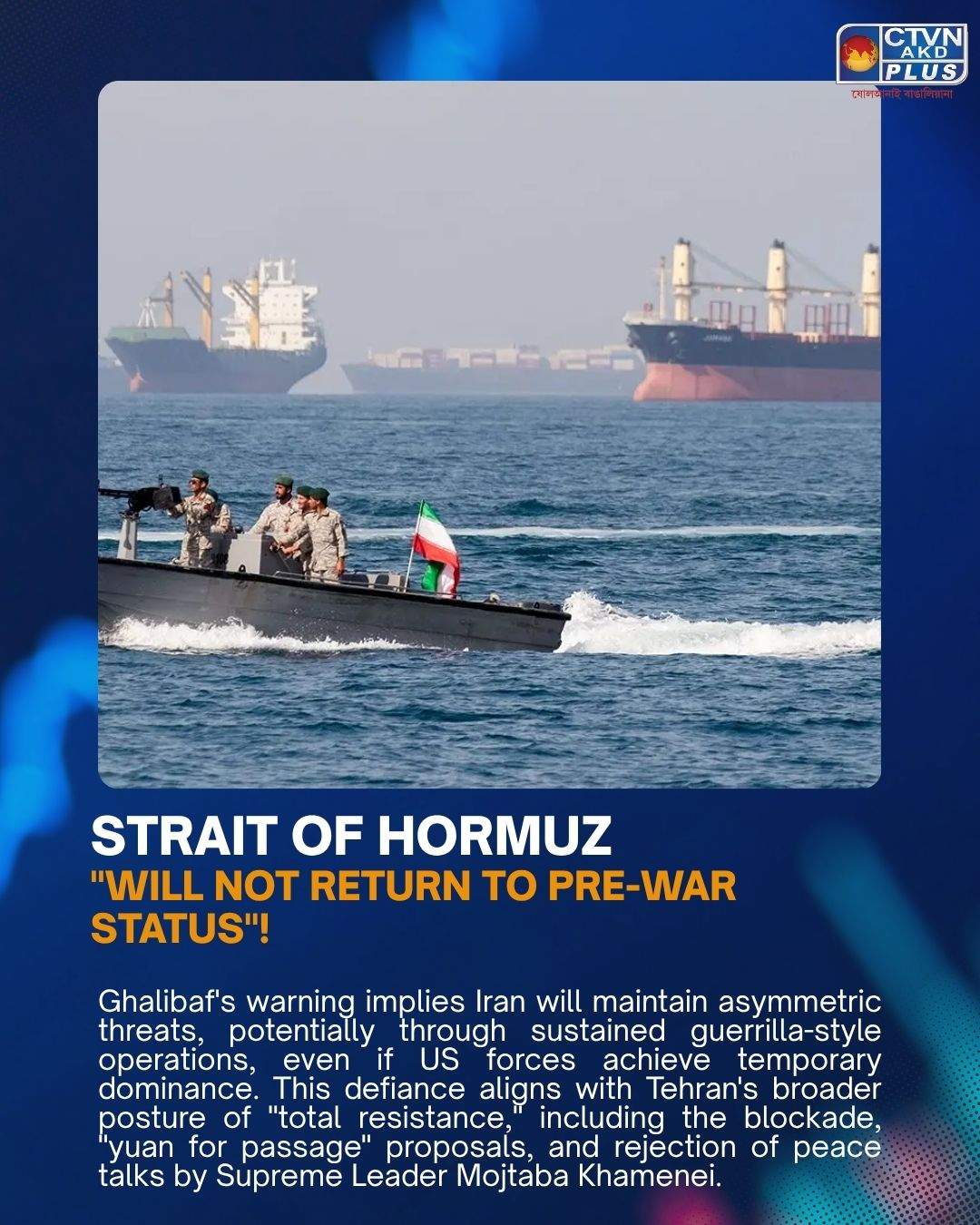
The episode highlights the tension between U.S. pressure for collective military action and European caution. It also underscores the strategic importance of the Strait of Hormuz, which carries about one-fifth of global crude oil. As the war continues, Britain’s balancing act—supporting allies without deepening military entanglement—illustrates the limits of alliance politics in a volatile region.