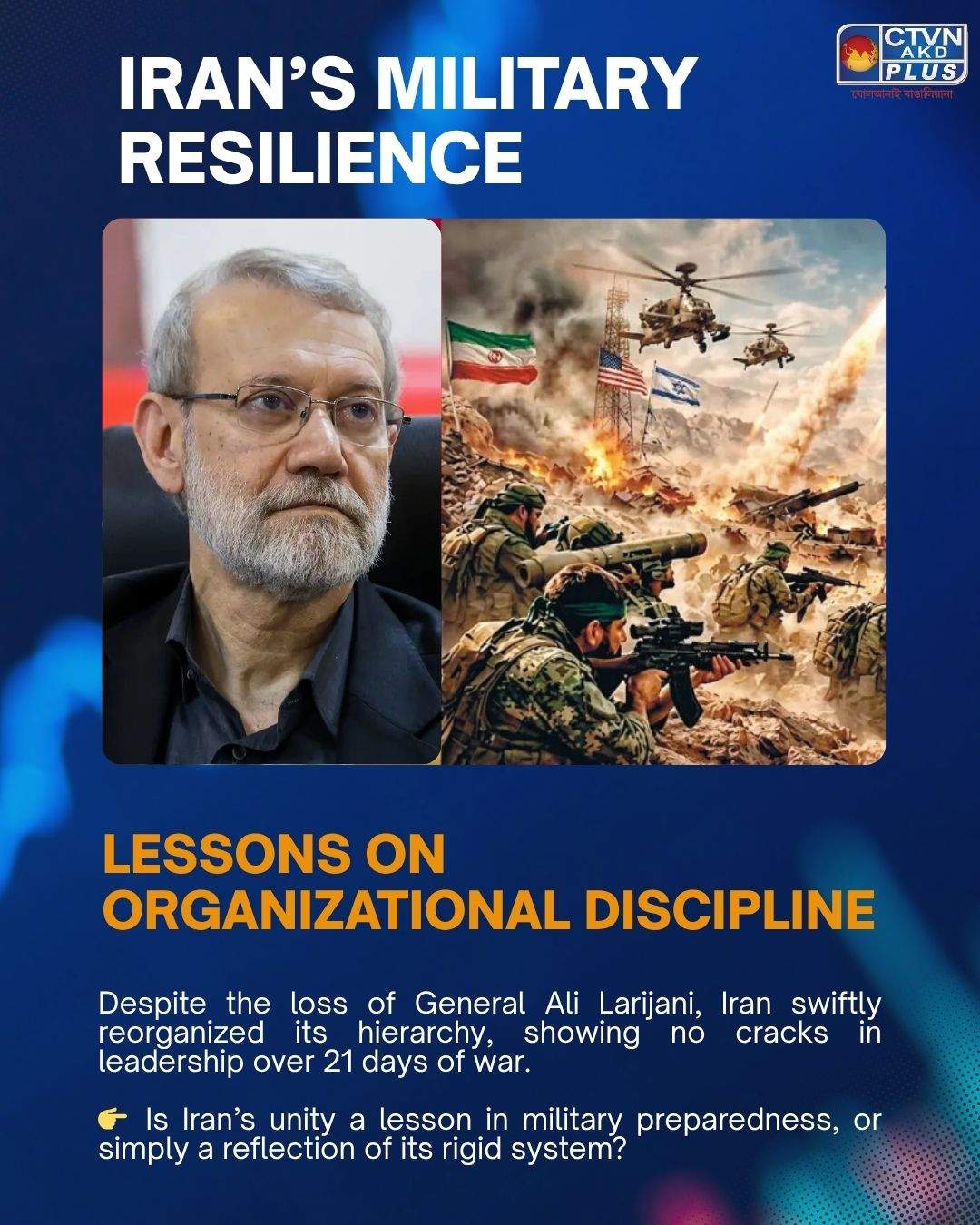
Iran’s Military Resilience: Lessons on Organizational Discipline
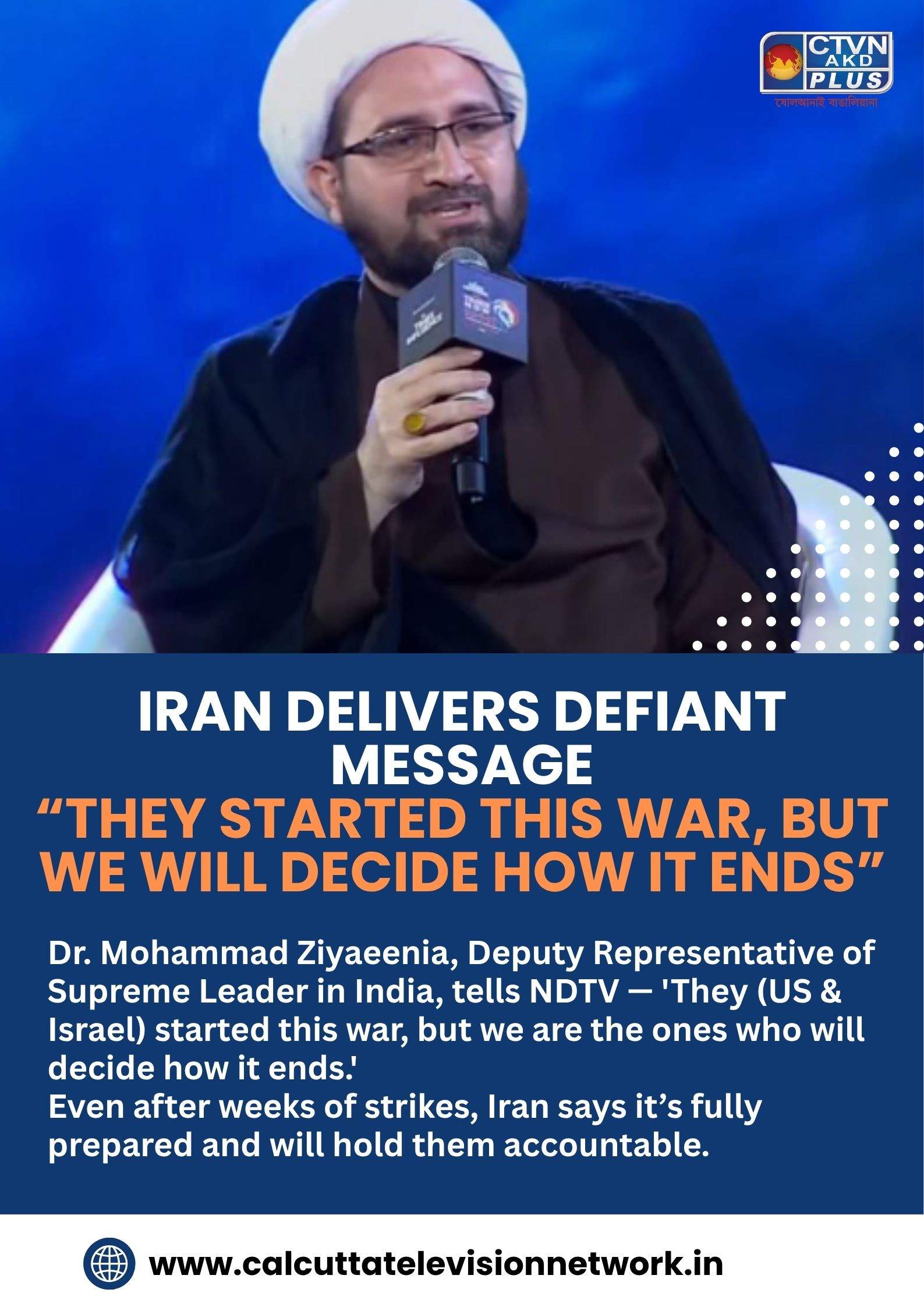
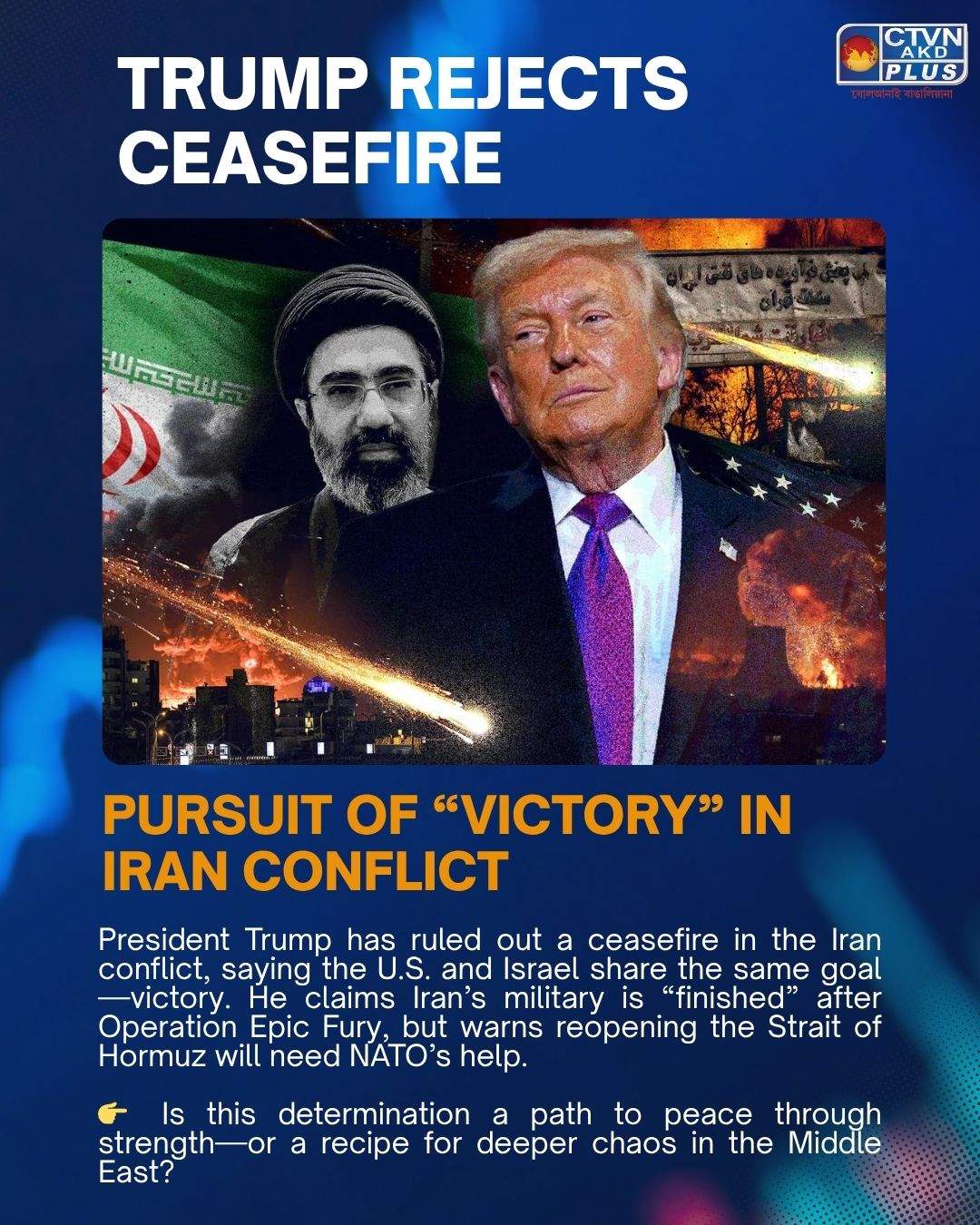
The ongoing U.S.-Israel vs Iran conflict has drawn sharp observations from retired Air Marshal Sanjeev Kapoor, who praised the Iranian leadership for its remarkable resilience. Kapoor highlighted the assassination of General Ali Larijani, a figure he described as one of the finest minds in the Iranian military. Despite the loss of such a senior commander, Iran’s military hierarchy was swiftly reorganized, ensuring continuity of command.
Kapoor noted that in the past 21 days of intense conflict, there has been no visible breakdown in leadership within the Islamic Revolutionary Guard Corps (IRGC). This ability to maintain cohesion under pressure, he argued, deserves “full marks” for organizational discipline and preparedness. For India, such commentary is significant—it reflects how military professionals assess the adaptability of foreign armed forces in times of crisis.
Iran’s example underscores the importance of institutional strength and succession planning in military organizations. While external observers often focus on battlefield outcomes, Kapoor’s remarks remind us that leadership stability is equally critical in sustaining morale and operational effectiveness.
In a region already destabilized by war, Iran’s ability to project unity may influence both the trajectory of the conflict and the perceptions of global powers. For India, balancing its strategic interests while observing these developments remains a delicate task. Kapoor’s assessment adds a professional military perspective to the broader geopolitical debate, emphasizing that resilience in leadership can be as decisive as firepower in modern conflicts.