UN Activist Quits Over Nuclear Allegations: A Warning to the World
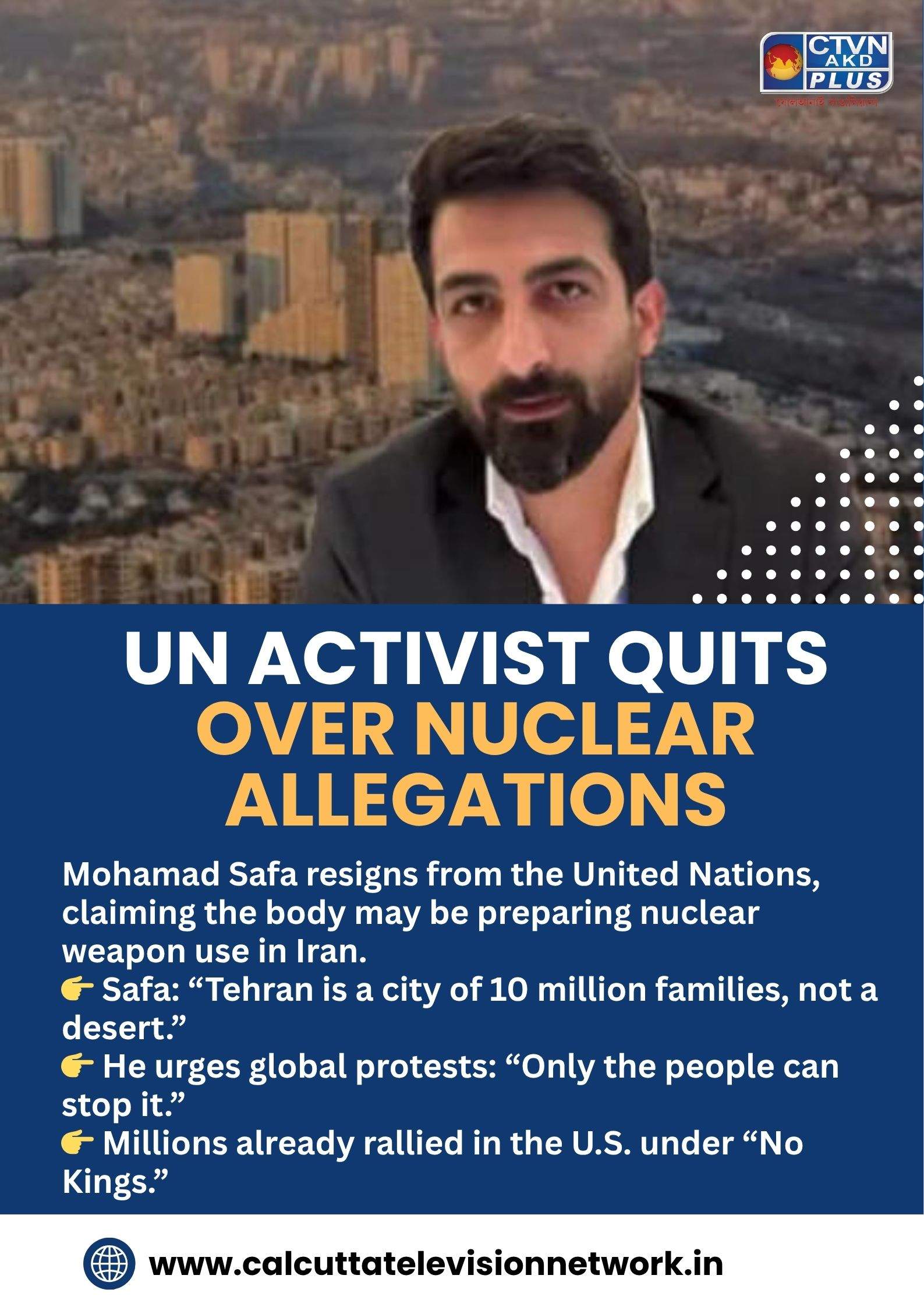
The resignation of UN activist Mohamad Safa has sent shockwaves through diplomatic circles. Safa claimed that the United Nations may be preparing for the use of nuclear weapons in Iran amid the ongoing Middle East conflict. His decision to step down, announced on X (formerly Twitter), was framed as a moral stand against what he described as a “crime against humanity.” Safa explained that he could not continue his diplomatic duties while potentially witnessing the onset of a nuclear winter.
In his statement, Safa criticized war advocates, describing them as “uneducated, untraveled warhawks” eager to bomb Tehran. He reminded the world that Tehran is not a barren desert but a city of nearly 10 million people, filled with families, children, and ordinary workers. By drawing comparisons to Washington, Berlin, Paris, and London, Safa underscored the catastrophic consequences of nuclear strikes on densely populated urban centers.
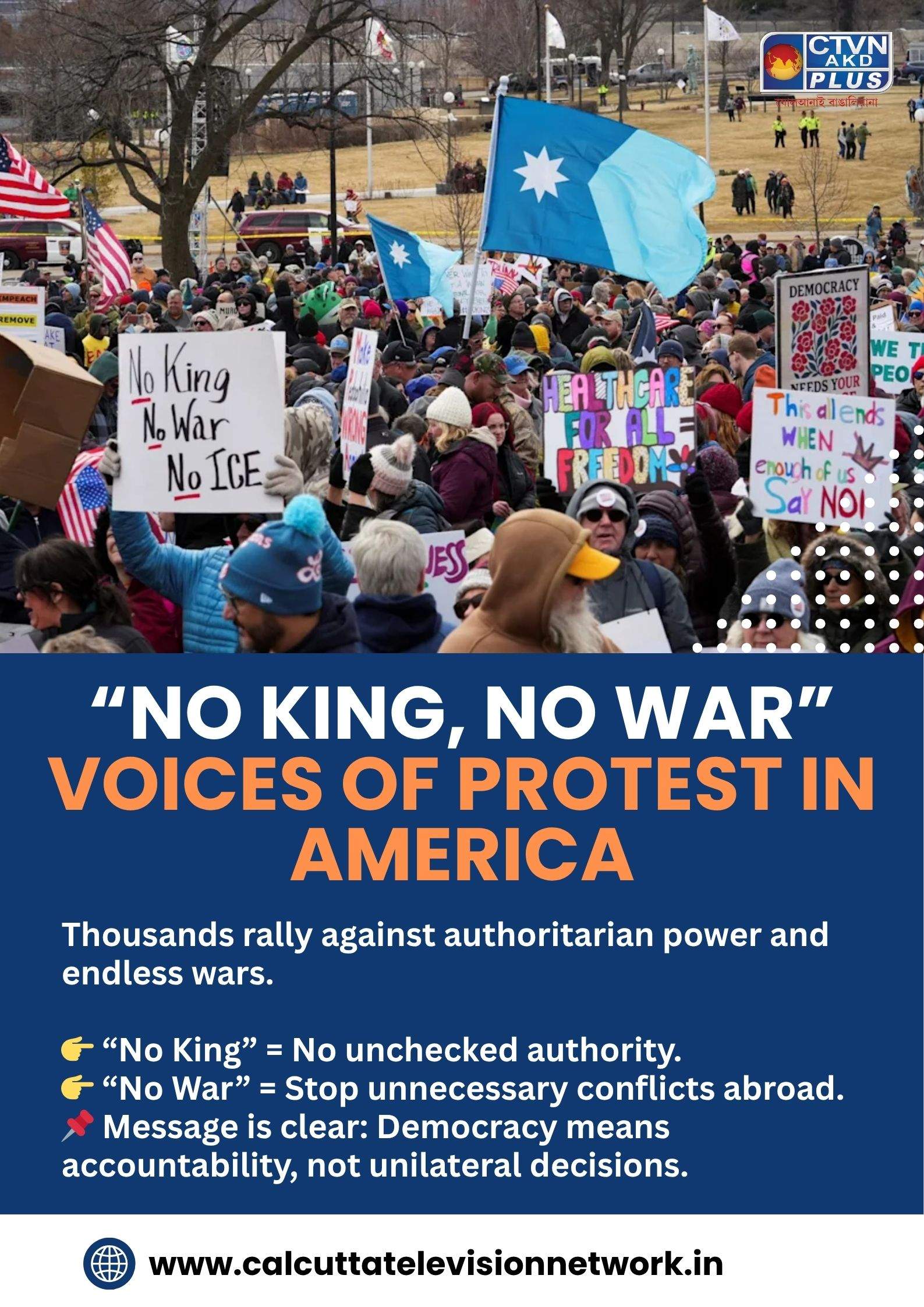
Safa also linked his resignation to broader global protests, noting that millions in the United States had recently rallied under the slogan “No Kings.” He warned that the possibility of nuclear weapon use must be taken seriously and urged citizens worldwide to act immediately. “Only the people can stop it,” he declared, calling for mass mobilization to prevent escalation.
While Safa’s claims remain unverified, his departure highlights growing distrust in international institutions and the fear that powerful lobbies may be steering global policy toward catastrophic outcomes. His appeal is both a moral and political challenge: to resist the normalization of nuclear threats and to reaffirm humanity’s collective responsibility for peace.