“No King, No War” – Voices of Protest in America
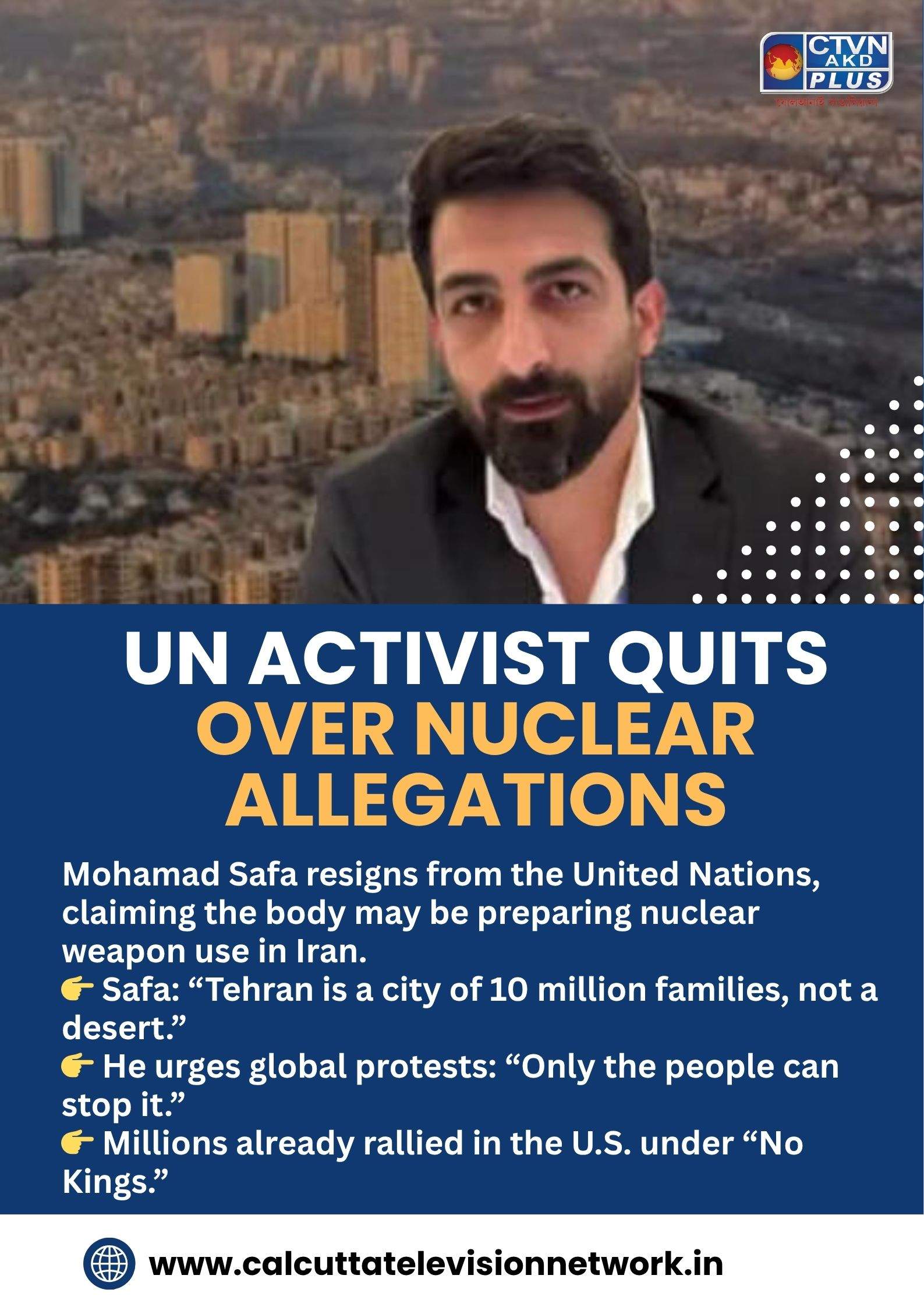
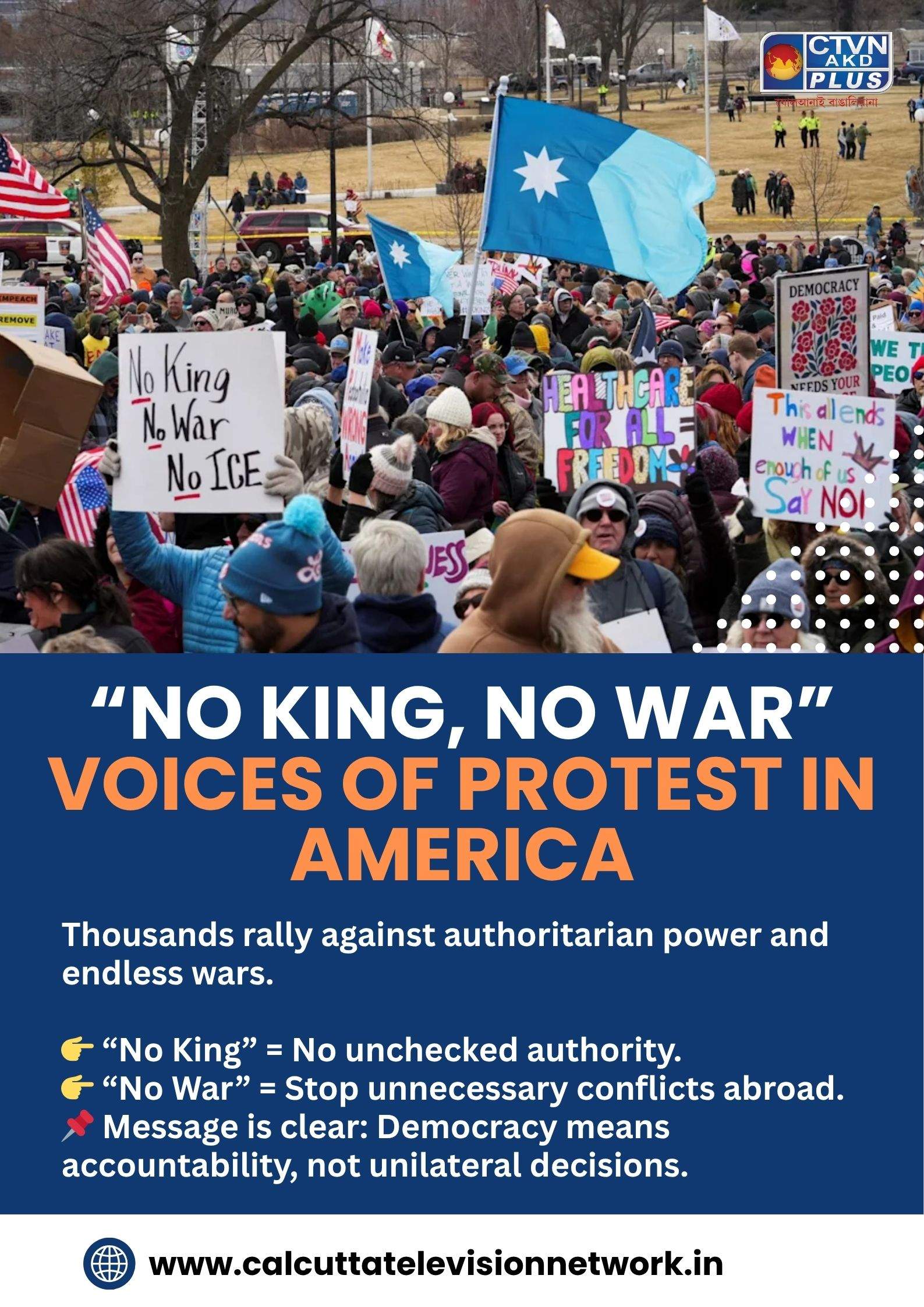
The recent protests in the United States under the slogan *“No King, No War”* reflect growing public discontent with the concentration of power and the escalation of military tensions. Demonstrators argue that the presidency should not resemble monarchical authority, where decisions of war and peace are taken unilaterally without broader democratic consensus. The phrase “No King” symbolizes resistance against perceived authoritarian tendencies, while “No War” expresses opposition to foreign interventions that many believe drain resources and destabilize global peace.
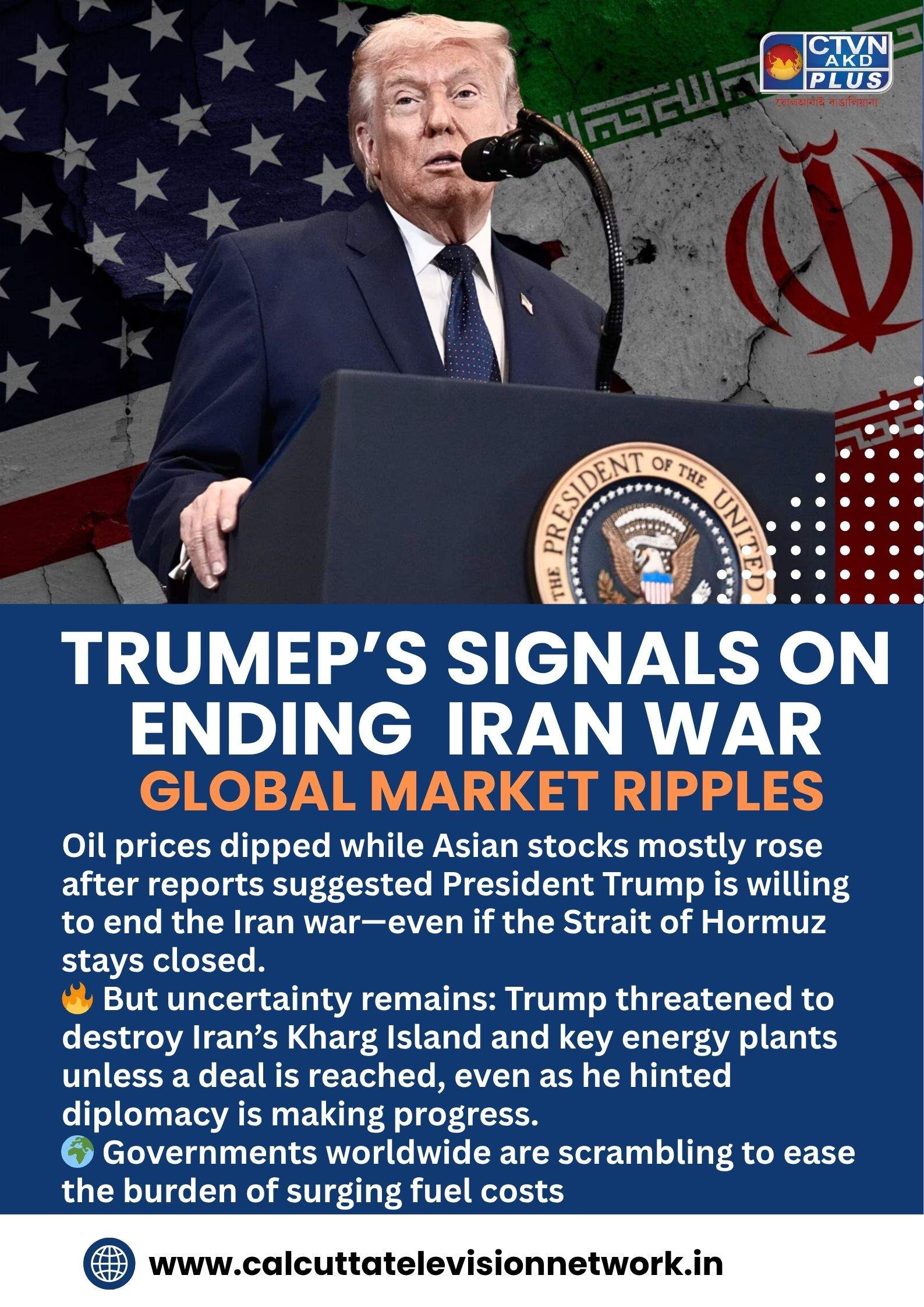
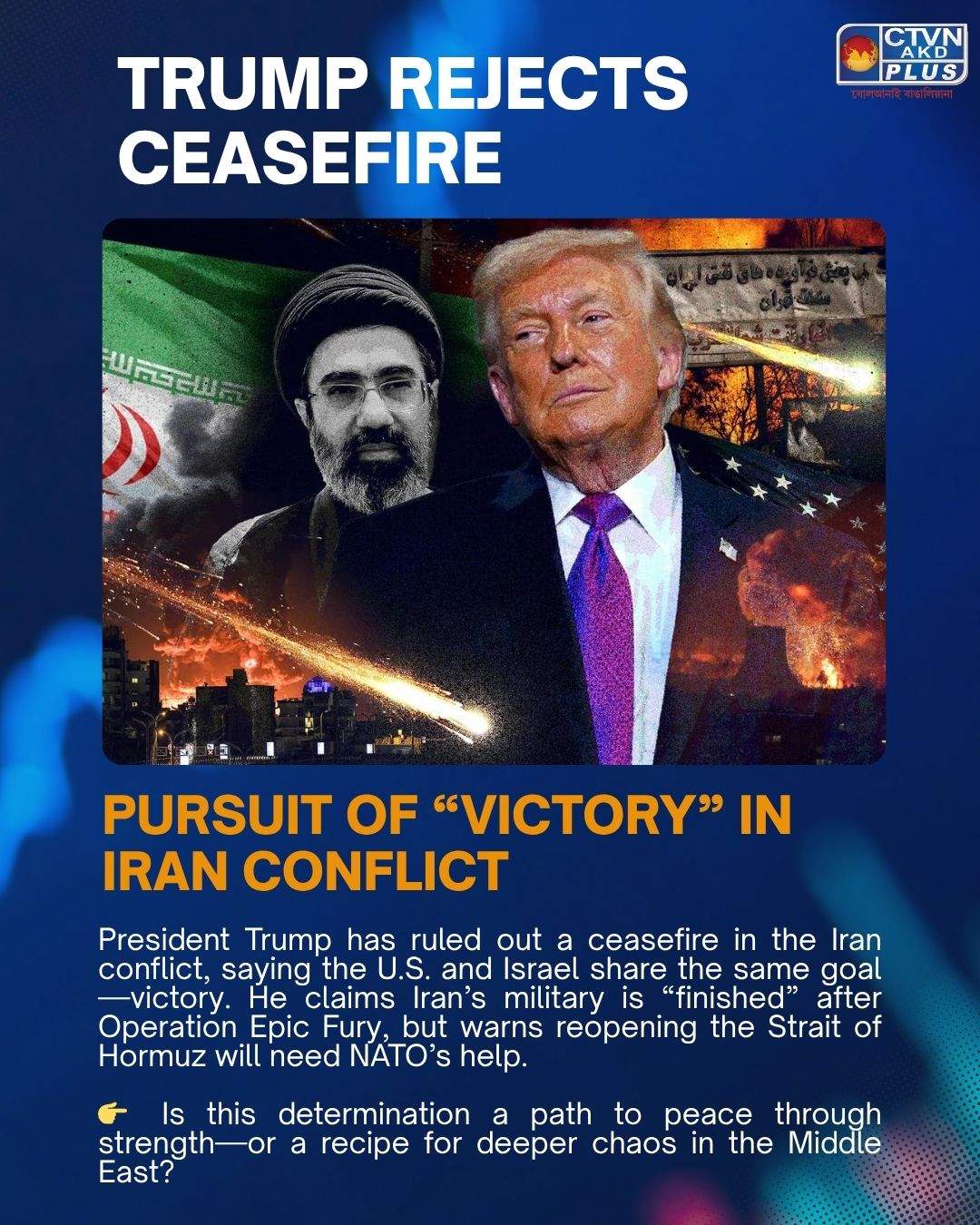
These protests highlight a recurring theme in American political culture: the tension between executive power and popular will. Critics of the administration claim that decisions regarding military engagement are being made without adequate consultation with Congress or consideration of public opinion. The fear is that unchecked authority could lead to unnecessary conflicts, undermining democratic values and risking American lives abroad. Protesters emphasize that the United States should prioritize diplomacy, alliances, and domestic welfare over aggressive military posturing.
The demonstrations also reveal broader anxieties about America’s role in the world. Many citizens feel that the country is entangled in conflicts that do not directly serve national interests, while pressing domestic issues—such as healthcare, education, and economic inequality—remain unresolved. The slogan “No King, No War” thus encapsulates both a rejection of authoritarian leadership and a demand for a more restrained, people-centered foreign policy.
Ultimately, these protests serve as a reminder that democracy thrives on accountability and public participation. By voicing opposition, citizens reaffirm their role in shaping national policy and resisting any drift toward authoritarianism or unnecessary militarism.