Trump’s Signals on Ending the Iran War and Global Market Ripples
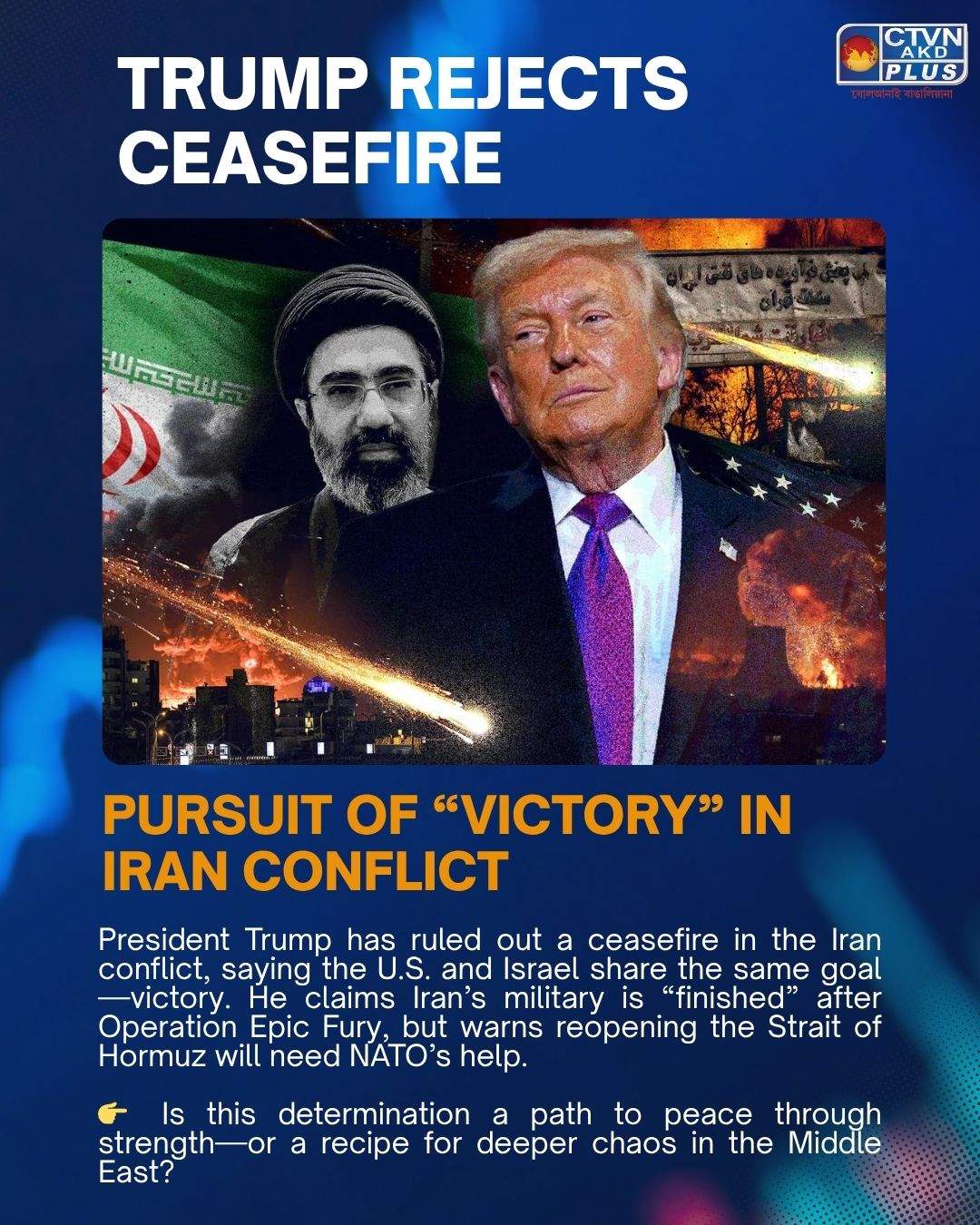
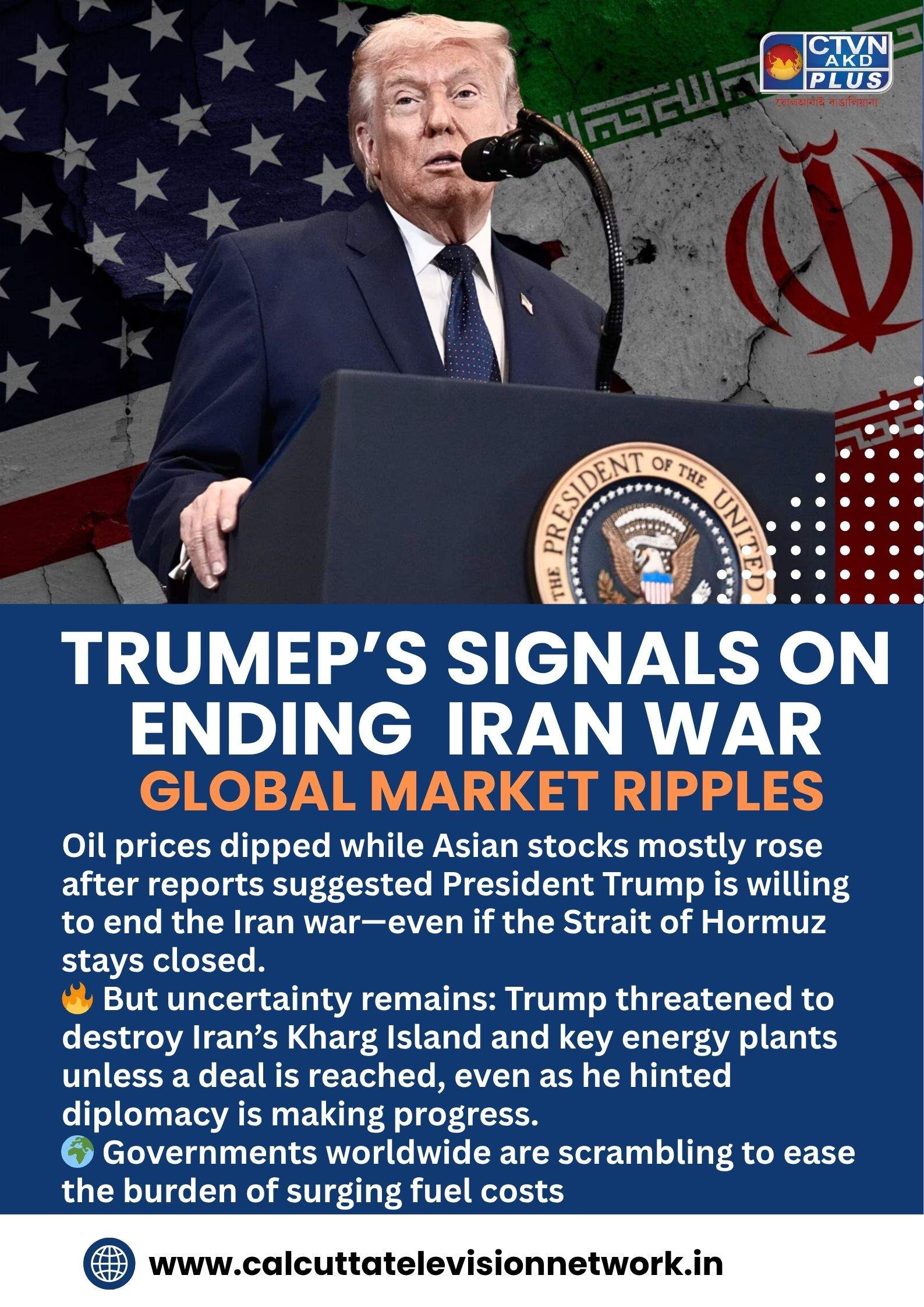
Global markets reacted sharply on Tuesday after a report suggested that U.S. President Donald Trump was willing to end the ongoing war with Iran—even if the Strait of Hormuz, the world’s most critical oil transit chokepoint, remained closed. Oil prices dipped, while most equity markets across Asia rose, reflecting cautious optimism.
The Wall Street Journal reported that Trump and his aides concluded reopening the Strait militarily would extend operations beyond his preferred four-to-six-week timeline. Instead, the administration is focusing on weakening Iran’s missile and naval capabilities, while simultaneously applying diplomatic pressure to reopen the waterway. Despite this, Trump also threatened to destroy Iran’s Kharg Island, its main oil export hub, along with desalination plants, if Tehran refused a peace deal. Experts warned that such threats against civilian infrastructure could constitute war crimes.
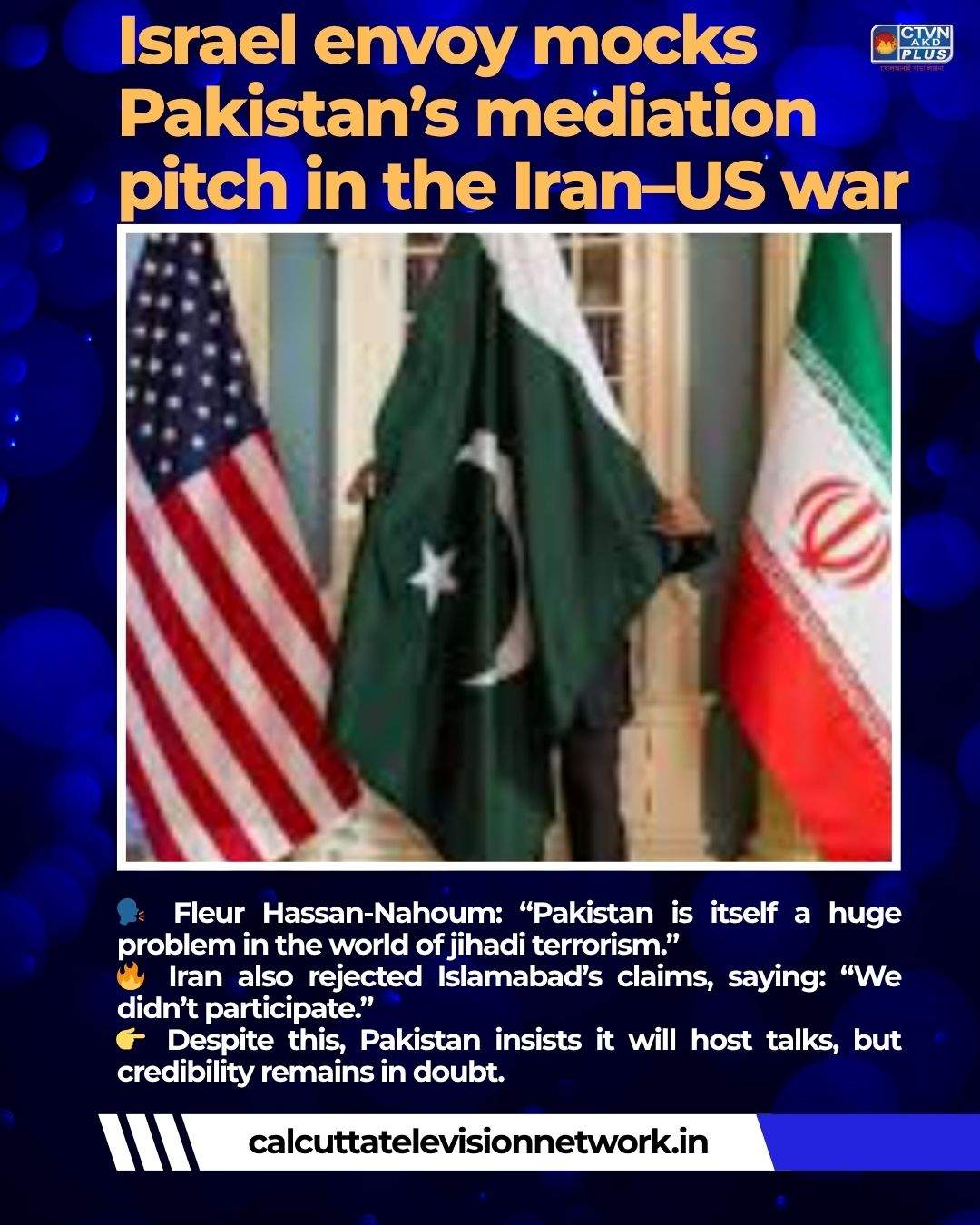
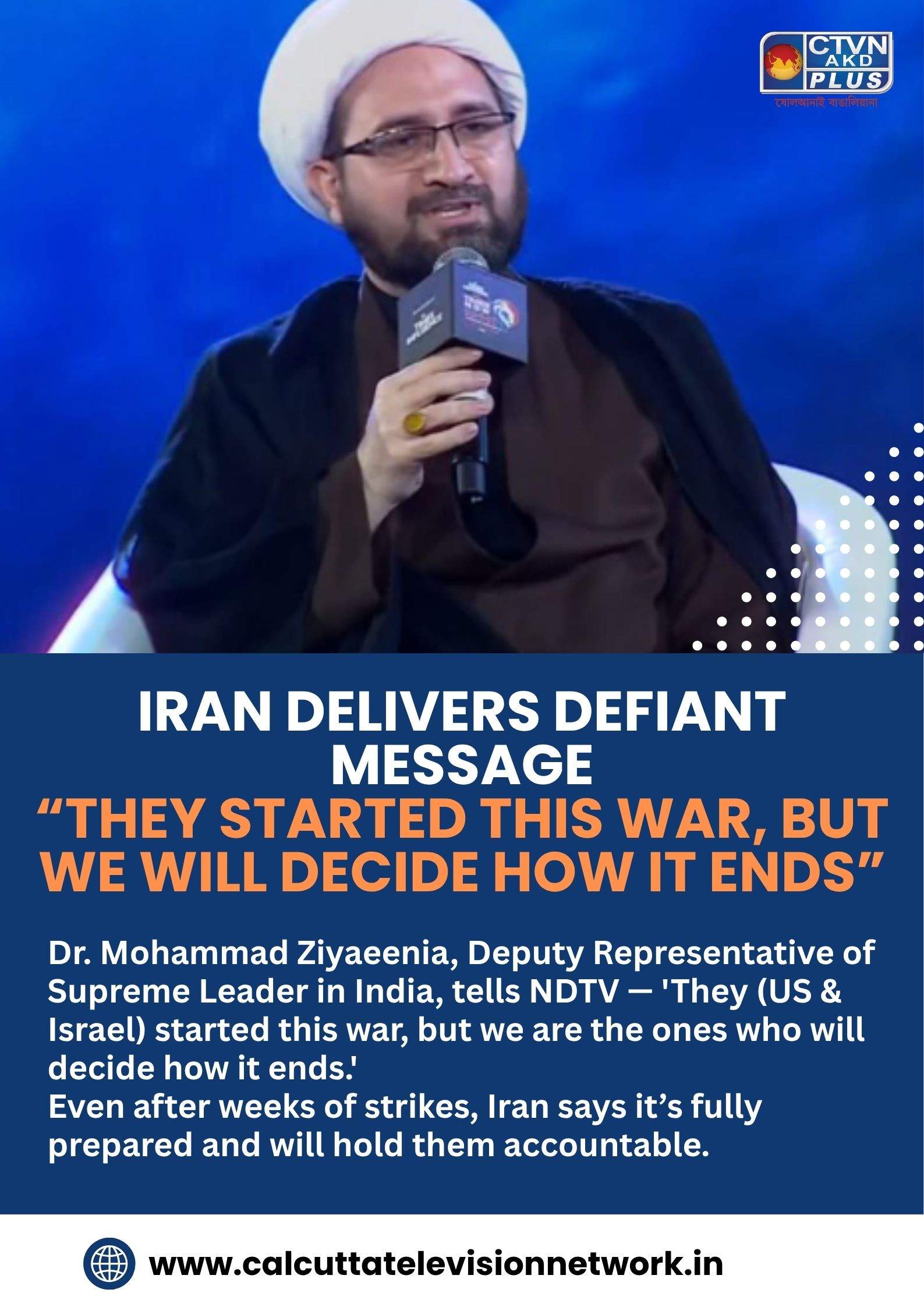
Iran, meanwhile, denied any negotiations, accusing Trump of fabricating claims as cover for a possible ground invasion. Tehran has also threatened retaliation against energy infrastructure in neighboring Arab states hosting U.S. forces, raising fears of a wider regional conflict.
Markets reflected this uncertainty. Brent and West Texas Intermediate crude fell but remained above $100 per barrel. Equity markets in Hong Kong, Shanghai, Sydney, Singapore, and Jakarta rose, while Tokyo fluctuated and Seoul, Taipei, and Manila declined. Analysts noted that investors are navigating a “headline-driven” environment, with alternating signals of de-escalation and re-escalation.
Governments worldwide are scrambling to cushion the economic fallout. G7 ministers met in Paris to discuss energy-saving measures, while countries like Dubai, Norway, Bangladesh, and Sri Lanka introduced subsidies, tax cuts, or rationing to manage surging fuel costs.
Ultimately, the burden is shifting from military outcomes to economic endurance. Elevated energy prices threaten growth and consumer spending, making the war’s economic dimension as critical as its geopolitical one.