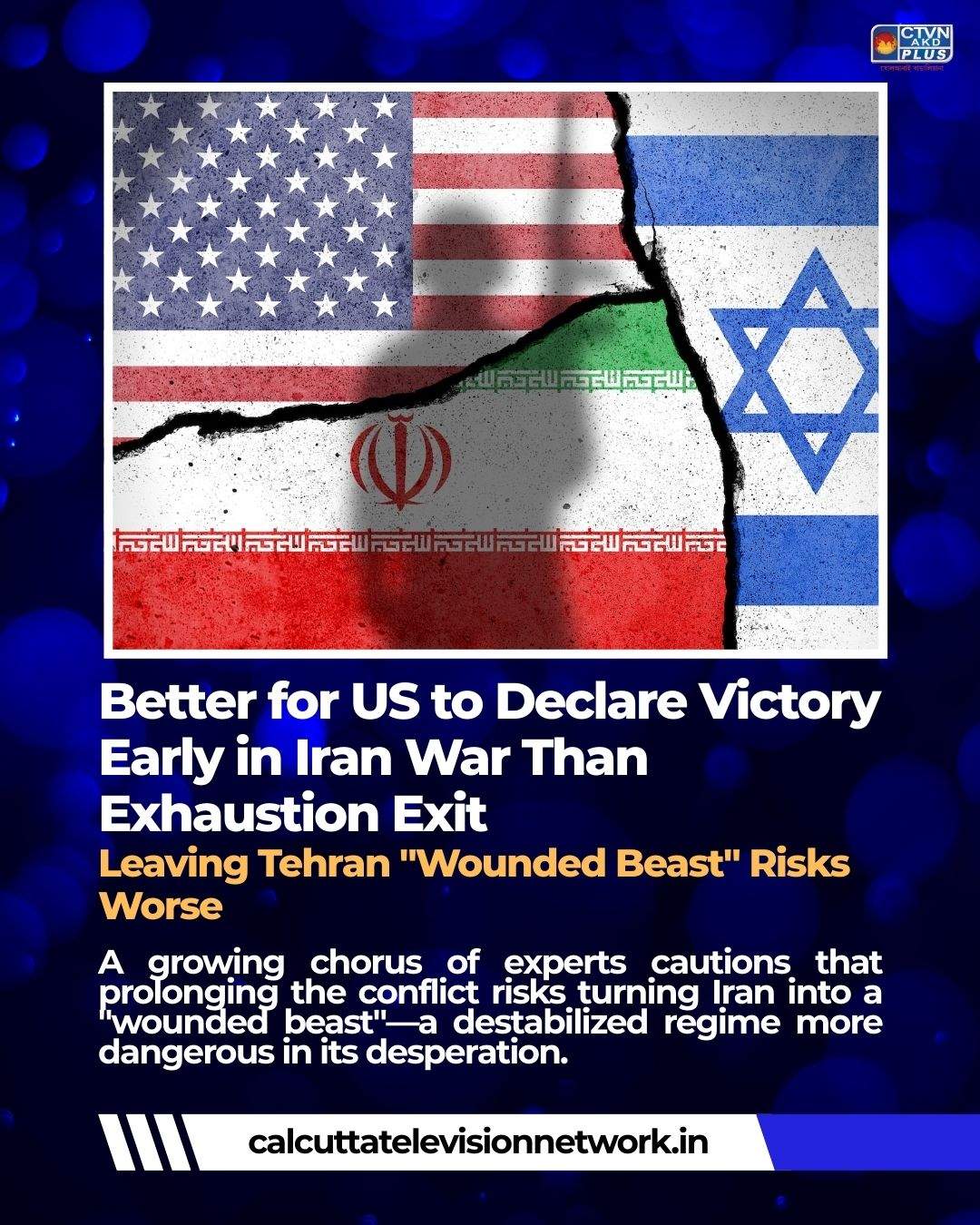
Tehran Thanks Riyadh for Blocking US Bases – Saudi Neutrality Shakes Coalition as Iran War Spirals into Global Chaos
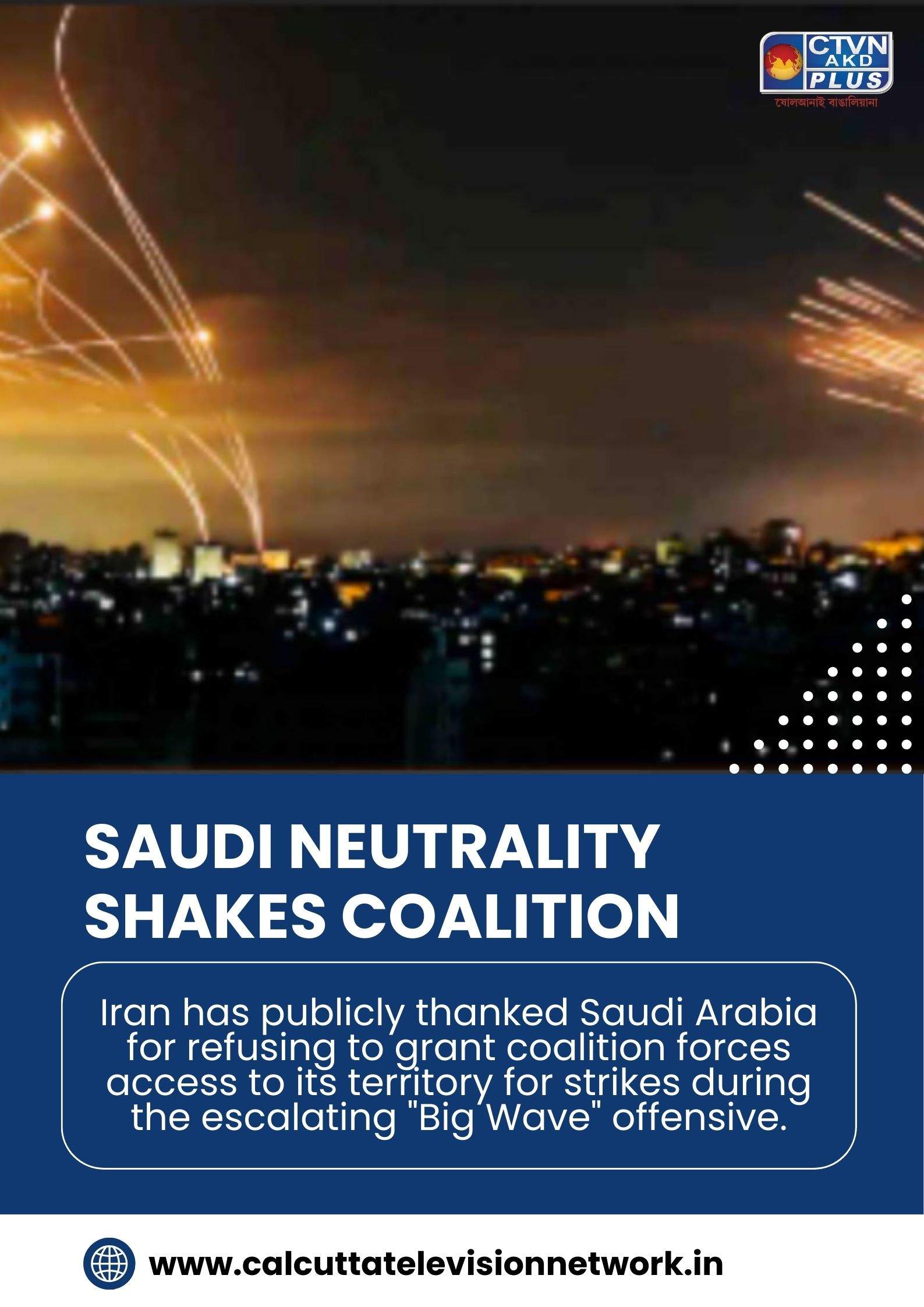
In an extraordinary diplomatic twist, Iran has publicly thanked Saudi Arabia for refusing to grant coalition forces access to its territory for strikes during the escalating "Big Wave" offensive. Tehran’s formal statement—broadcast on state media—praised Riyadh’s “principled stance” and “commitment to regional sovereignty,” marking one of the most overt gestures of goodwill between the two historic rivals in decades.
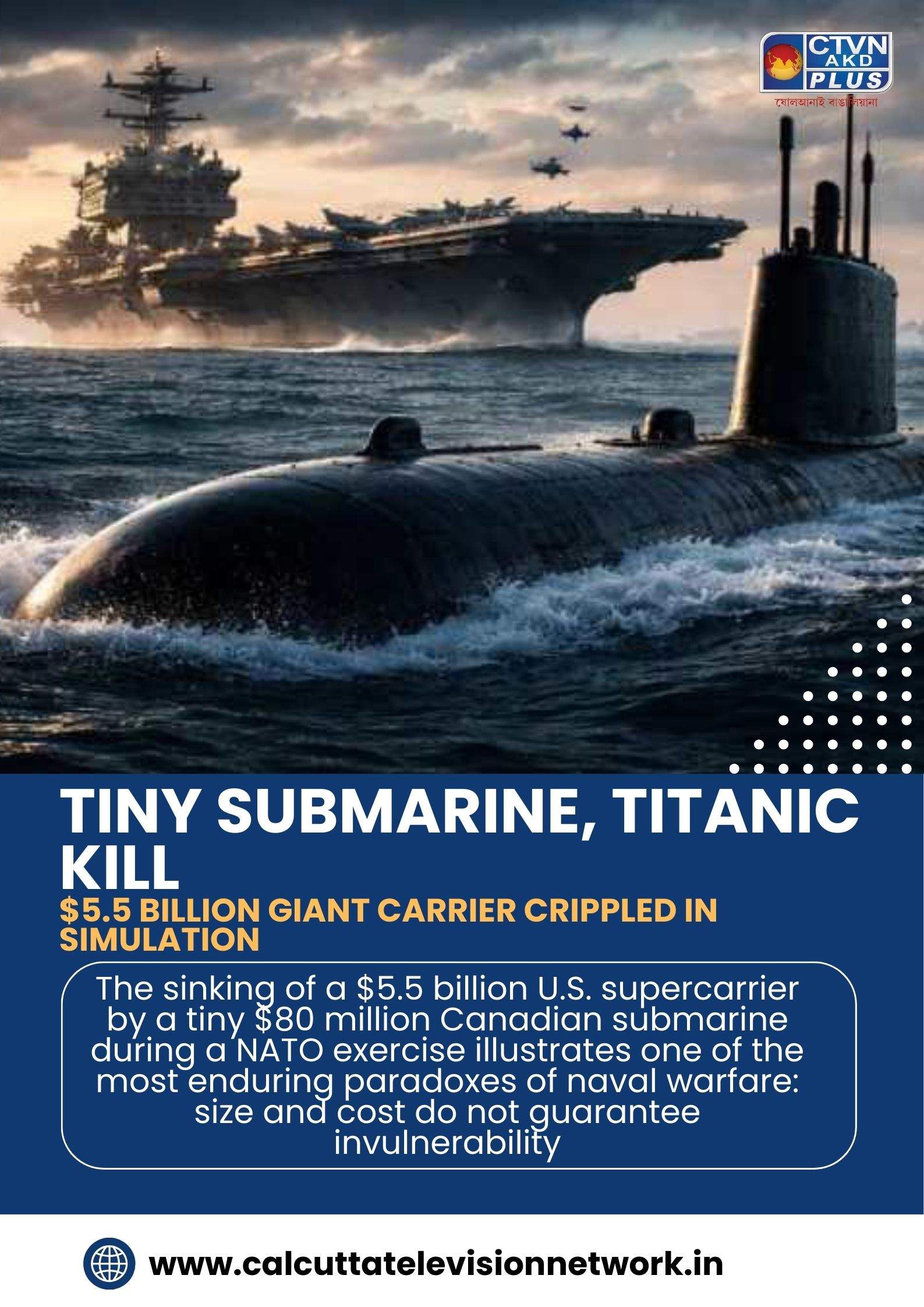
The acknowledgment arrives amid Iran’s mounting naval setbacks, including the reported sinking of a U.S.-flagged oil tanker in the Arabian Sea and a daring missile strike that damaged the USS Abraham Lincoln carrier strike group. Despite U.S. Central Command’s claim of achieving “total air dominance” over Tehran—bolstered by relentless B-2, B-52, and fighter sorties—the coalition faces severe attrition: depleted interceptor stocks, heavy equipment losses, and a desperate request for $50 billion in emergency supplemental funding now before Congress.
Saudi Arabia’s refusal to host operations has severely constrained U.S. logistics, forcing greater reliance on distant bases in the UAE, Qatar (now under emergency lockdown with gas production halted), and Diego Garcia. Qatar’s shutdown has triggered a total collapse in global LNG markets, sending energy prices to record highs and forcing Europe to contemplate resuming Russian gas flows.
The diplomatic landscape grows more fractured: Denmark has joined France, Italy, and Spain in condemning coalition actions as violations of Iranian sovereignty. North Korea’s Kim Jong Un issued a stark nuclear threat, vowing “immediate intervention” if North Korean workers or citizens in Iran are harmed. Russia, meanwhile, is reportedly deploying special forces to “secure” Iranian nuclear facilities against further strikes.
Domestically in the U.S., Congress has voted to block additional offensive operations against Iranian targets, while leaked reports describe some American officers privately framing the conflict in apocalyptic terms as a “divine plan for Armageddon.”
As Tehran and Riyadh exchange diplomatic olive branches, speculation rises: could this unexpected thaw—born of mutual interest in containing the war—pave the way for a broader ceasefire, or is it merely tactical maneuvering in a conflict spiraling toward uncontrollable escalation?