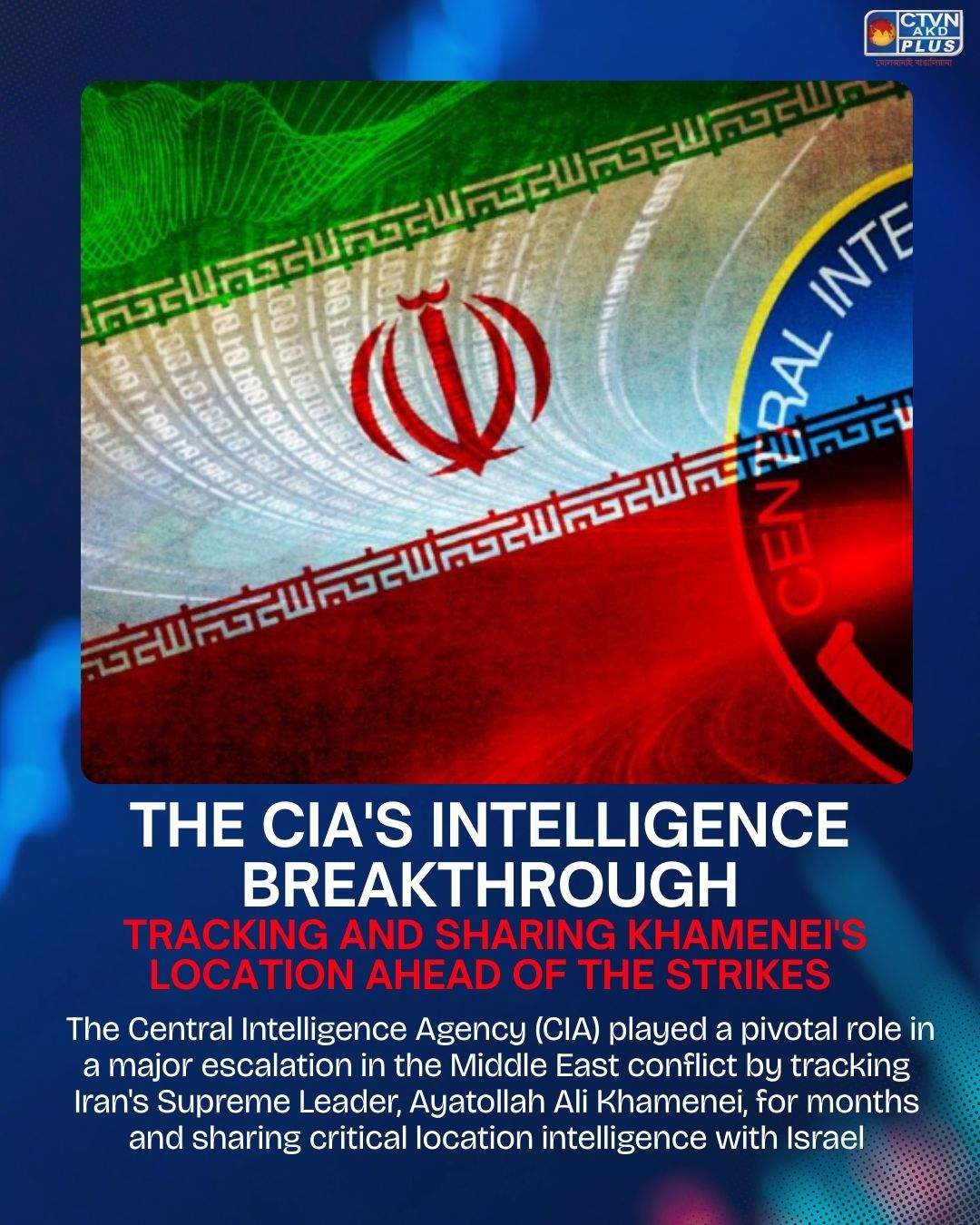
The CIA's Intelligence Breakthrough: Tracking and Sharing Khamenei's Location Ahead of the Strikes
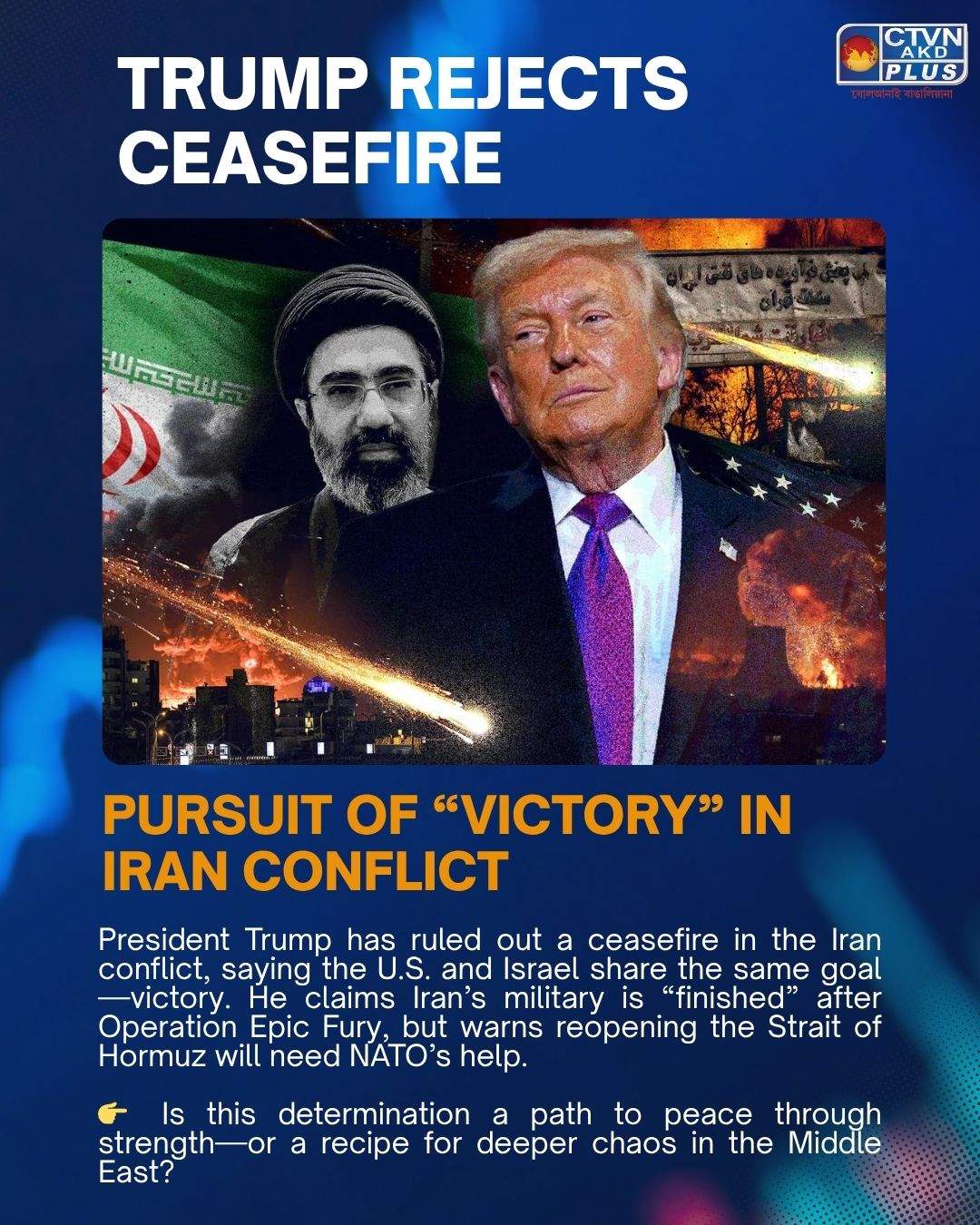
According to a recent report in The New York Times, the Central Intelligence Agency (CIA) played a pivotal role in a major escalation in the Middle East conflict by tracking Iran's Supreme Leader, Ayatollah Ali Khamenei, for months and sharing critical location intelligence with Israel. This information enabled precise strikes on a Tehran compound where Khamenei and other top Iranian officials had gathered, resulting in their deaths and marking a dramatic turning point in U.S.-Israeli operations against Iran.
The CIA had been monitoring Khamenei's movements and patterns over an extended period, building increasing confidence in its assessments of his whereabouts. The breakthrough came when the agency obtained reliable intelligence about a high-level meeting scheduled for Saturday morning at a secure leadership compound in central Tehran. Crucially, this confirmed Khamenei's personal attendance, providing what sources described as "high fidelity" data on his position. Rather than proceeding with an initial plan for nighttime strikes under cover of darkness, U.S. and Israeli forces adjusted their timeline to exploit this rare opportunity, launching Israeli airstrikes in the morning that achieved immediate and devastating impact.
This episode underscores the depth of intelligence cooperation between the United States and Israel, reflecting long-standing alliances in countering Iranian threats. The sharing of such sensitive, real-time information highlights advanced surveillance capabilities—likely involving a mix of human sources, signals intelligence, and possibly satellite imagery—that allowed the CIA to pinpoint a heavily guarded figure like Khamenei. Iran's leadership, by convening in one location, inadvertently exposed themselves, revealing vulnerabilities in their security protocols amid heightened tensions.
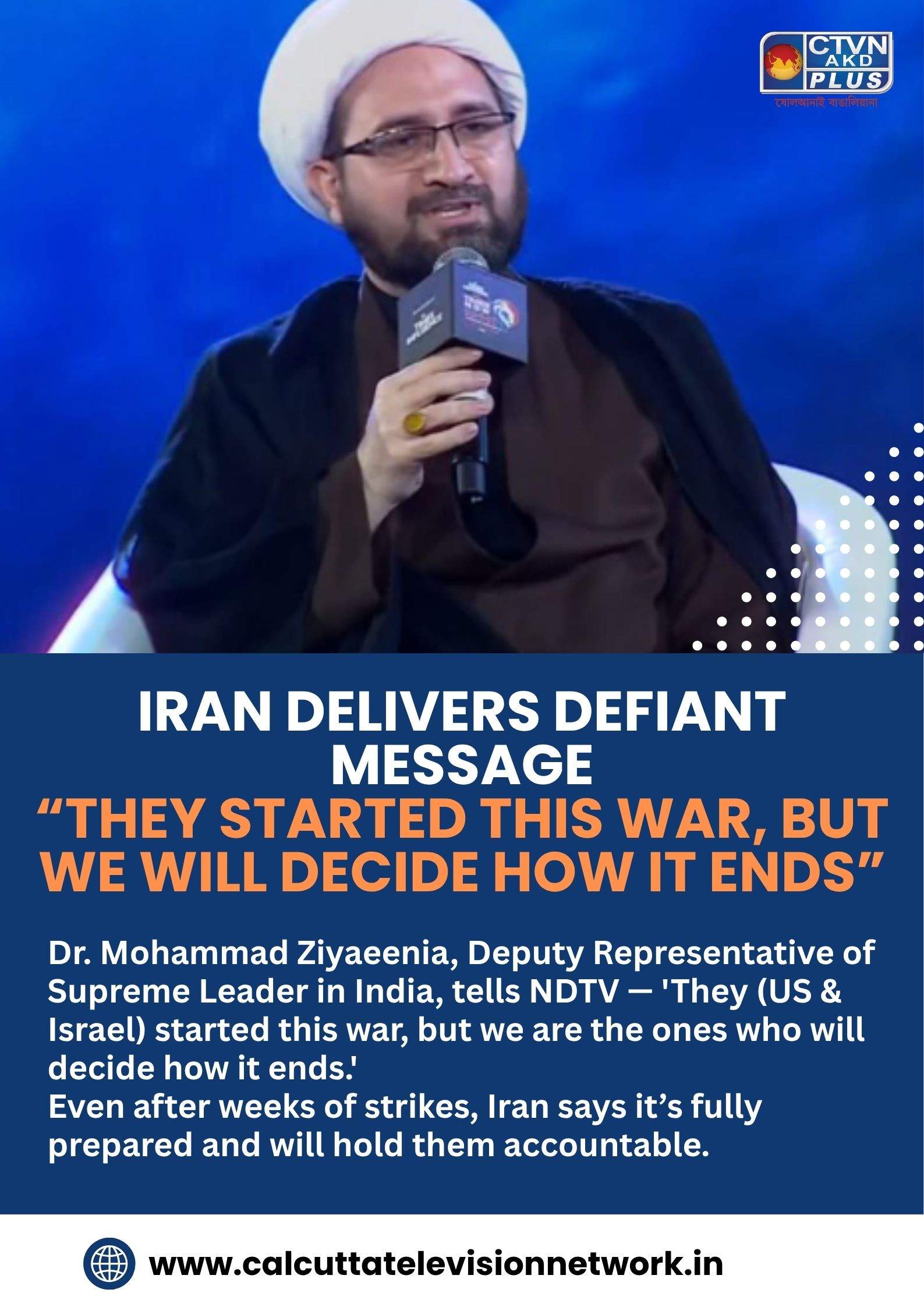
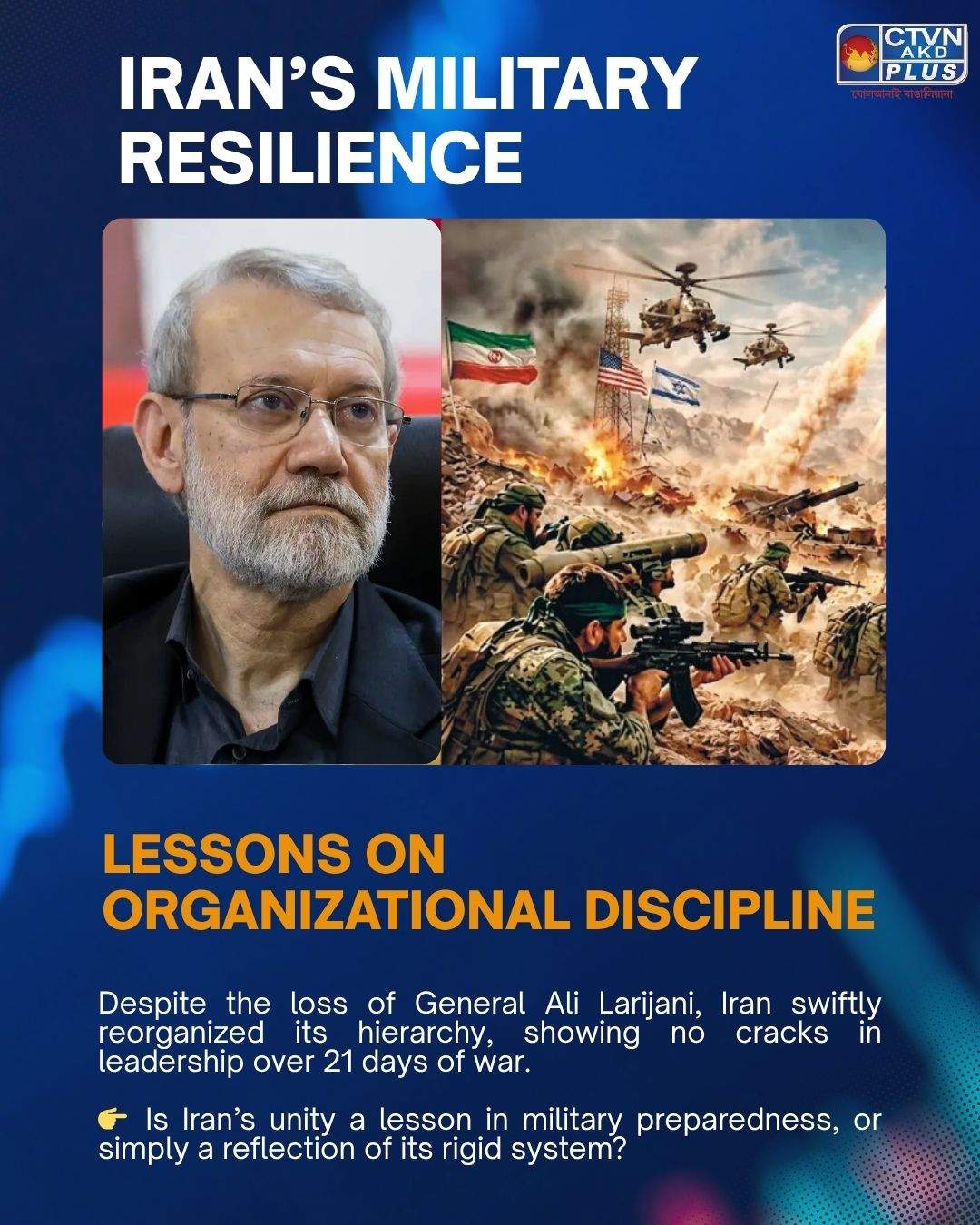
The strikes not only eliminated Khamenei but also several senior officials, disrupting Iran's command structure and prompting vows of severe retaliation from Tehran. This development raises profound questions about escalation risks, regional stability, and the precedents set by targeted killings of state leaders. As the conflict evolves, the CIA's role illustrates how intelligence can decisively shape military outcomes in modern warfare, potentially altering the balance of power in the Middle East for years to come.