Russia's Daring Greenland Gambit: Offering Troops to Shield Europe from U.S. Ambitions
Russia's Daring Greenland Gambit: Offering Troops to Shield Europe from U.S. Ambitions
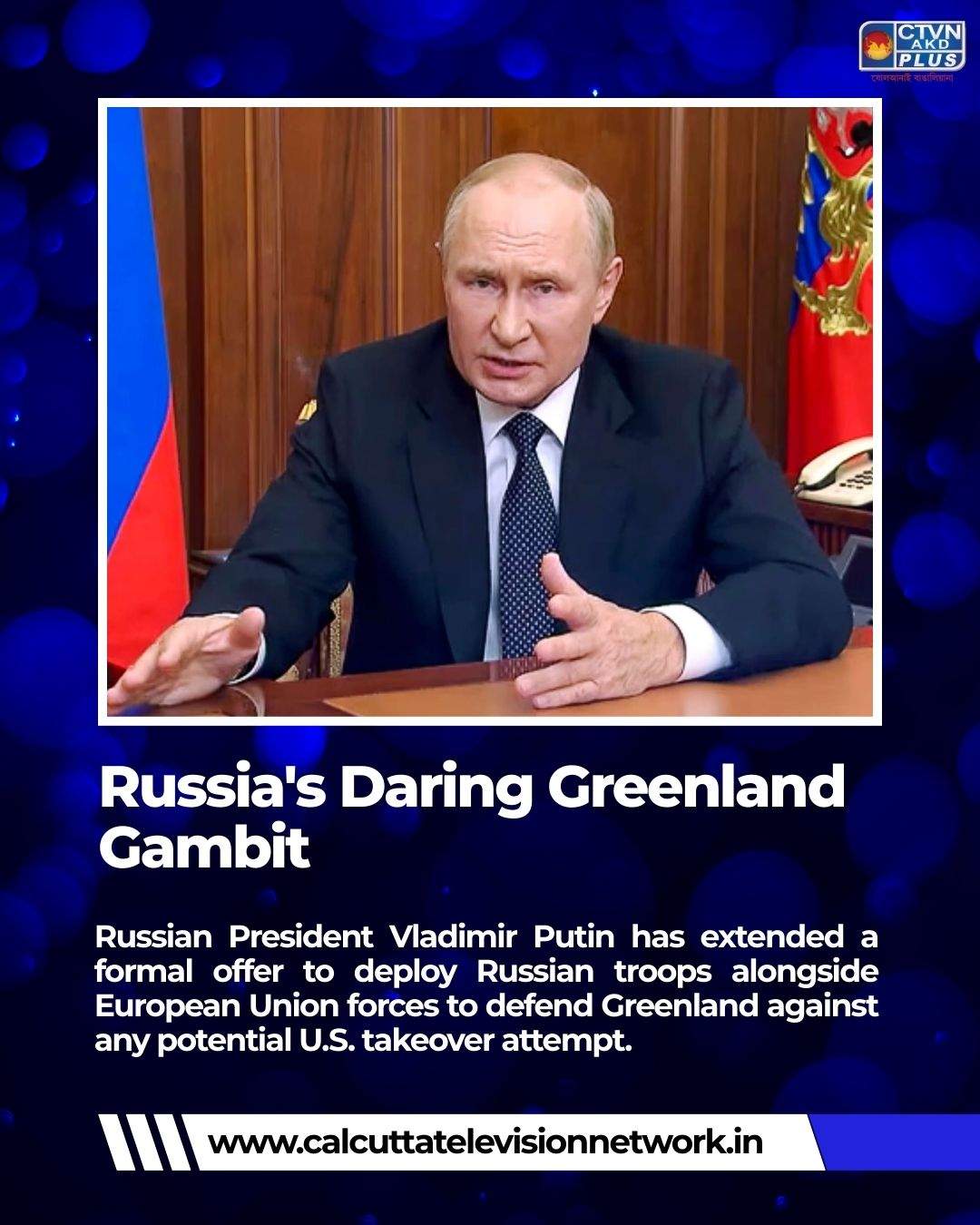
In a breathtaking reversal of Cold War-era dynamics, Russian President Vladimir Putin has extended a formal offer to deploy Russian troops alongside European Union forces to defend Greenland against any potential U.S. takeover attempt. Framed as an act of "solidarity with European sovereignty" and respect for Denmark's territorial integrity, the proposal was announced through Kremlin channels on January 19, 2026, amid the intensifying Greenland Crisis.
This move masterfully exploits the transatlantic fractures created by President Donald Trump's tariffs (10% immediate, rising to 25% by June 1) and demands for Greenland's "complete and total purchase." Putin positions Russia not as Europe's adversary but as its protector against American "expansionism," echoing his recent pivot to targeting the "Rothschild/banking elite" rather than European nations themselves. By offering military support—potentially including Arctic-specialized units—Moscow aims to drive a permanent wedge into NATO, forcing Brussels into an impossible choice: endure economic devastation from U.S. coercion or accept Russian boots on the ground in the High North.
The optics are devastating for Washington. A joint EU-Russian defensive front in the Arctic would represent the ultimate nightmare scenario, turning historic enemies into reluctant partners against a former ally. European leaders remain deeply divided—France pushes aggressive countermeasures via the Anti-Coercion Instrument, while Germany has already withdrawn its token forces to safeguard exports. Denmark, backed by the UK and remaining Nordics, has so far rejected any Russian involvement, emphasizing NATO unity.
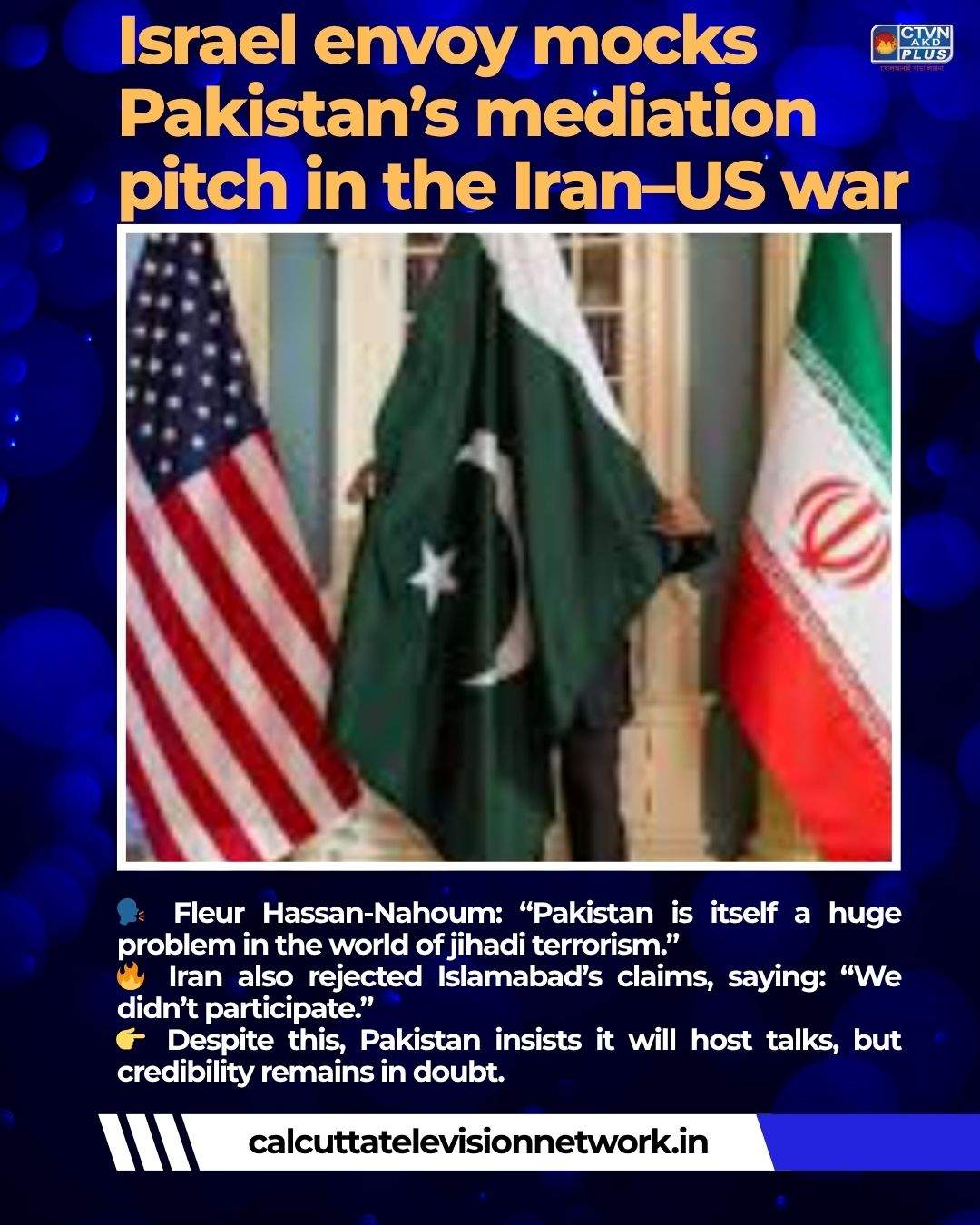
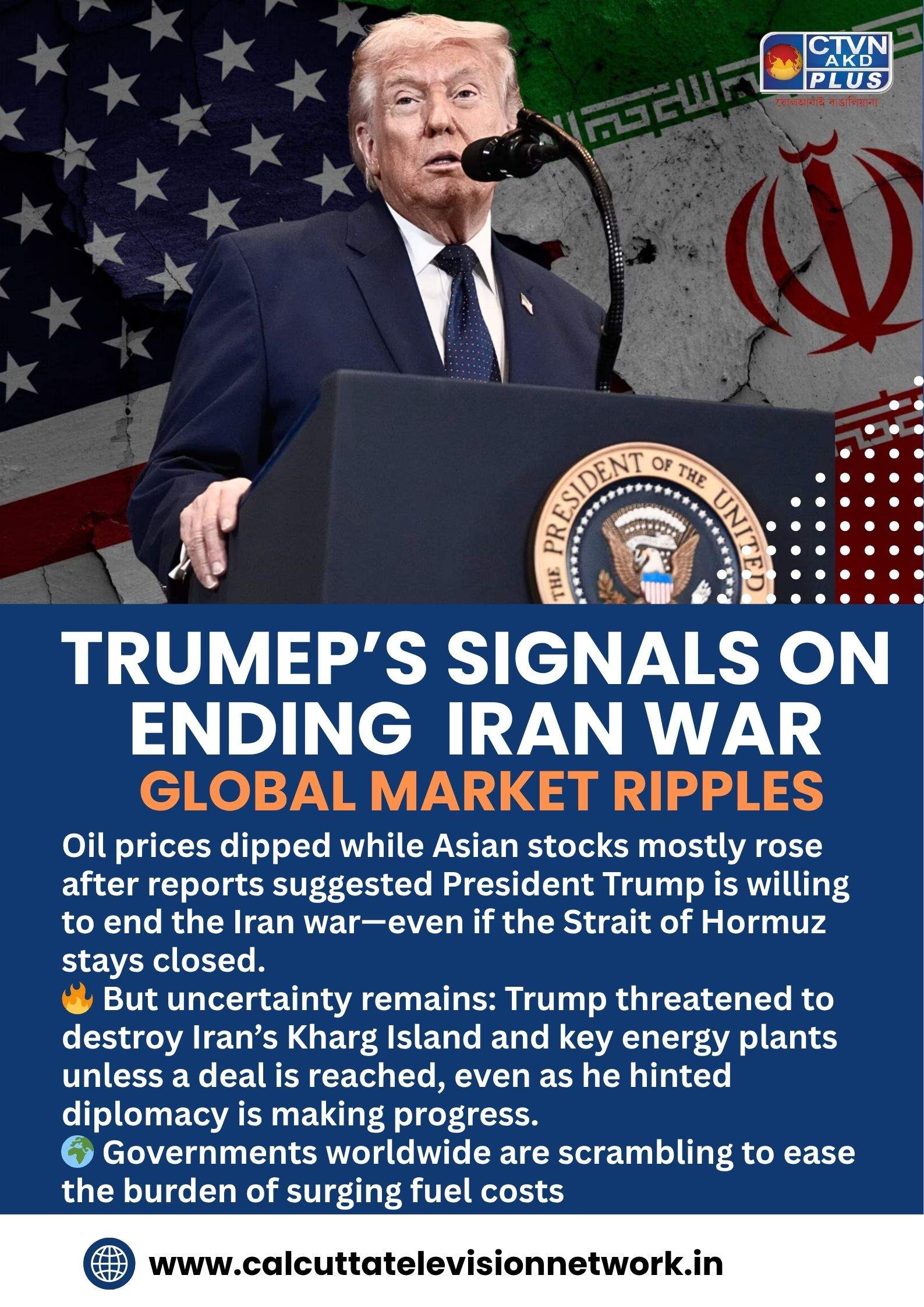
Yet the offer underscores how far the crisis has pushed Europe: from symbolic troop deployments to contemplating the unthinkable. Here are conceptual visuals illustrating the potential realignment:
As emergency EU summits convene and tariffs loom, Putin's outreach could accelerate NATO's unraveling—or force a desperate reaffirmation of transatlantic bonds. Either way, the "Greenland Crisis" has entered uncharted territory, where old enmities dissolve under the pressure of new threats.