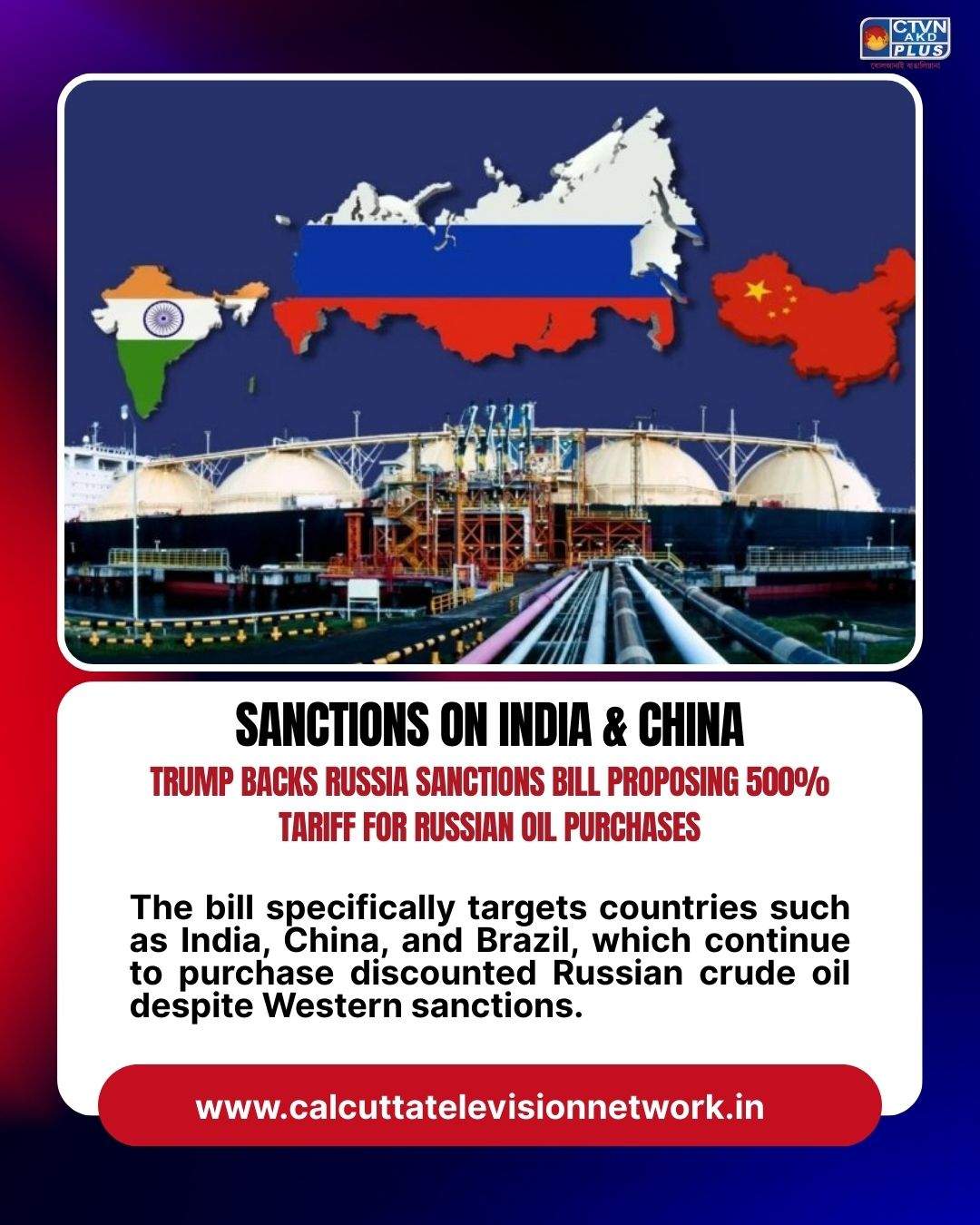
Trump Backs Russia Sanctions Bill Proposing 500% Tariff on India and China
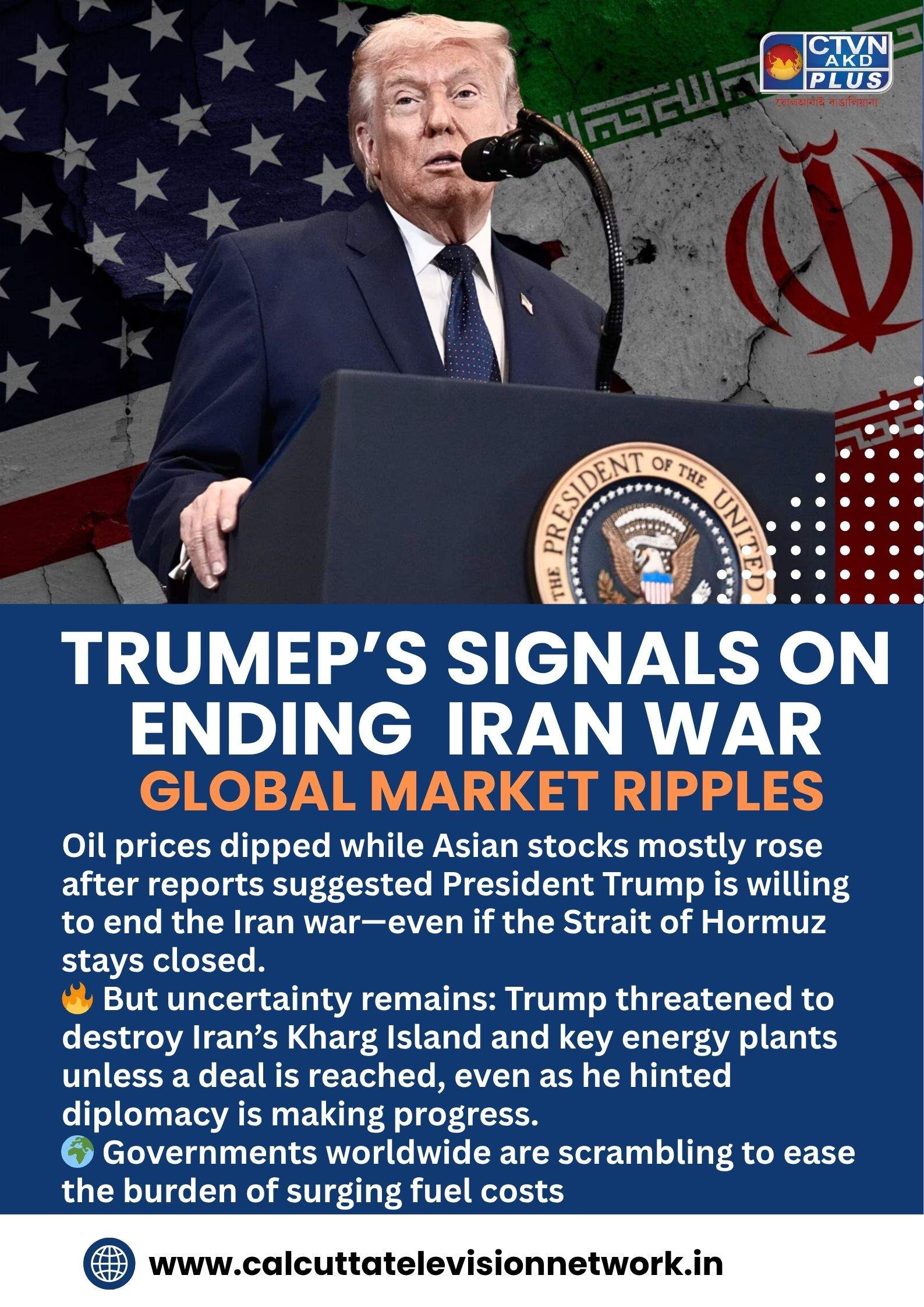
US President Donald Trump has endorsed a sweeping bipartisan sanctions bill that dramatically escalates Washington’s economic pressure on Russia. The legislation, championed by Senator Lindsey Graham, proposes imposing tariffs of at least 500 percent on all Russian imports into the United States. This unprecedented measure is designed not only to punish Moscow for its ongoing war in Ukraine but also to deter other nations from sustaining Russia’s energy revenues.
The bill specifically targets countries such as India, China, and Brazil, which continue to purchase discounted Russian crude oil despite Western sanctions. According to its proponents, these purchases indirectly finance Russia’s military campaign, undermining global efforts to isolate the Kremlin. By threatening punitive trade measures, the United States seeks to leverage its economic power to discourage these nations from deepening energy ties with Moscow.
Supporters argue that the legislation sends a strong signal of American resolve, demonstrating that Washington is prepared to use aggressive economic tools to weaken Russia’s war machine. They contend that the extraordinary tariff level would make Russian goods prohibitively expensive, effectively cutting off a major revenue stream for the Kremlin.
Critics, however, warn that such sweeping measures could trigger unintended consequences. Countries like India and China are vital trading partners for the United States, and penalizing them for their energy choices risks straining diplomatic relations. Moreover, the global oil market could face volatility if large importers are pressured to shift away from Russian supplies abruptly.
Ultimately, the proposed sanctions bill reflects Washington’s determination to escalate pressure on Russia while signaling to the international community that continued support for Moscow carries significant costs. Whether this bold move will succeed in reshaping global energy dynamics or provoke backlash among key partners remains a critical question for the months ahead.