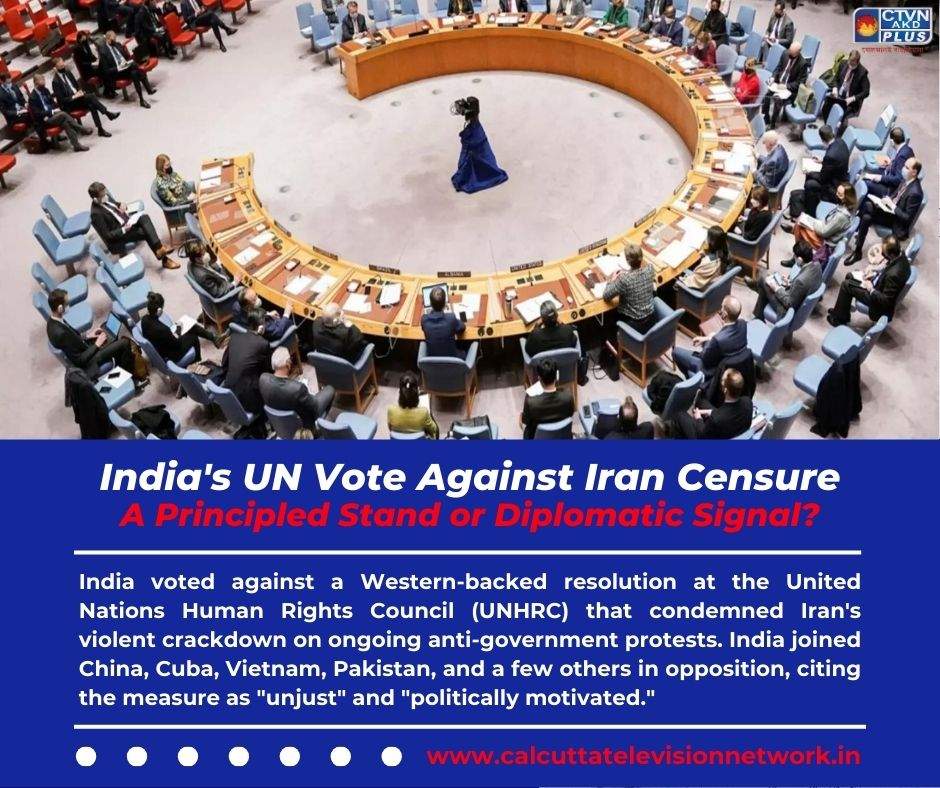
India's UN Vote Against Iran Censure: A Principled Stand or Diplomatic Signal?
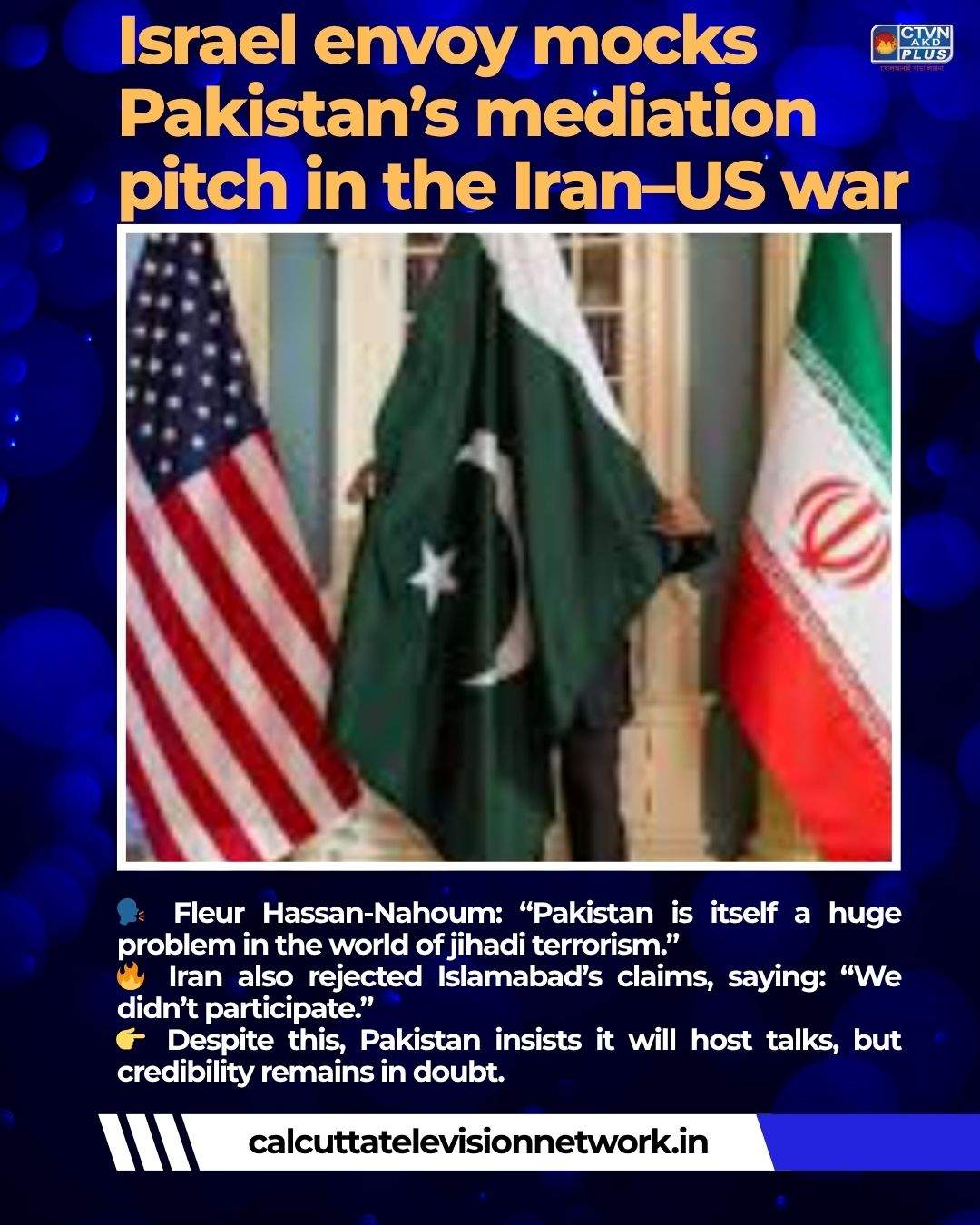
India voted against a Western-backed resolution at the United Nations Human Rights Council (UNHRC) that condemned Iran's violent crackdown on ongoing anti-government protests. The resolution, which passed with 25 votes in favor, 7 against, and 14 abstentions, expressed strong concern over the regime's use of lethal force, mass arrests, and internet restrictions, resulting in thousands of reported deaths. India joined China, Cuba, Vietnam, Pakistan, and a few others in opposition, citing the measure as "unjust" and "politically motivated."
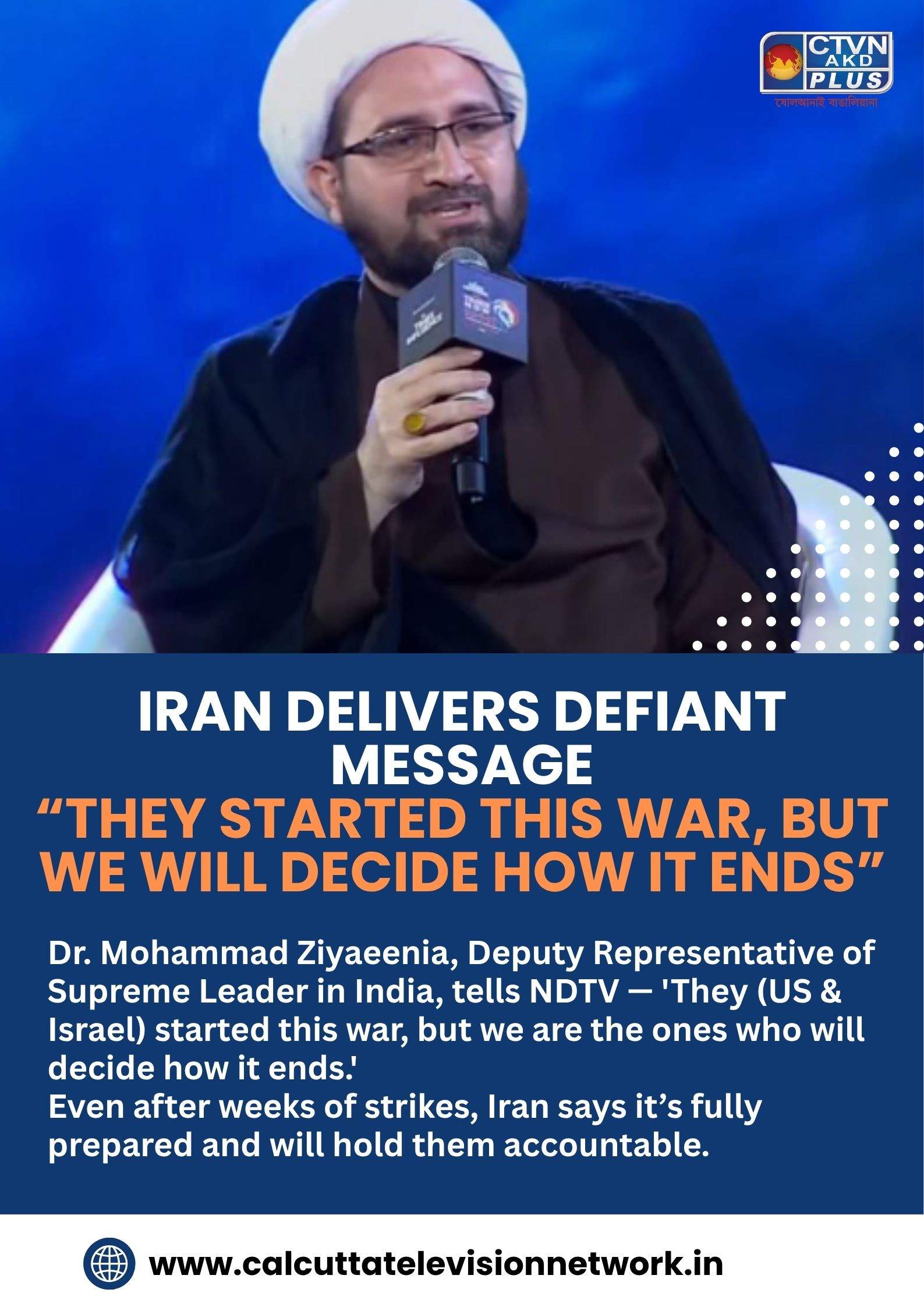
Iran's Ambassador to India, Mohammad Fathali, promptly thanked New Delhi for its "principled and firm support," describing the vote as reflecting India's commitment to justice, sovereignty, and non-interference in internal affairs. Tehran framed the outcome as a diplomatic win amid escalating tensions with the US and Israel.
Prominent commentator Salman Nizami amplified this narrative on social media and in videos, hailing India's position as a "big slap" to the United States and Pakistan. In posts and clips circulating widely on platforms like Facebook, Instagram, and X (formerly Twitter), Nizami praised India for standing with Iran against Western pressure—particularly amid US threats of military action and tariffs—while criticizing Pakistan for allegedly aligning with the US and Israel. He described the vote as a "befitting reply" to Trump's policies and a show of solidarity with Iran's leadership.
The decision aligns with India's longstanding foreign policy of non-alignment, opposition to selective human rights scrutiny, and balancing relations with multiple powers. New Delhi has maintained strategic ties with Iran (including energy and Chabahar port cooperation) while deepening engagement with the US. The vote comes against the backdrop of Iran's internal unrest and US naval deployments, where India has avoided direct condemnation of Tehran.
Critics argue the stance risks straining ties with Western partners at a time of global realignments, while supporters see it as consistent defense of sovereignty principles. Pakistan's opposition to the resolution drew less attention in pro-Iran narratives, despite shared voting. As protests in Iran continue and geopolitical pressures mount, India's position underscores its independent approach in a polarized international landscape.