The Crisis of Conduct in India's Parliament
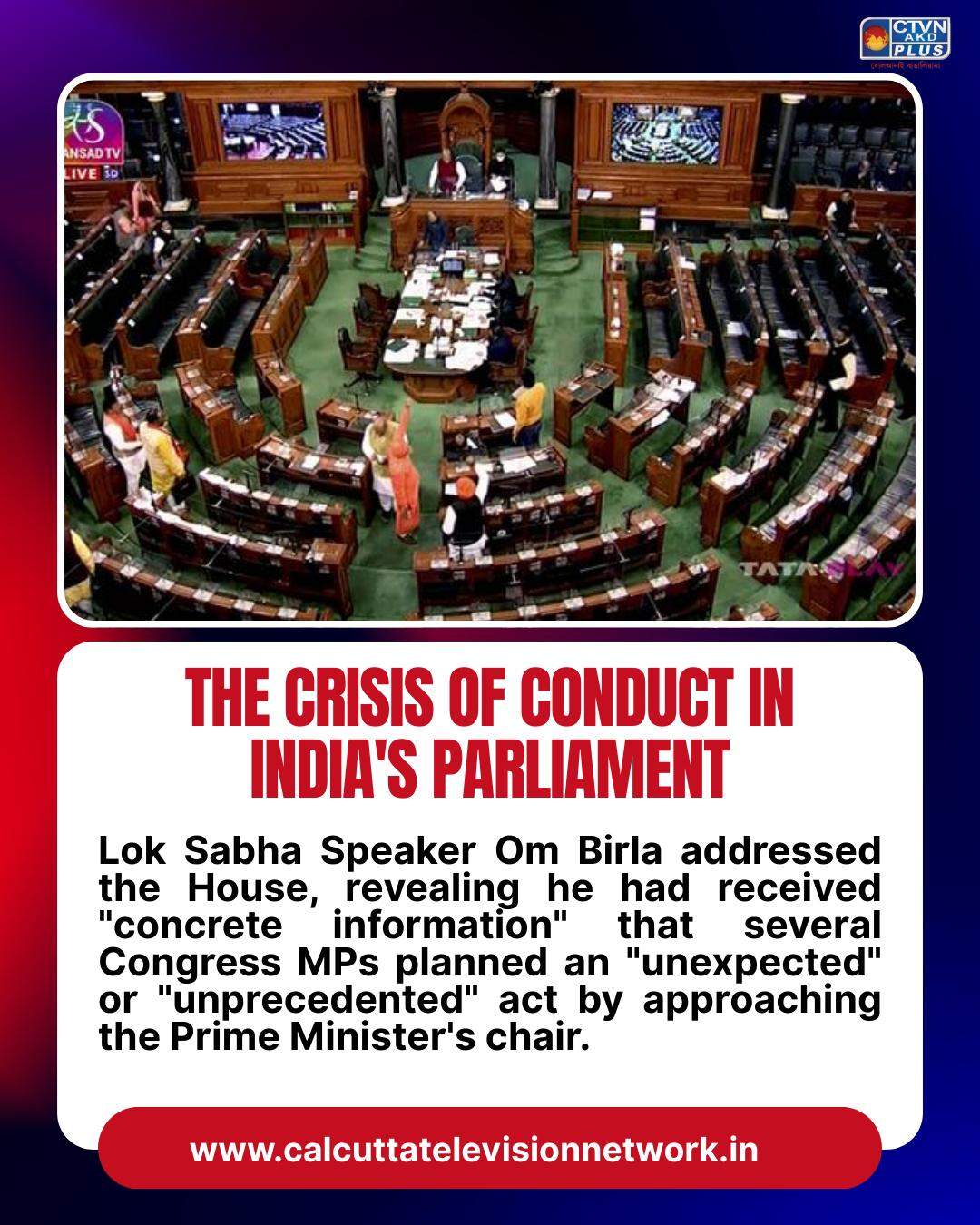
The recent events in the Lok Sabha during the Budget Session of 2026 have exposed a troubling low in parliamentary decorum and heightened political polarization. On February 4, 2026, amid disruptions over issues including references to an unpublished memoir by former Army Chief General M.M. Naravane, opposition Congress MPs entered the Well of the House, approached Prime Minister Narendra Modi's seat with banners, and created chaos that led to multiple adjournments. The Prime Minister's customary reply to the Motion of Thanks on the President's Address was notably absent in the Lok Sabha.
The following day, February 5, Lok Sabha Speaker Om Birla addressed the House, revealing he had received "concrete information" that several Congress MPs planned an "unexpected" or "unprecedented" act by approaching the Prime Minister's chair. To prevent any mishap that could tarnish parliamentary traditions and lead to an "unpleasant" or "appalling" situation, Birla personally advised Modi not to attend. He described the prior day's behavior as a "black spot" on Parliament's history and thanked the Prime Minister for agreeing to stay away, allowing the Motion of Thanks to pass via voice vote without his speech (though Modi later spoke in the Rajya Sabha).
This incident sparked sharp reactions. Congress leaders, including Priyanka Gandhi Vadra, dismissed the claims as an "absolute lie," accusing Modi of "hiding behind the Speaker" to avoid scrutiny and questioning the narrative's credibility. Some reports escalated allegations to suggest a potential "physical attack," with sources claiming women MPs might have been used as cover, though Birla's statement focused on averting disorder rather than confirming violence.
Such episodes underscore deeper challenges: frequent adjournments, erosion of debate, and mutual distrust between ruling and opposition benches. Parliament must respond through a balanced approach—tighter security protocols to handle intelligence on disruptions, stricter enforcement of rules against entering the Well or sustained sloganeering (with automatic penalties), and renewed emphasis on immediate dialogue via all-party meetings led by the Speaker. Prioritizing dialogue could rebuild trust and restore functionality, ensuring the House remains a forum for reasoned discourse rather than confrontation. Ultimately, safeguarding democratic traditions demands collective responsibility from all parties to uphold dignity over division