Indian Navy’s 200-Ship Goal
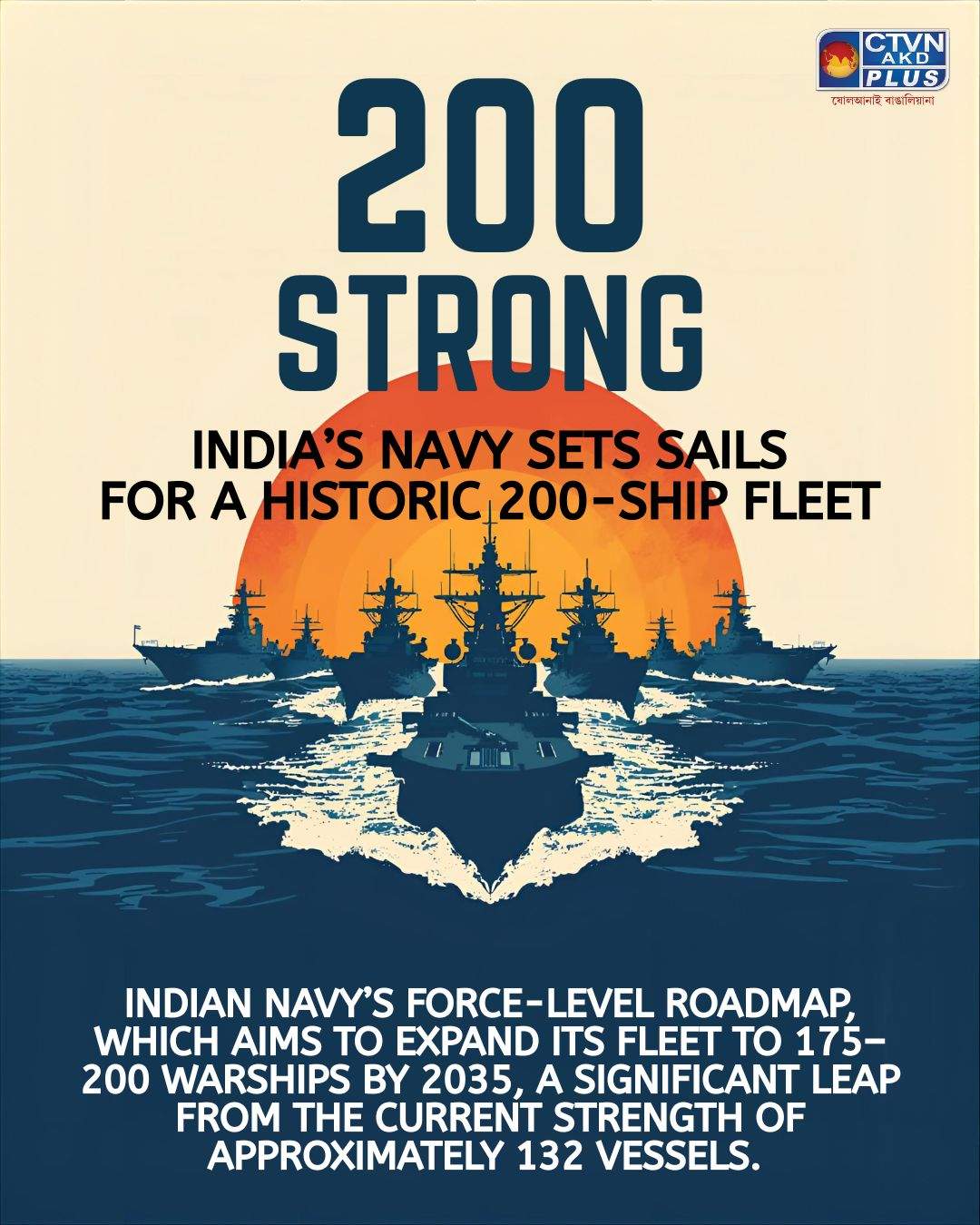
India’s maritime ambitions are entering a decisive phase, driven by a robust shipbuilding cycle and strategic capital expenditure. The government has set its sights on positioning India among the world’s top five shipbuilding nations and transforming the country into a global hub for ship repair over the next decade. This vision is closely tied to the Indian Navy’s force-level roadmap, which aims to expand its fleet to 175–200 warships by 2035, a significant leap from the current strength of approximately 132 vessels.
The momentum behind this expansion is already visible. According to industry estimates, including Krishna Defence, the Navy has 68 warships and vessels under construction, representing an investment of nearly ₹2 lakh crore. This pipeline not only strengthens national security but also ensures sustained demand across India’s maritime ecosystem. Shipyards, component manufacturers, and marine service providers stand to benefit from this long-term build-out, creating a multiplier effect on employment, technology transfer, and industrial capacity.
Beyond naval modernization, India’s port-led development strategy and coastal infrastructure spending are reinforcing this maritime cycle. Investments in dredging, specialized marine construction, and logistics services are creating synergies between defense and commercial sectors. Together, these initiatives enhance India’s ability to project power, secure trade routes, and support the blue economy.
The 200-ship goal is more than a numerical milestone; it symbolizes India’s emergence as a maritime power capable of safeguarding its strategic interests in the Indian Ocean and beyond. By aligning defense modernization with industrial growth, India is laying the foundation for a resilient maritime ecosystem. If execution continues at its current pace, the coming decade could see India not only achieve its naval targets but also establish itself as a global leader in shipbuilding and repair.