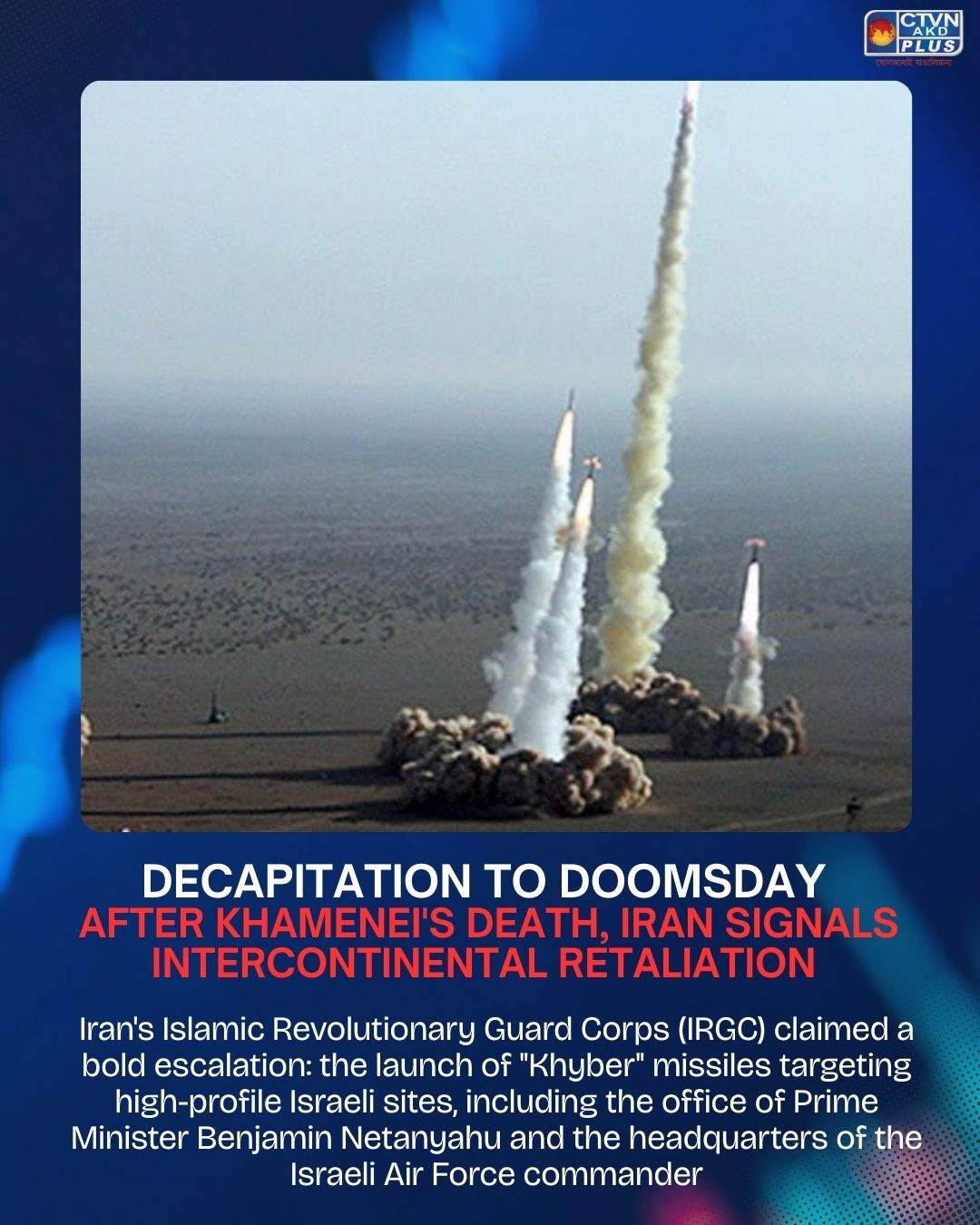
Decapitation to Doomsday: After Khamenei's Death, Iran Signals Intercontinental Retaliation
Decapitation to Doomsday: After Khamenei's Death, Iran Signals Intercontinental Retaliation
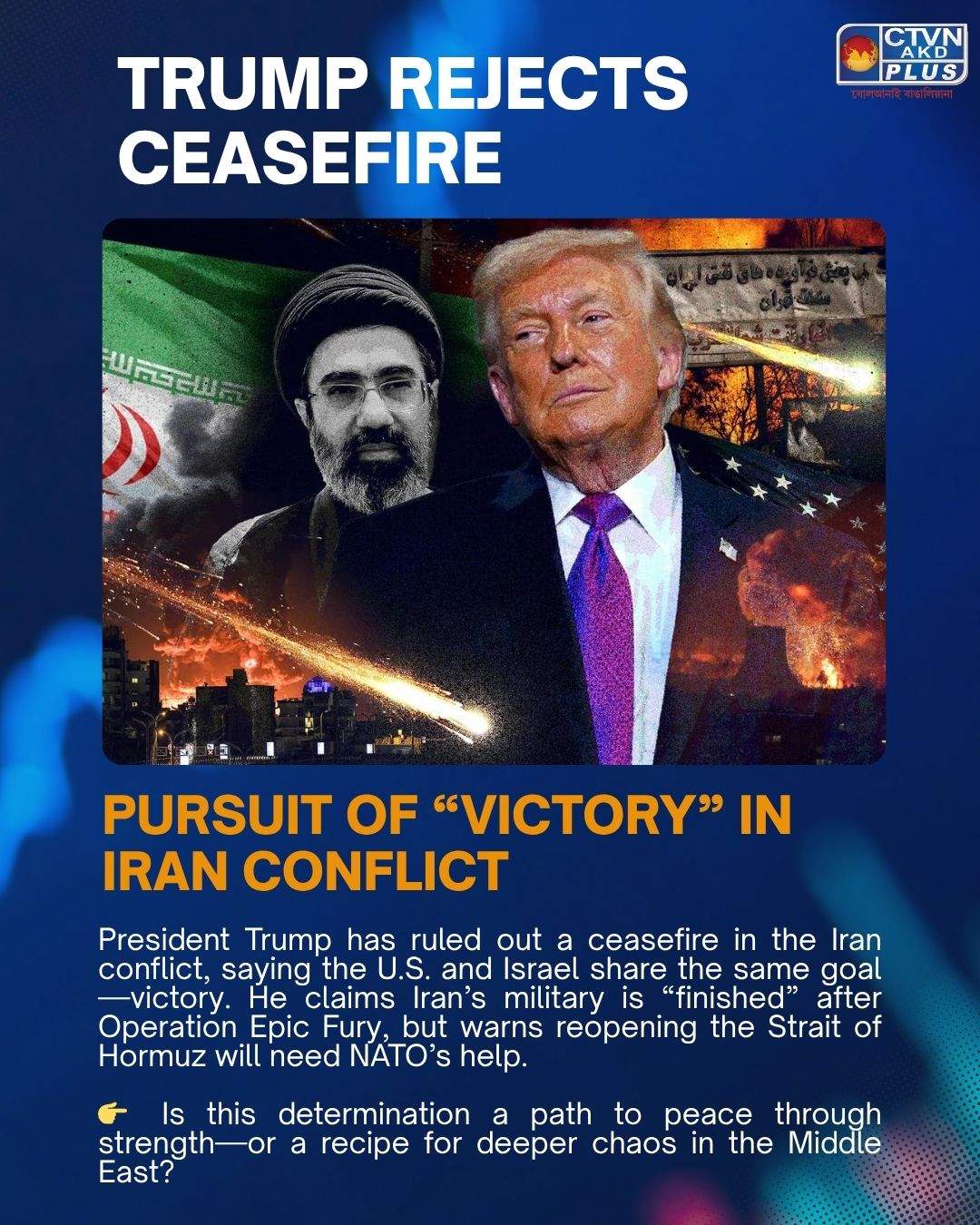
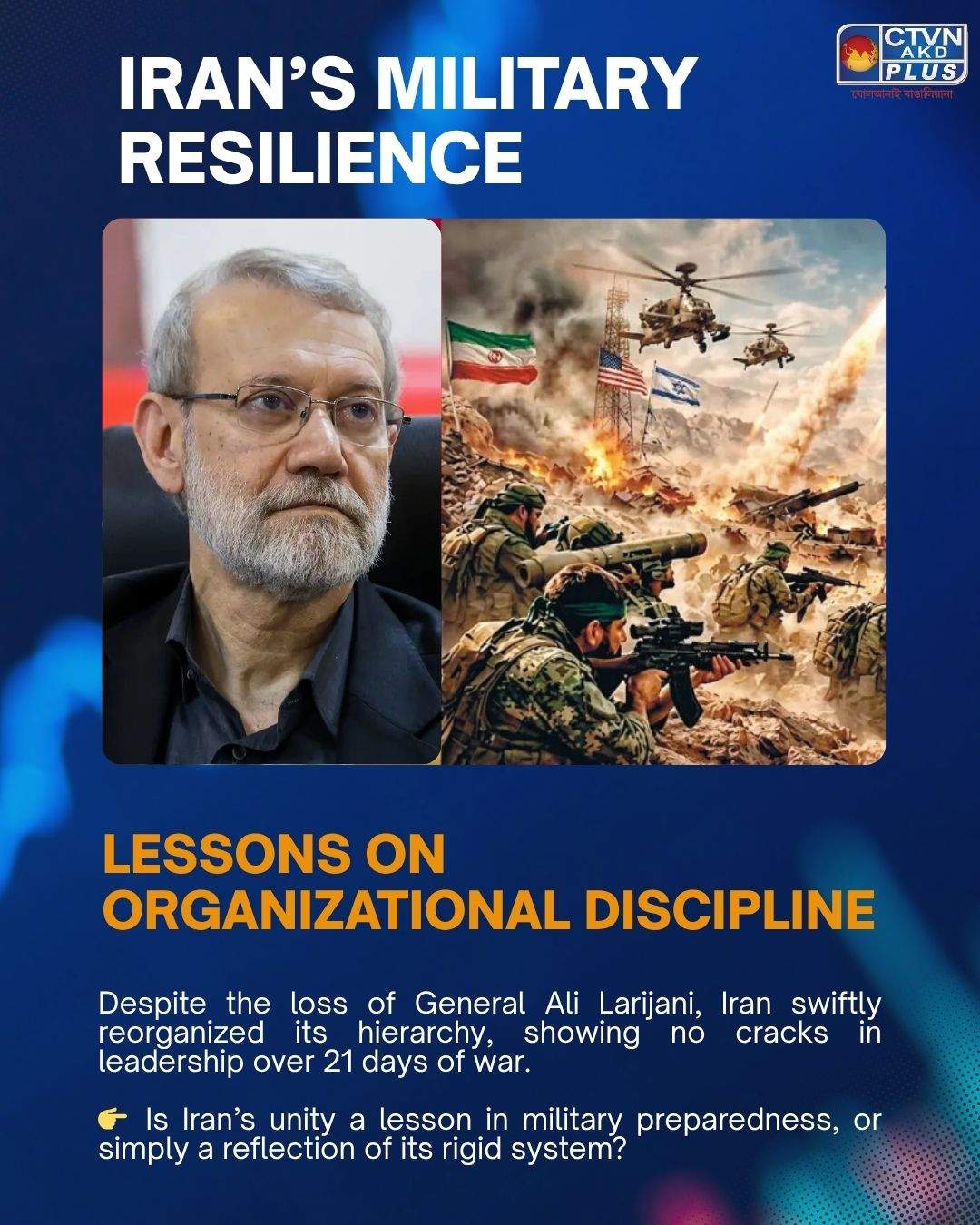
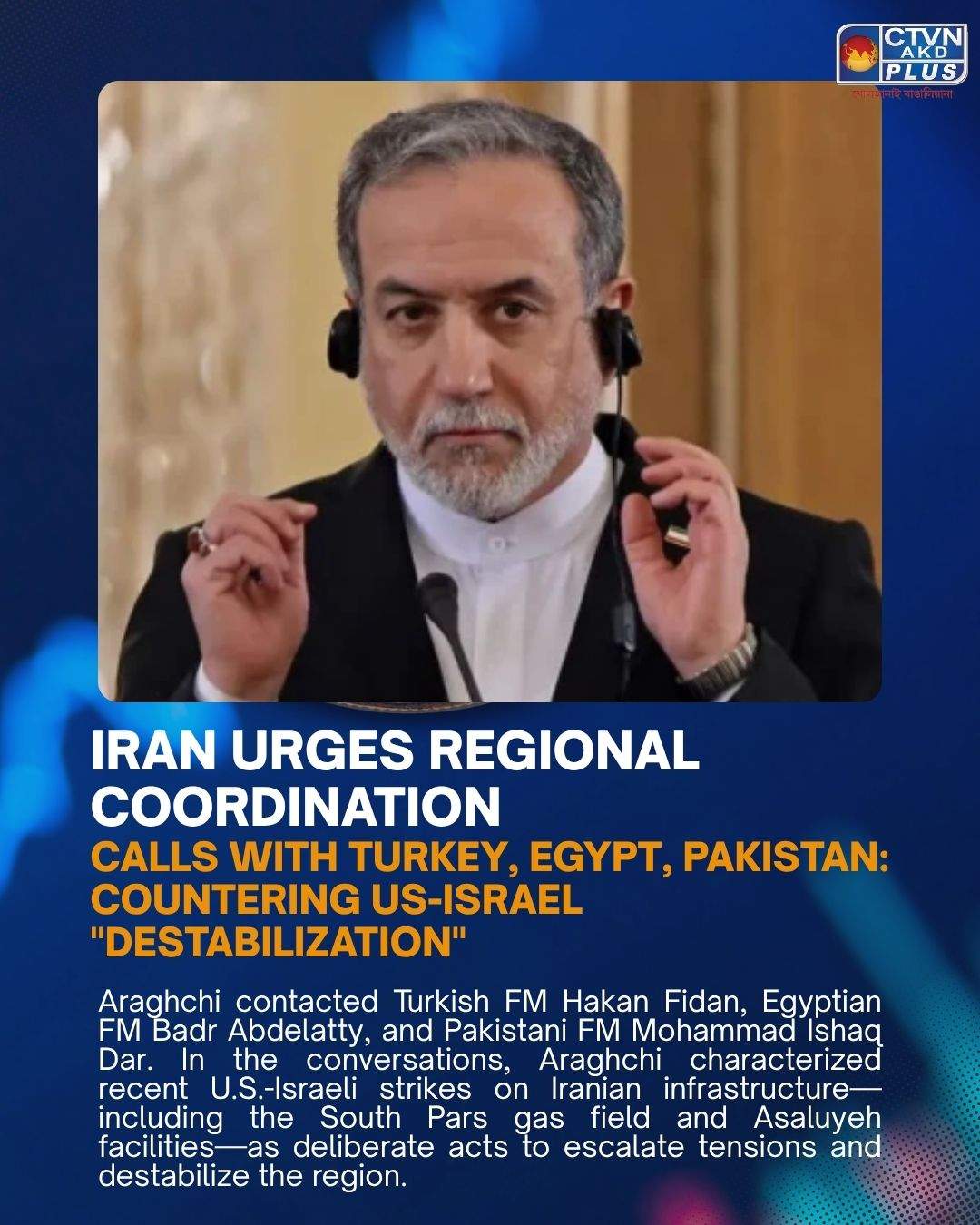
The escalation in the Middle East has reached a critical and perilous phase, marked by the assassination of Iran's Supreme Leader Ayatollah Ali Khamenei in joint U.S.-Israeli strikes on February 28, 2026. These pre-emptive attacks, aimed at degrading Iran's military command, nuclear capabilities, and ballistic missile infrastructure, have triggered a fierce Iranian retaliation, plunging the region into widespread conflict.
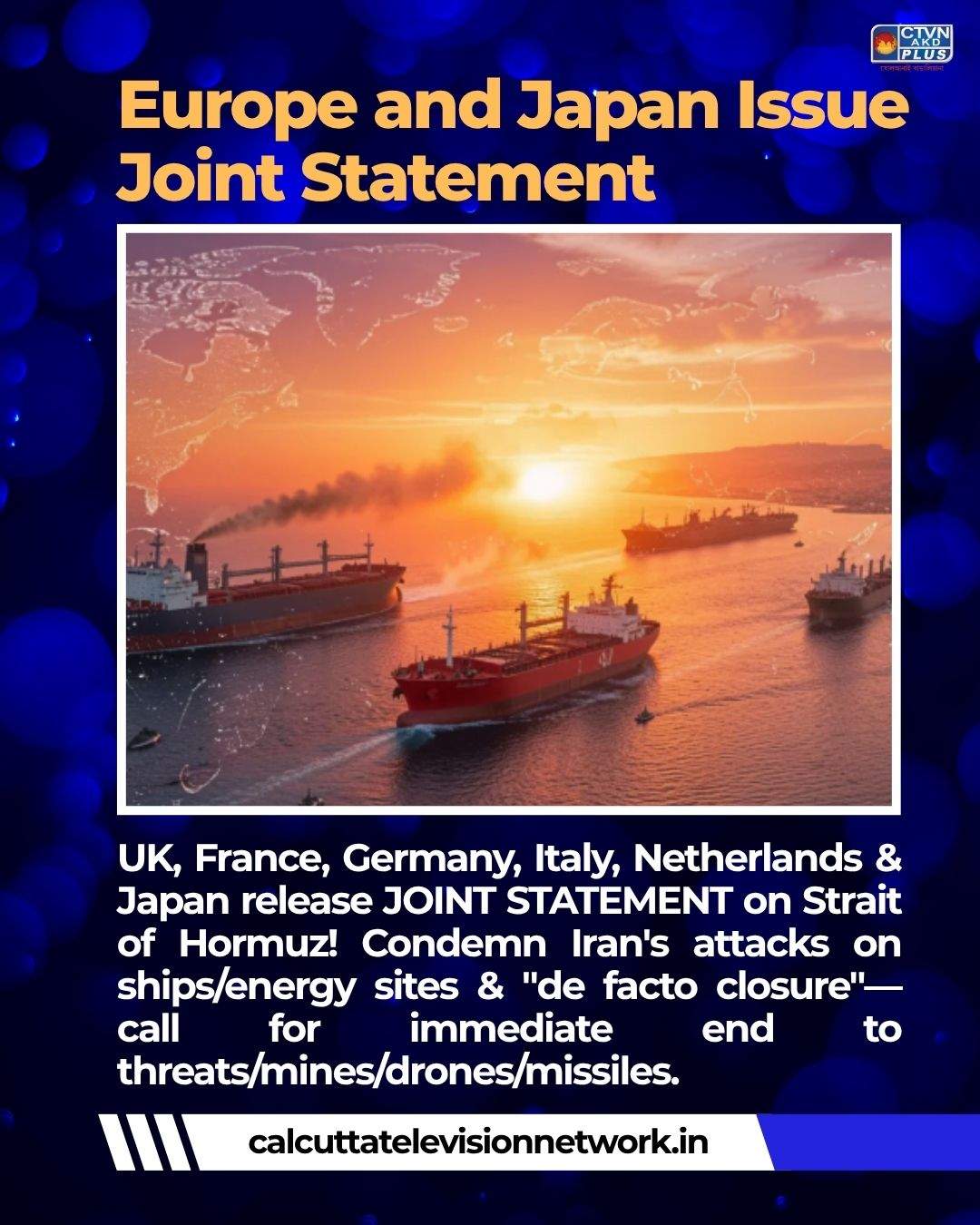
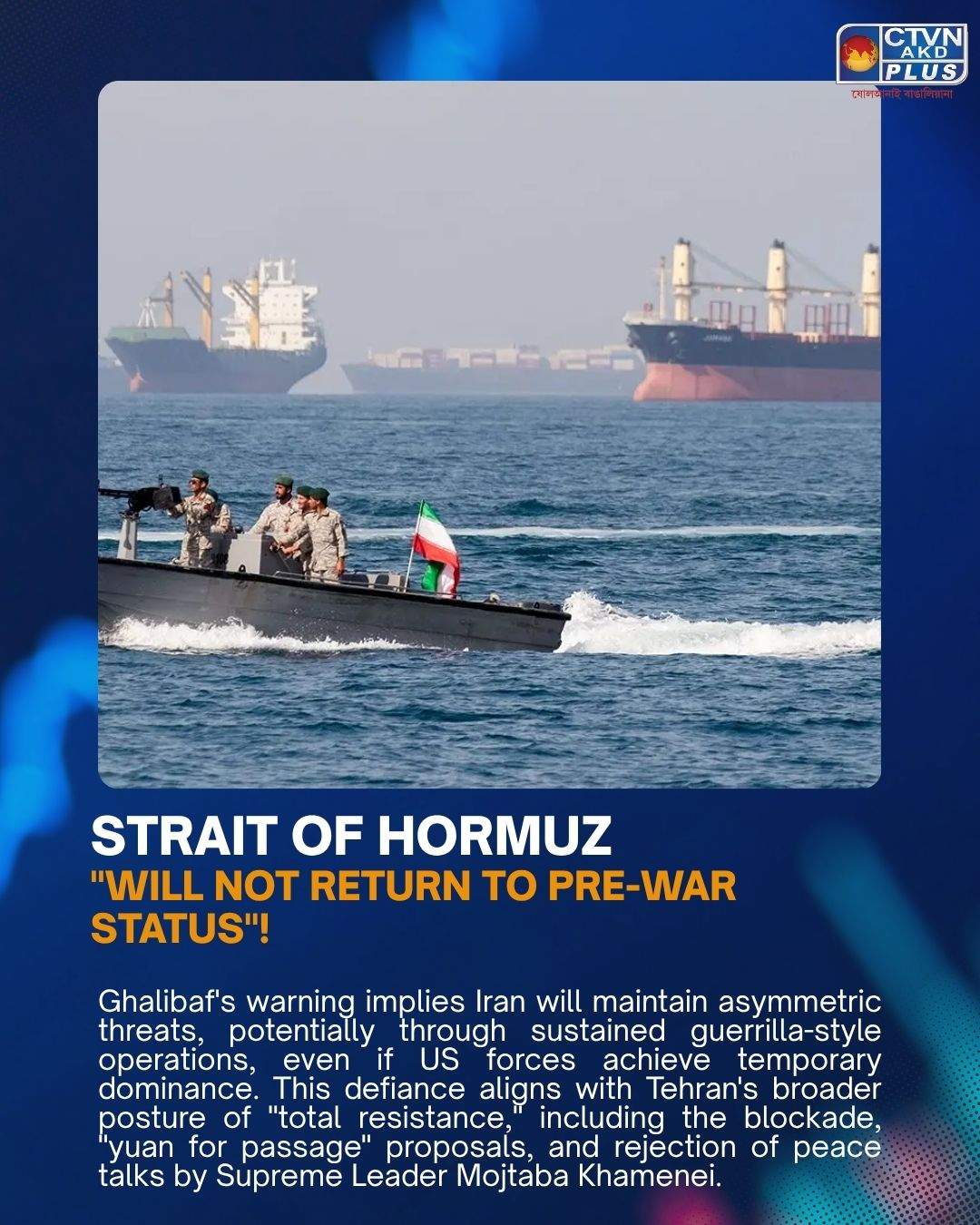
The Islamic Revolutionary Guard Corps (IRGC) has responded aggressively. It announced plans to launch its first intercontinental ballistic missiles (ICBMs) from the Persian Gulf and Gulf of Oman, a significant escalation given Iran's historical focus on shorter-range systems. While experts note Iran lacks a fully operational ICBM capable of reliably striking distant targets like the U.S. homeland, this threat underscores Tehran's intent to project power globally amid the crisis. Concurrently, the IRGC has effectively closed the Strait of Hormuz, a vital chokepoint for global oil shipments, by prohibiting vessel passage and threatening to attack any that attempt transit. This move has disrupted maritime traffic, spiked energy prices, and raised fears of a broader economic shock.
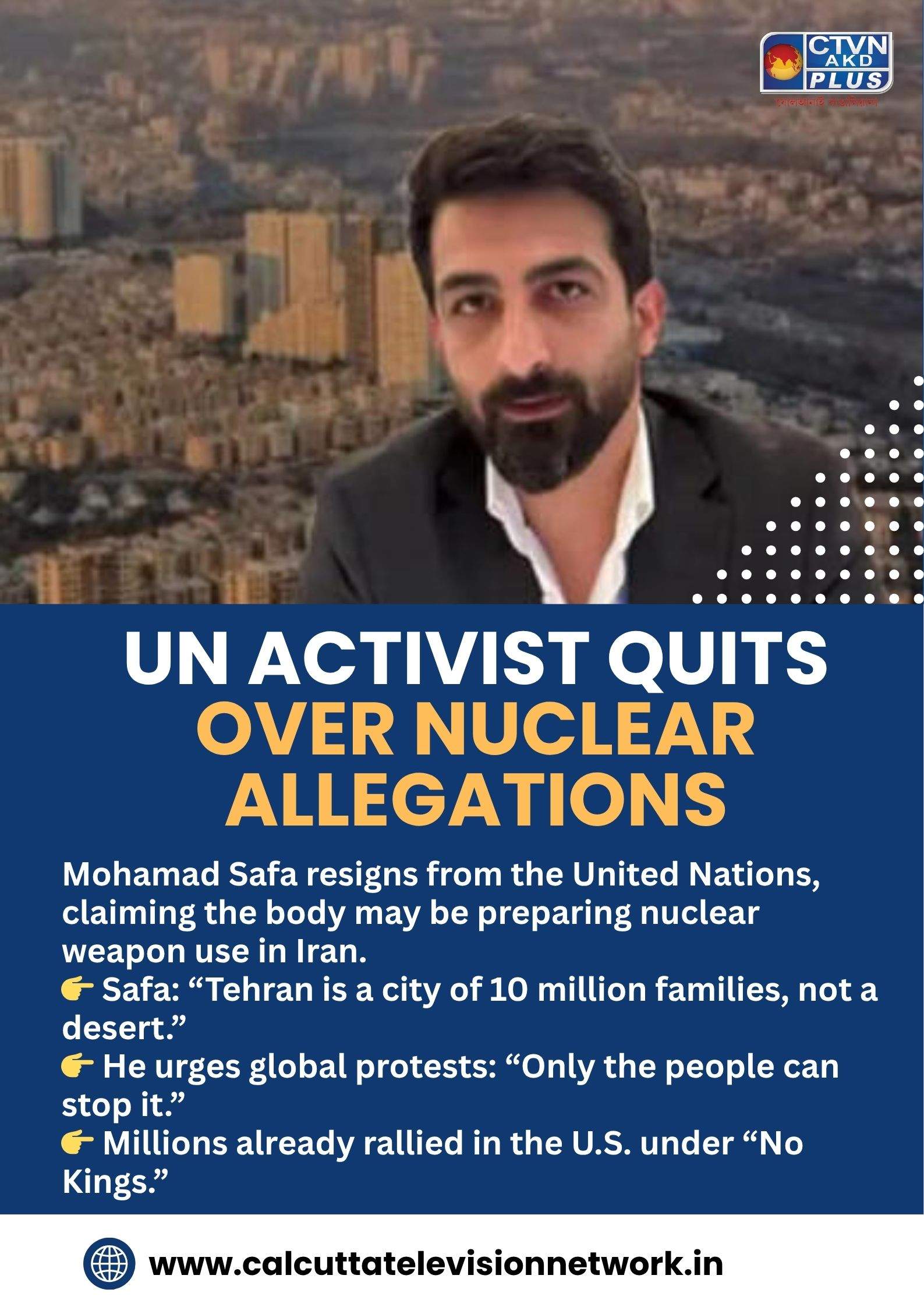
Compounding the chaos, the International Atomic Energy Agency (IAEA) has lost all contact with Iranian nuclear authorities following the strikes, creating a dangerous blackout in oversight. Director General Rafael Grossi has warned of heightened risks for an unmonitored radiological emergency, though no nuclear sites appear directly hit and no radiation spikes have been detected regionally.
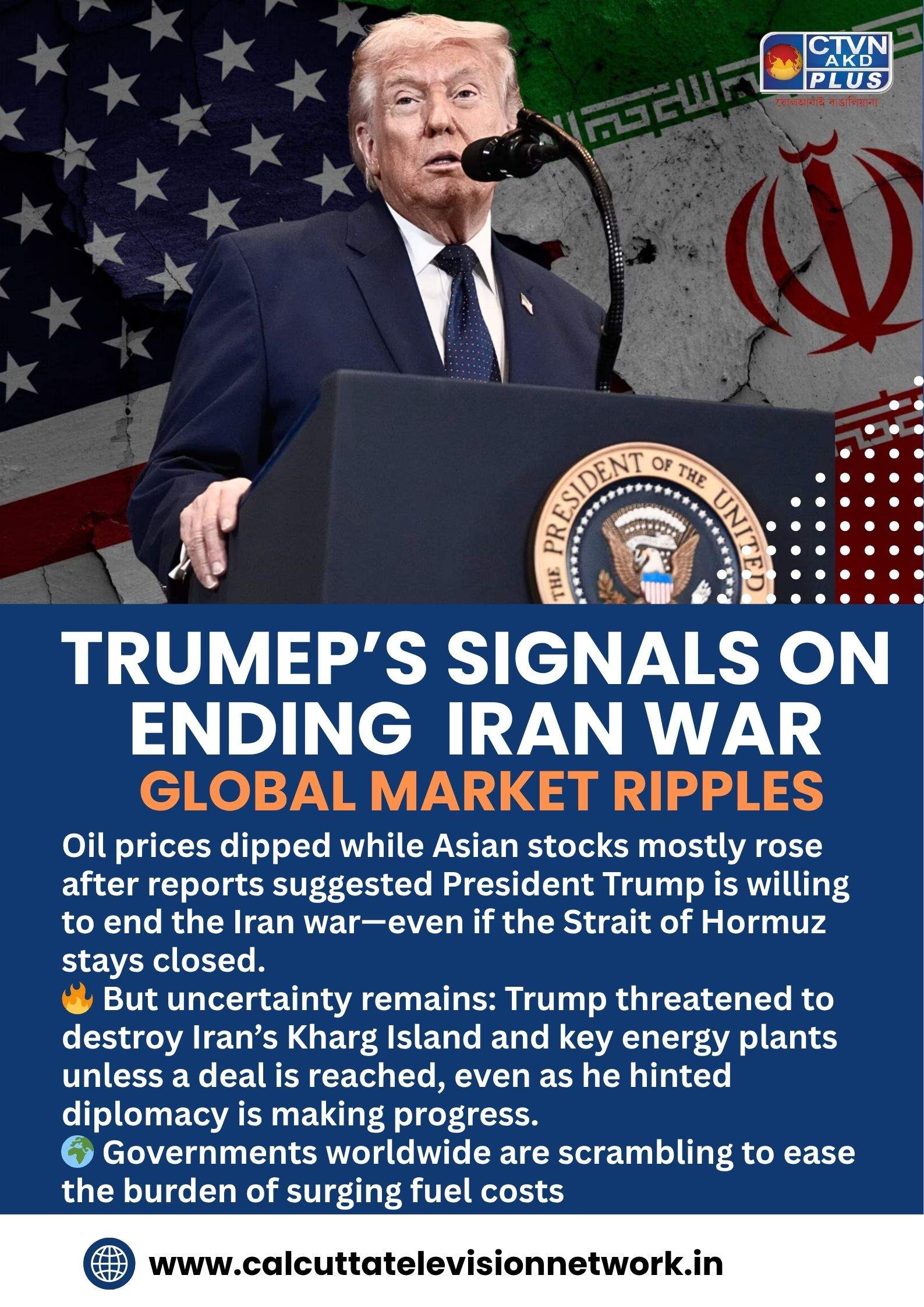
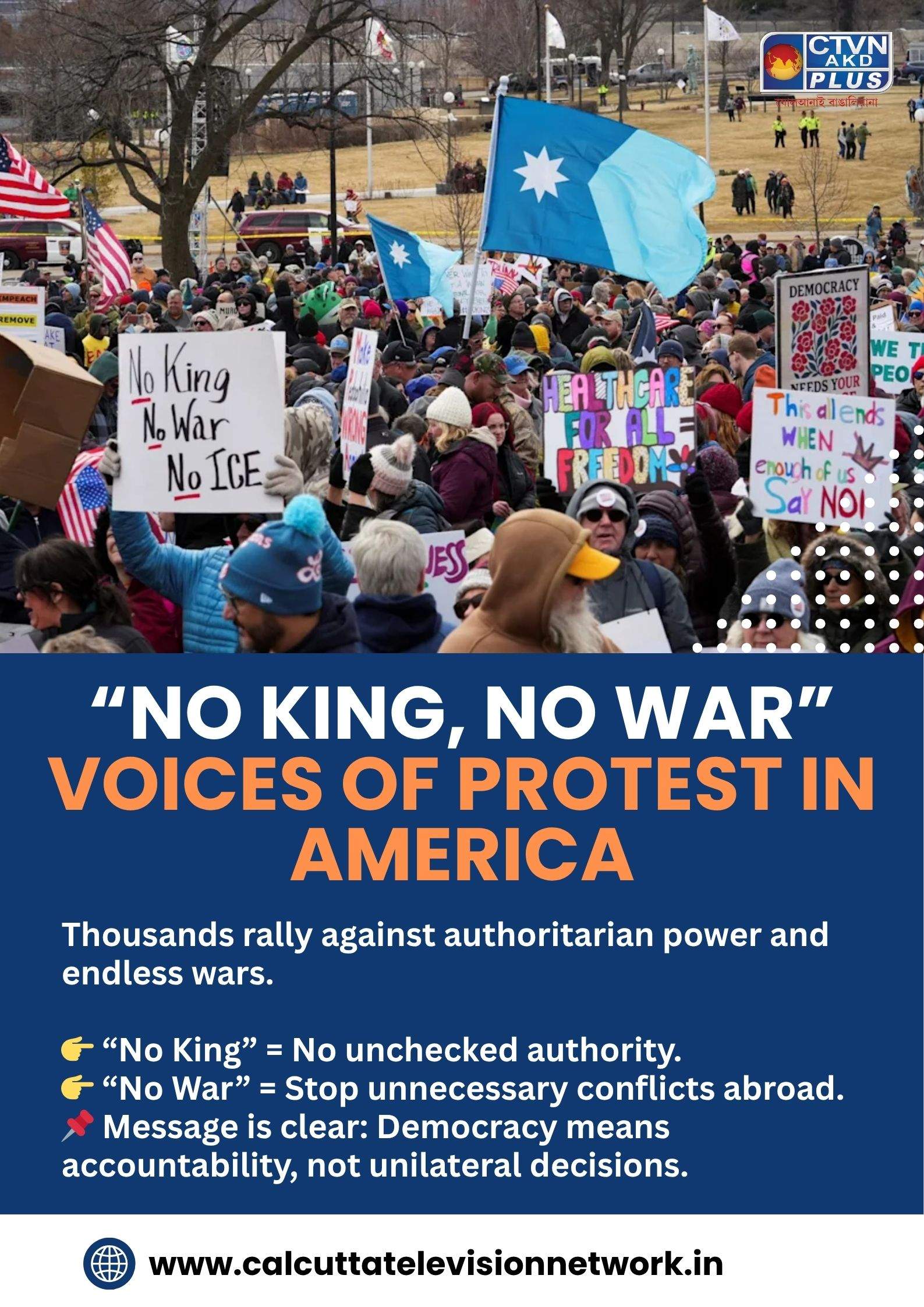
Domestically in the U.S., Secretary of State Marco Rubio's admission that strikes were influenced by inevitable Israeli action has sparked skepticism. Public polls show growing belief that the conflict distracts from other issues, including controversies around Epstein-related disclosures. The war has spread, with Iranian drones striking the U.S. Embassy in Riyadh, prompting President Trump to vow "swift revenge" and signaling prolonged operations.
This phase represents the most destructive turn yet, with leadership decapitation, chokepoint closure, nuclear uncertainty, and proxy attacks risking a wider regional or even global confrontation. Diplomatic off-ramps appear distant as both sides harden positions, leaving the Middle East—and the world—on the brink of further devastation.