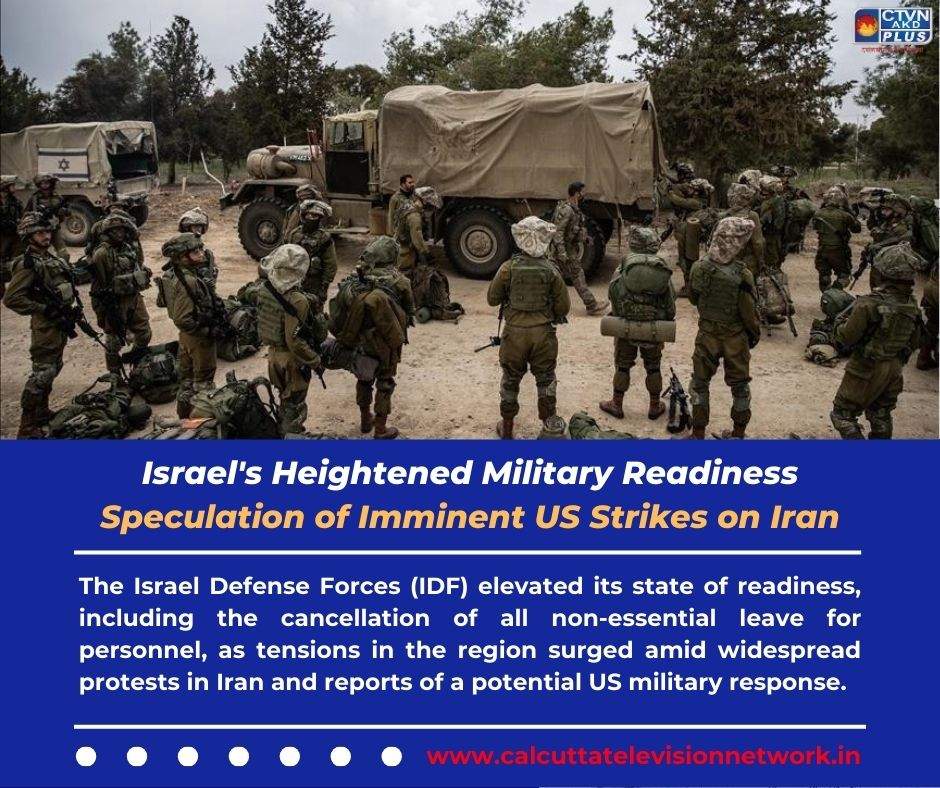
Israel's Heightened Military Readiness Amid Speculation of Imminent US Strikes on Iran
The Israel Defense Forces (IDF) elevated its state of readiness, including the cancellation of all non-essential leave for personnel, as tensions in the region surged amid widespread protests in Iran and reports of a potential US military response. This precautionary posture primarily affected the Air Force and Northern Command, reflecting concerns over possible Iranian retaliation targeting Israeli territory, assets, or interests if the United States launched strikes against the Islamic Republic.
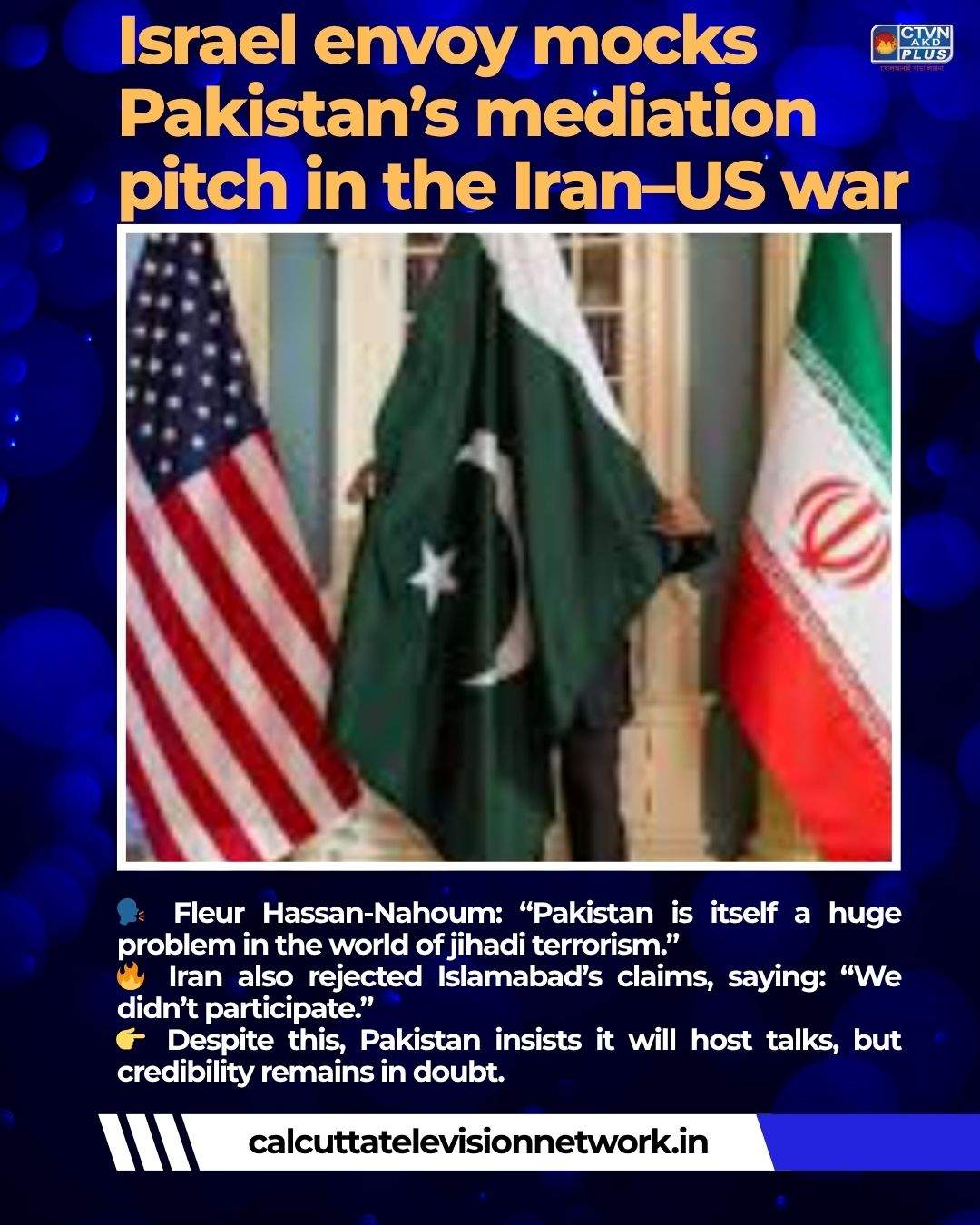
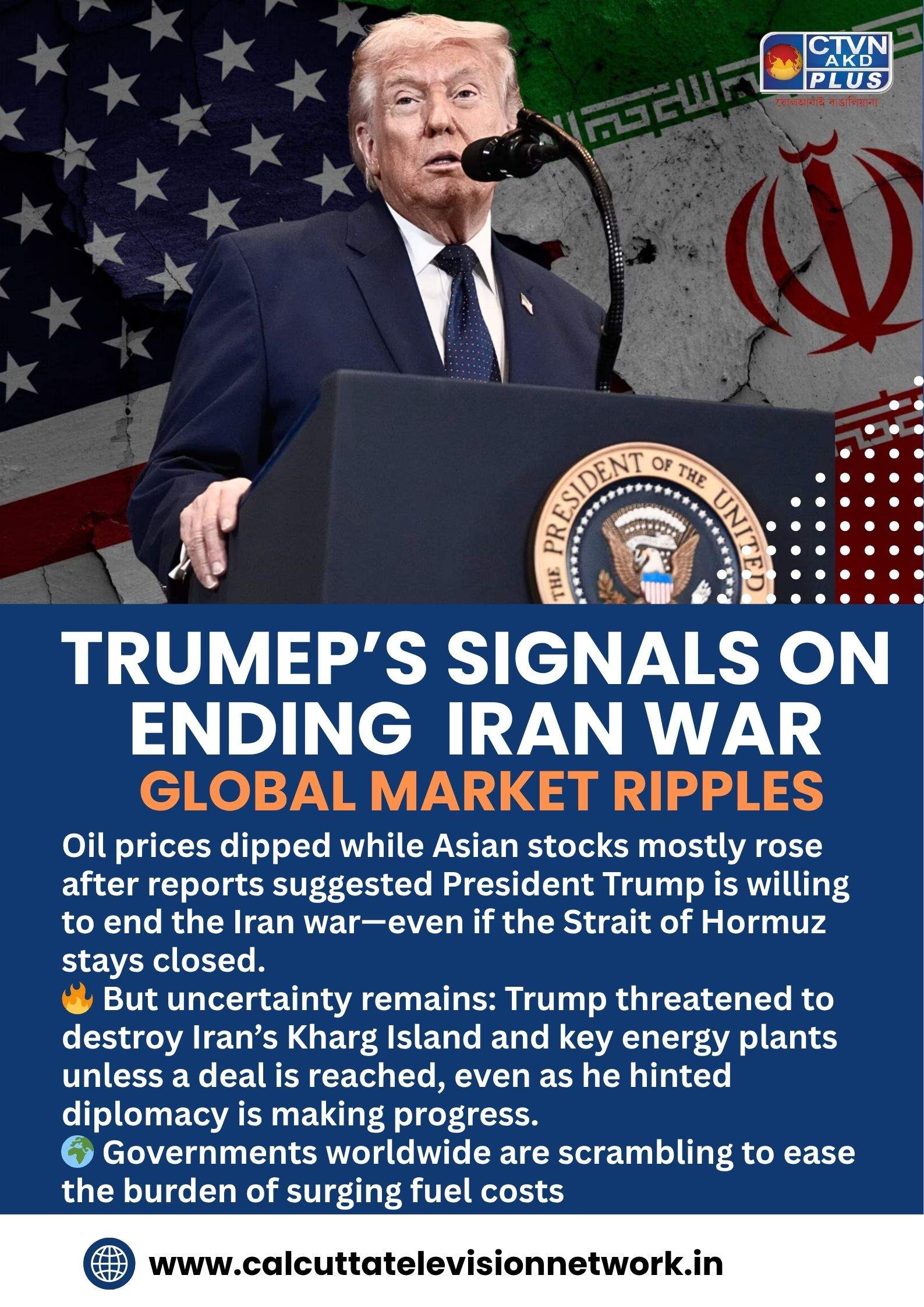
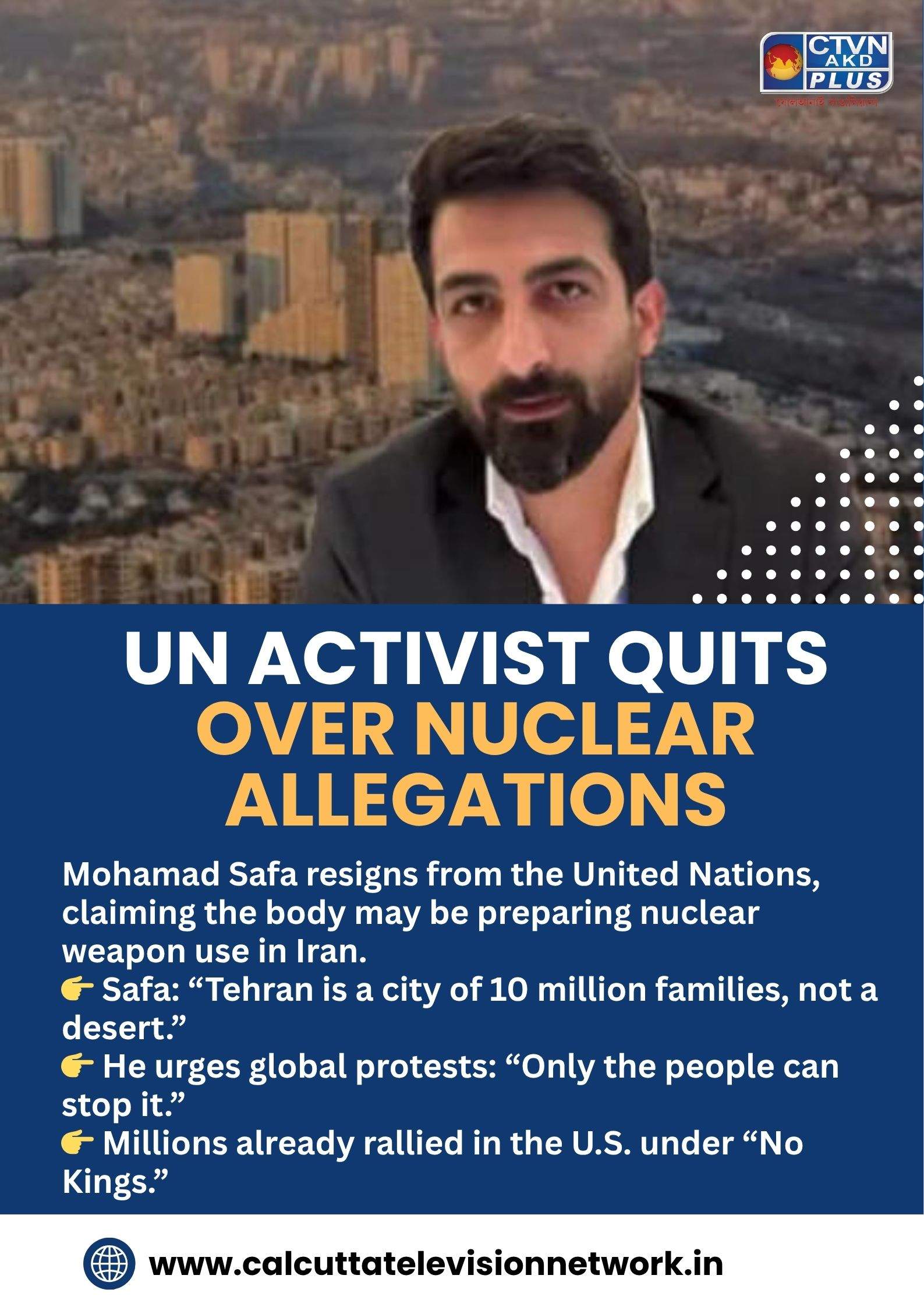
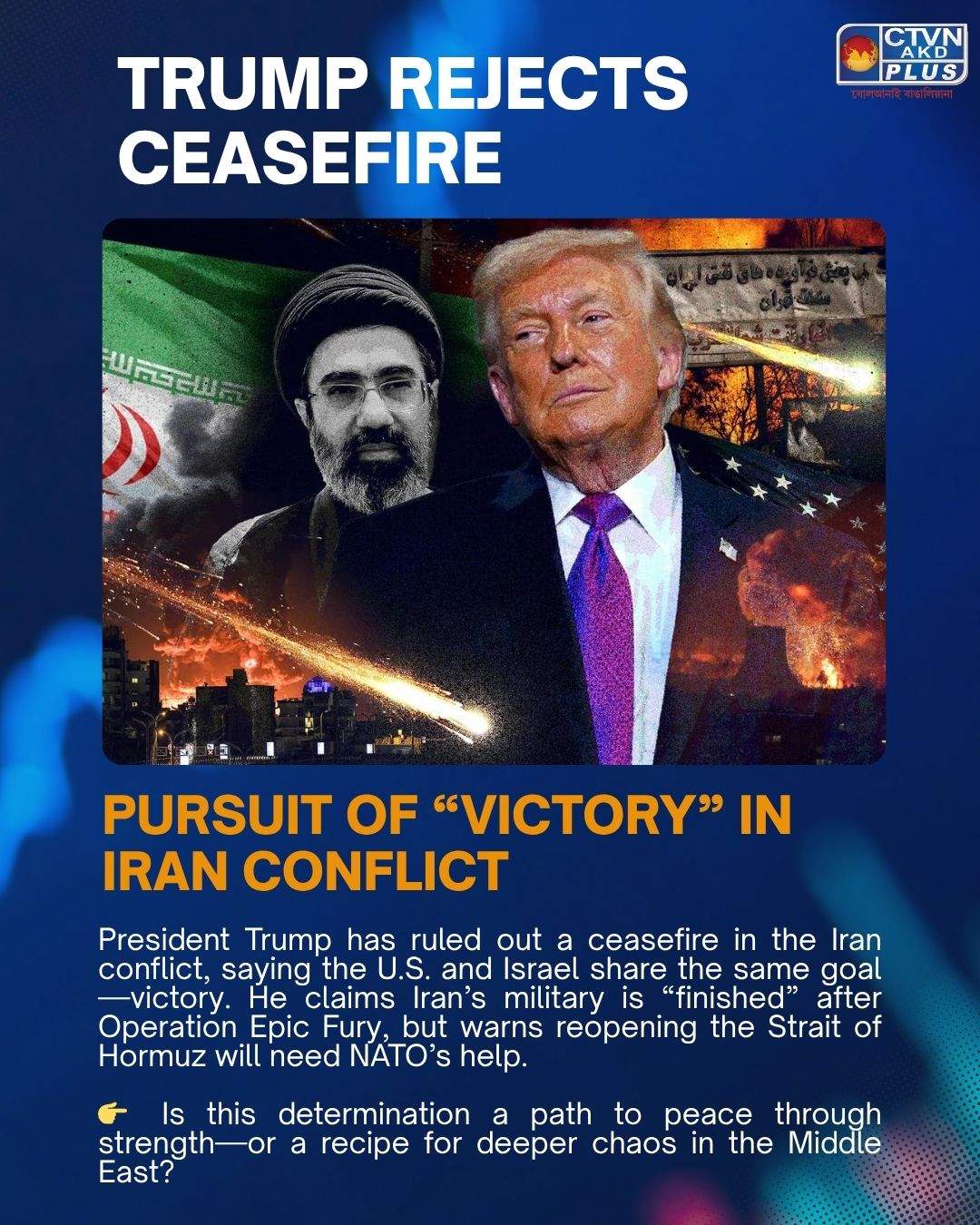
The backdrop involves ongoing anti-regime demonstrations in Iran, sparked by economic hardship, political repression, and other grievances. Reports from human rights groups and media outlets indicated a severe crackdown by Iranian security forces, with death toll estimates ranging from hundreds to over 5,000 according to activist sources. US President Donald Trump publicly condemned the violence, threatened strong action, and referenced an approaching US naval "armada" in the region, fueling speculation of imminent strikes—potentially within days—to support protesters or punish the regime.
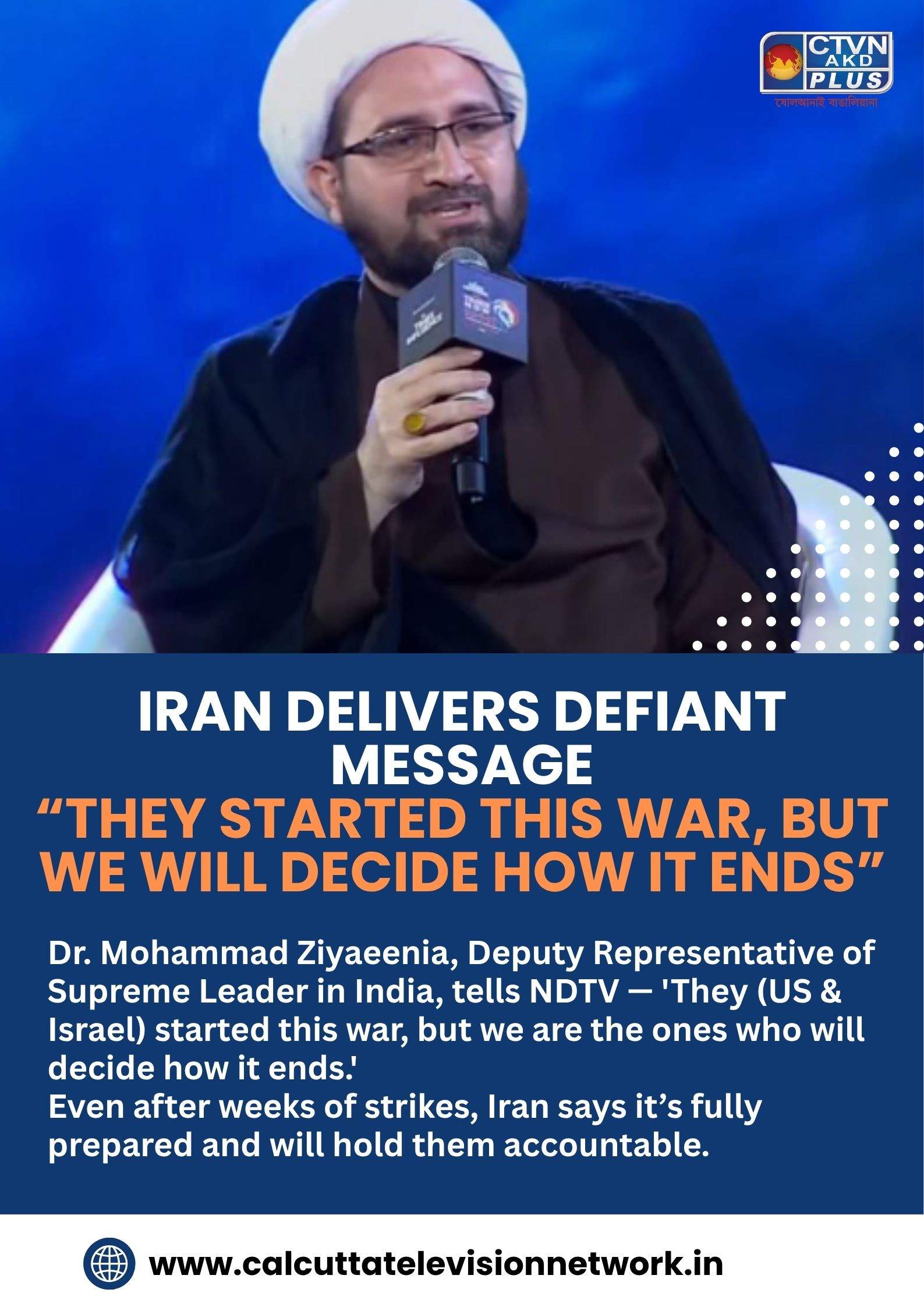
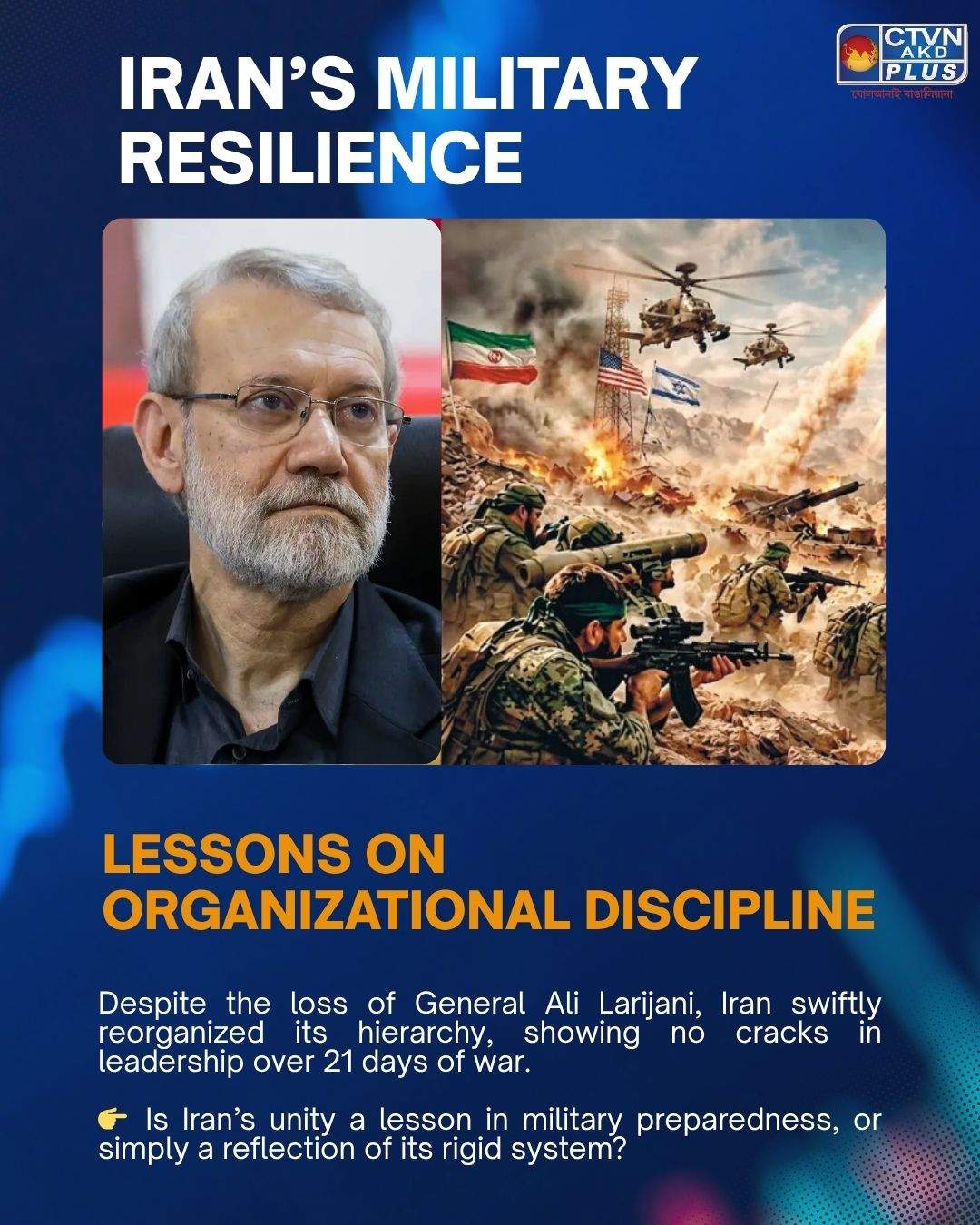
Israeli officials, including Prime Minister Benjamin Netanyahu, reportedly urged the US administration to delay any military intervention. The reasoning centered on allowing internal unrest to further weaken the Iranian government, potentially creating opportunities for greater strategic gains without immediate escalation. Israel emphasized preventing Iran from rebuilding its missile arsenal or advancing its nuclear program following the intense 12-Day War (also known as the Iran–Israel War) of June 13–24, 2025. That conflict saw Israeli strikes on Iranian nuclear facilities, missile sites, and military infrastructure, with limited US involvement in targeting nuclear sites, significantly degrading Tehran's capabilities.
While Israeli media and analysts noted raised alert levels in anticipation of Iranian counterstrikes—possibly via proxies like Hezbollah or direct missile barrages—the IDF maintained a defensive and offensive posture, preparing "surprise scenarios" for various contingencies. Official statements from the IDF stressed overall preparedness against any threat, without confirming dramatic new public directives.
No confirmed US strikes on Iran materialized in the immediate 24-hour window speculated in some reports, though consultations between Washington, Tel Aviv, and other allies continued. Iran's leadership warned of retaliation against any aggressor, heightening risks of broader regional conflict. Israel's unified political stance remains clear: the regime in Tehran must not regain the capacity to threaten Israel's security, a position reinforced by the lessons of the 2025 war.
This episode underscores the delicate balance Israel navigates—bolstering deterrence while calibrating responses to avoid uncontrolled escalation amid US-led pressures and Iran's internal volatility.