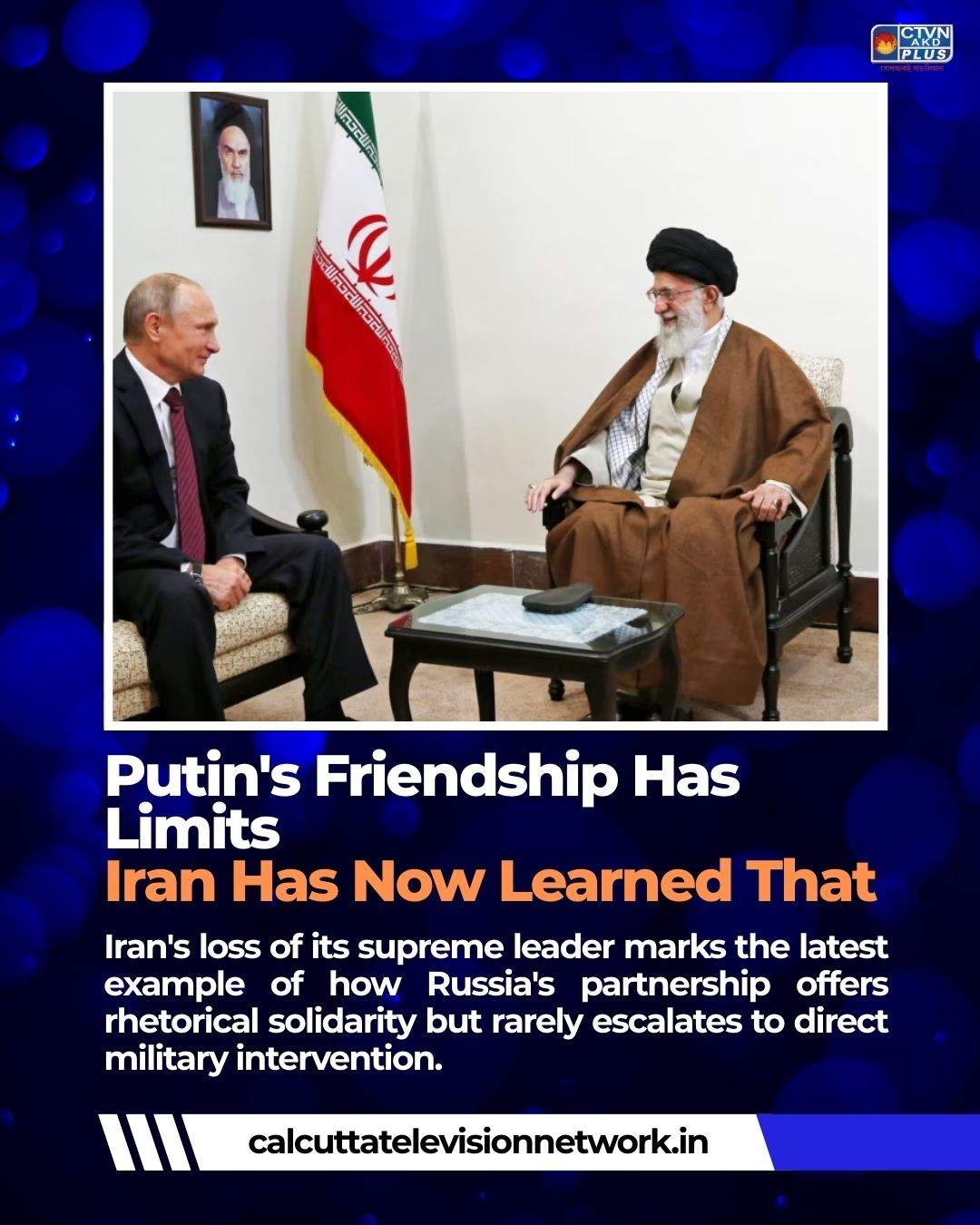
Putin's Friendship Has Limits — Iran Has Now Learned That
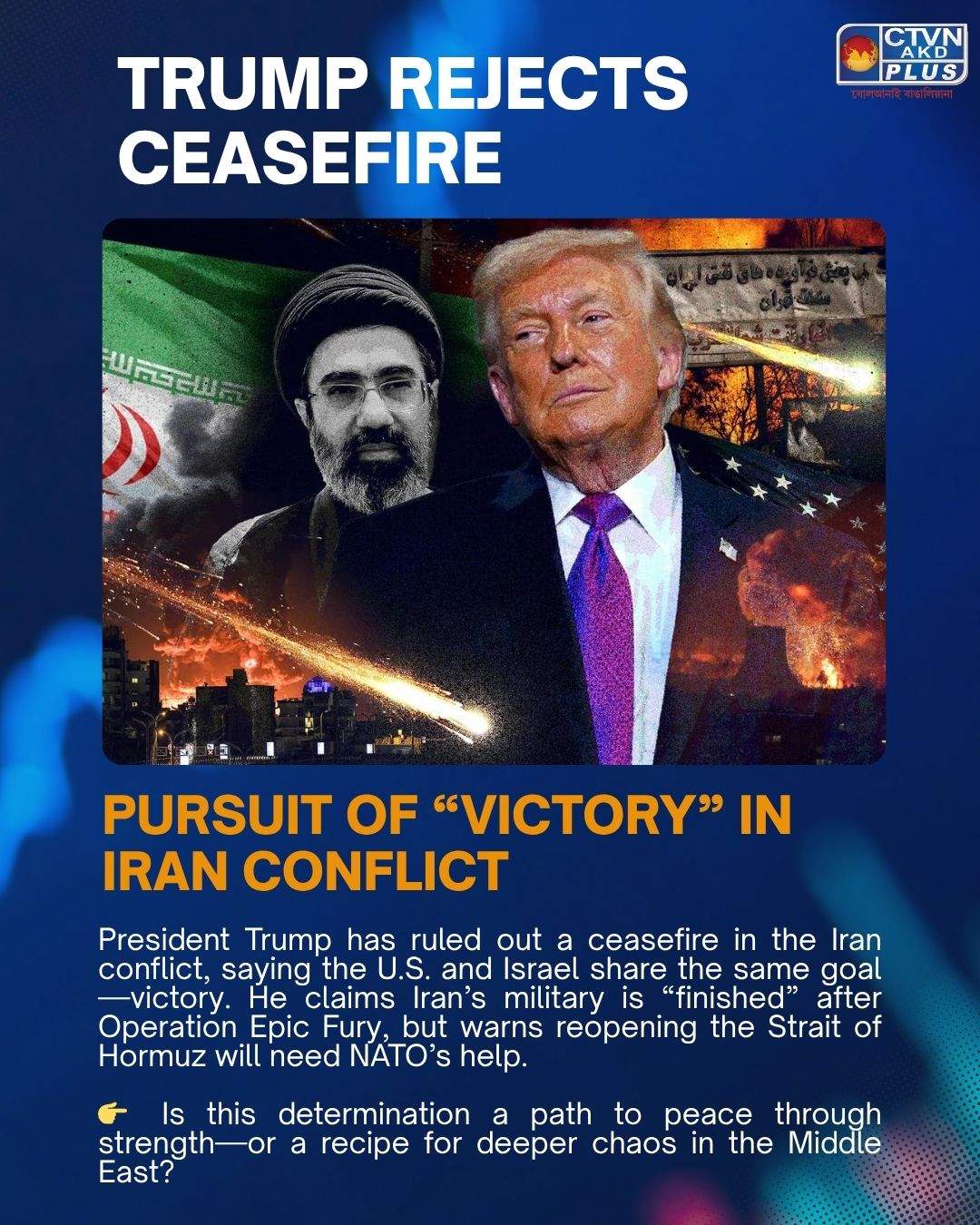
Russian President Vladimir Putin's longstanding alliance with Iran has always come with clear boundaries, a reality that Tehran has now painfully discovered following the U.S.-Israeli strikes that killed Supreme Leader Ayatollah Ali Khamenei on February 28, 2026. While leaders in Damascus and Caracas previously experienced Moscow's restrained support, Iran's loss of its supreme leader marks the latest example of how Russia's partnership offers rhetorical solidarity but rarely escalates to direct military intervention.
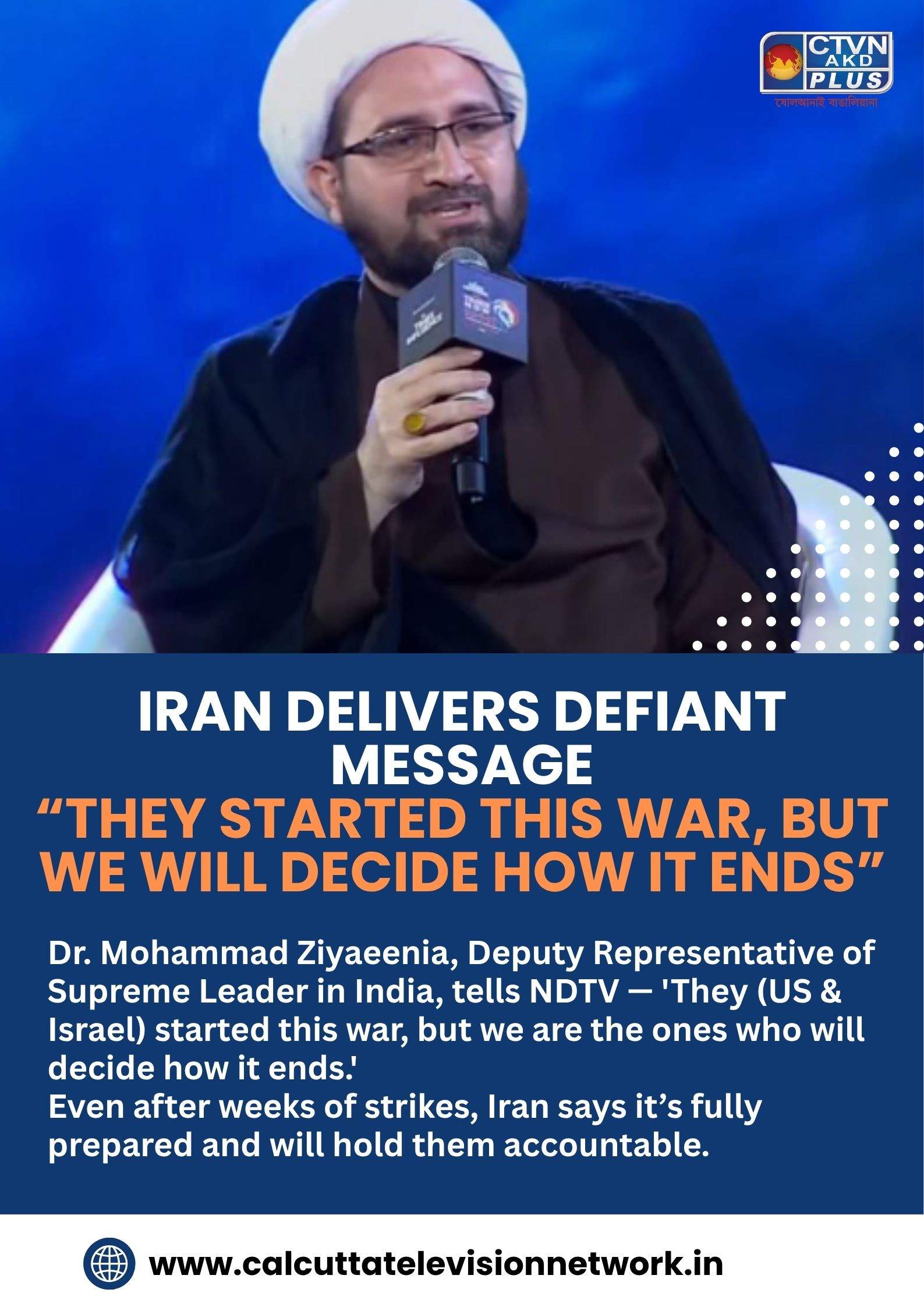
On March 1, Putin condemned Khamenei's killing as a "cynical murder" and a "cynical violation of all norms of human morality and international law." In a message to Iranian President Masoud Pezeshkian, he expressed deep condolences, praising Khamenei as an "outstanding statesman" who elevated Russian-Iranian ties to a "comprehensive strategic partnership." Russia's Foreign Ministry echoed this, denouncing the strikes as an "unprovoked act of armed aggression" and calling for an immediate halt to hostilities. Yet, beyond words, Moscow offered no pledges of military aid, arms shipments, or defensive support—despite Iran's prior provision of Shahed drones and missiles to Russia amid its Ukraine conflict.
This pattern is not new. The 20-year Comprehensive Strategic Partnership Treaty signed in January 2025 emphasized defense cooperation, counter-terrorism, energy, and economics but explicitly lacked a mutual defense clause. Russian officials, including Deputy Foreign Minister Andrei Rudenko, clarified it formed no military alliance requiring reciprocal intervention. Earlier signs emerged during the 12-day Israel-Iran war last summer, where Russia condemned U.S. attacks on nuclear sites but took no action. Moscow supplied shoulder-fired missiles like the Verba MANPADS in February 2026 and held joint naval exercises in the Gulf of Oman—albeit with minimal forces—yet refrained from deeper involvement.
Putin's June 2025 remarks at the St. Petersburg Economic Forum revealed a key factor: nearly two million former Soviet citizens live in Israel, making it "almost a Russian-speaking country." He stated Russia "of course" considers this in its policies, explaining Moscow's calculated neutrality to avoid alienating a significant diaspora and broader Middle East balances.
For Tehran, Moscow's response—strong condemnation without substance—reinforces that alliances serve Russia's interests first. While damaging Moscow's global reputation among anti-Western partners, it allows the Kremlin to highlight Western "aggression" to bolster its Ukraine narrative and deter domestic critics. As analyst Vladimir Pastukhov noted, Putin can point to Tehran as proof of Western dangers: "This could have happened to us."
Iran joins Syria's Bashar al-Assad, abandoned as rebels seized Damascus in late 2024, and Venezuela's Nicolás Maduro, unsupported during his U.S. imprisonment crisis. Putin's friendship has limits—loud words, limited deeds—and Iran has now learned them the hardest way.