‘Somehow Stop India’: Pakistan’s Costly Lobbying During Operation Sindoor
The aftermath of the terror attack in Pahalgam and India’s subsequent military response exposed Pakistan’s deep diplomatic anxieties. As Indian Air Force jets struck the headquarters of Jaish‑e‑Mohammed, Lashkar‑e‑Taiba, and Hizbul Mujahideen, Islamabad scrambled to contain the fallout. Official filings now reveal that Pakistan poured thousands of dollars into an urgent lobbying campaign in Washington, desperate to persuade the United States to intervene and restrain New Delhi’s deep strikes.
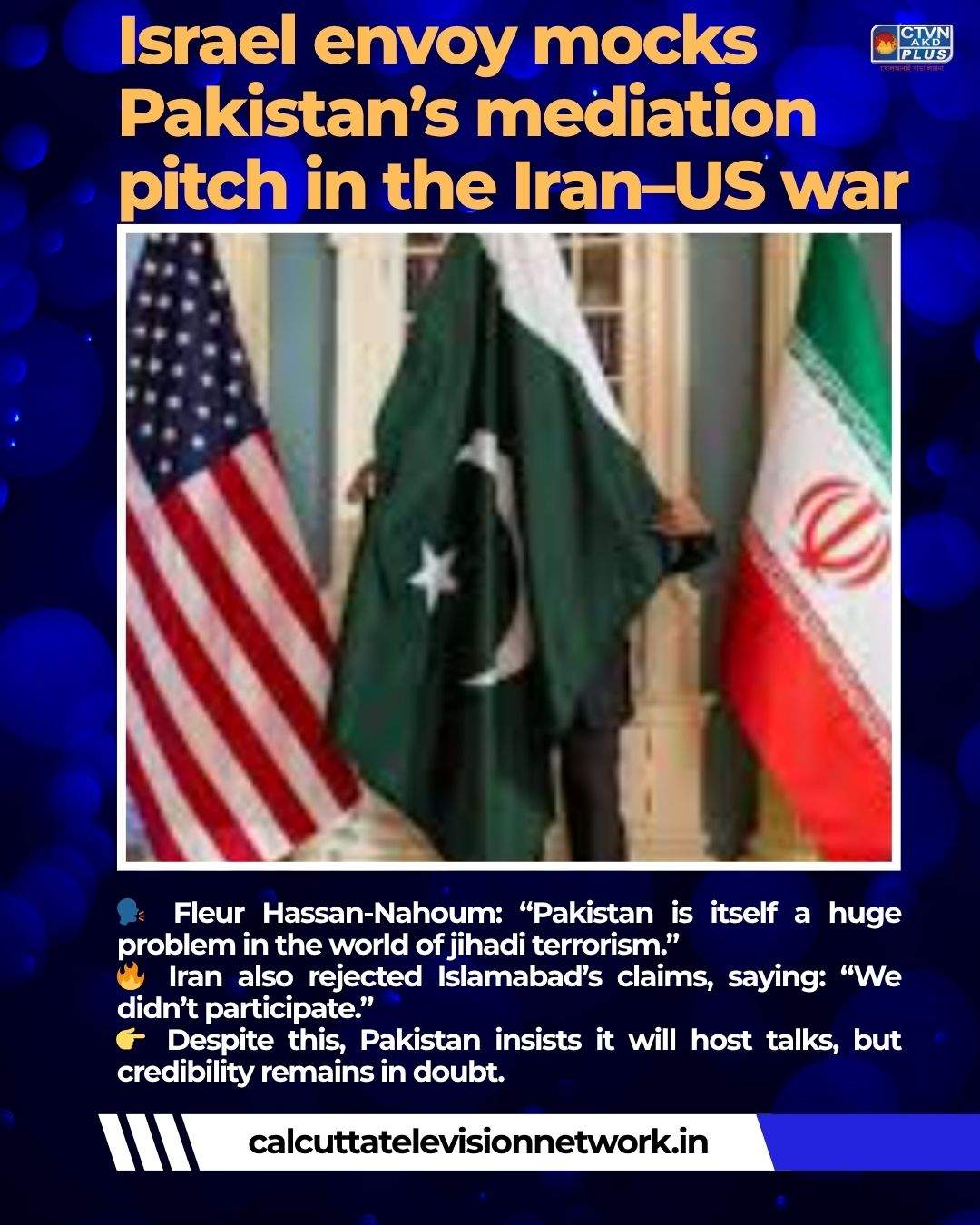
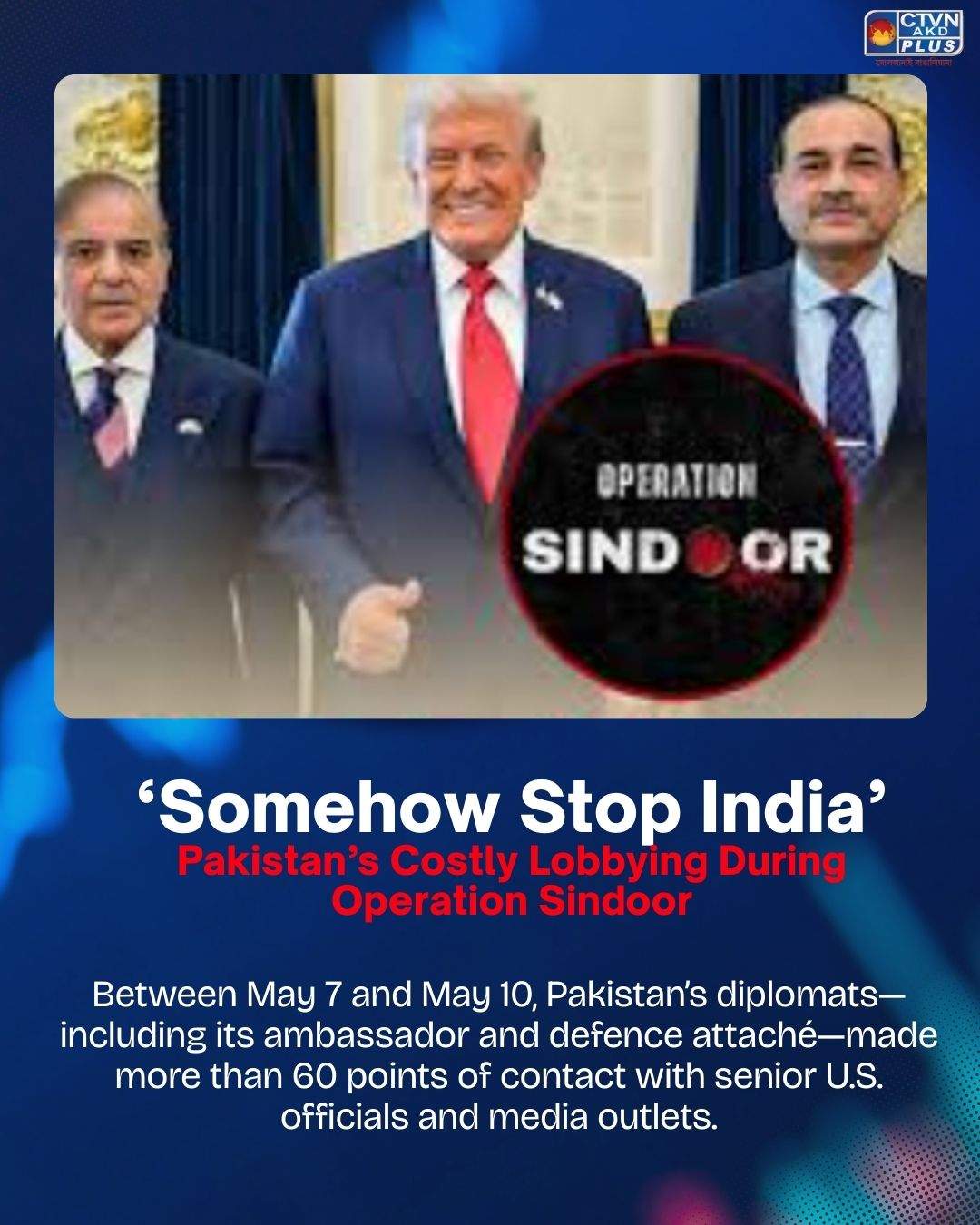
Between May 7 and May 10, Pakistan’s diplomats—including its ambassador and defence attaché—made more than 60 points of contact with senior U.S. officials and media outlets. Meetings, phone calls, and emails were all deployed in a frantic bid to secure international pressure against India. The lobbying firm Squire Patton Boggs, hired by Pakistan, disclosed these activities under the U.S. Foreign Agents Registration Act (FARA), offering a rare glimpse into Islamabad’s behind‑the‑scenes manoeuvring.
The filings underscore Pakistan’s vulnerability: cash‑strapped at home, yet willing to spend heavily abroad to influence perceptions in Washington. The urgency of the campaign highlights how India’s strikes on terror infrastructure rattled Islamabad’s military establishment, forcing its director general of military operations, Major General Kashif Abdullah, to eventually reach out to his Indian counterpart, Lt General Rajiv Ghai.
Strategically, the episode illustrates the widening gap between India’s assertive military posture and Pakistan’s reliance on external mediation. While New Delhi sought to demonstrate resolve through precision strikes, Islamabad leaned on lobbying networks to “somehow stop India.” The contrast reflects not only the asymmetry of power but also the shifting dynamics of South Asian geopolitics, where military action and diplomatic lobbying collide on the global stage.