The Indo-Pacific’s future may hinge on India’s next moves.
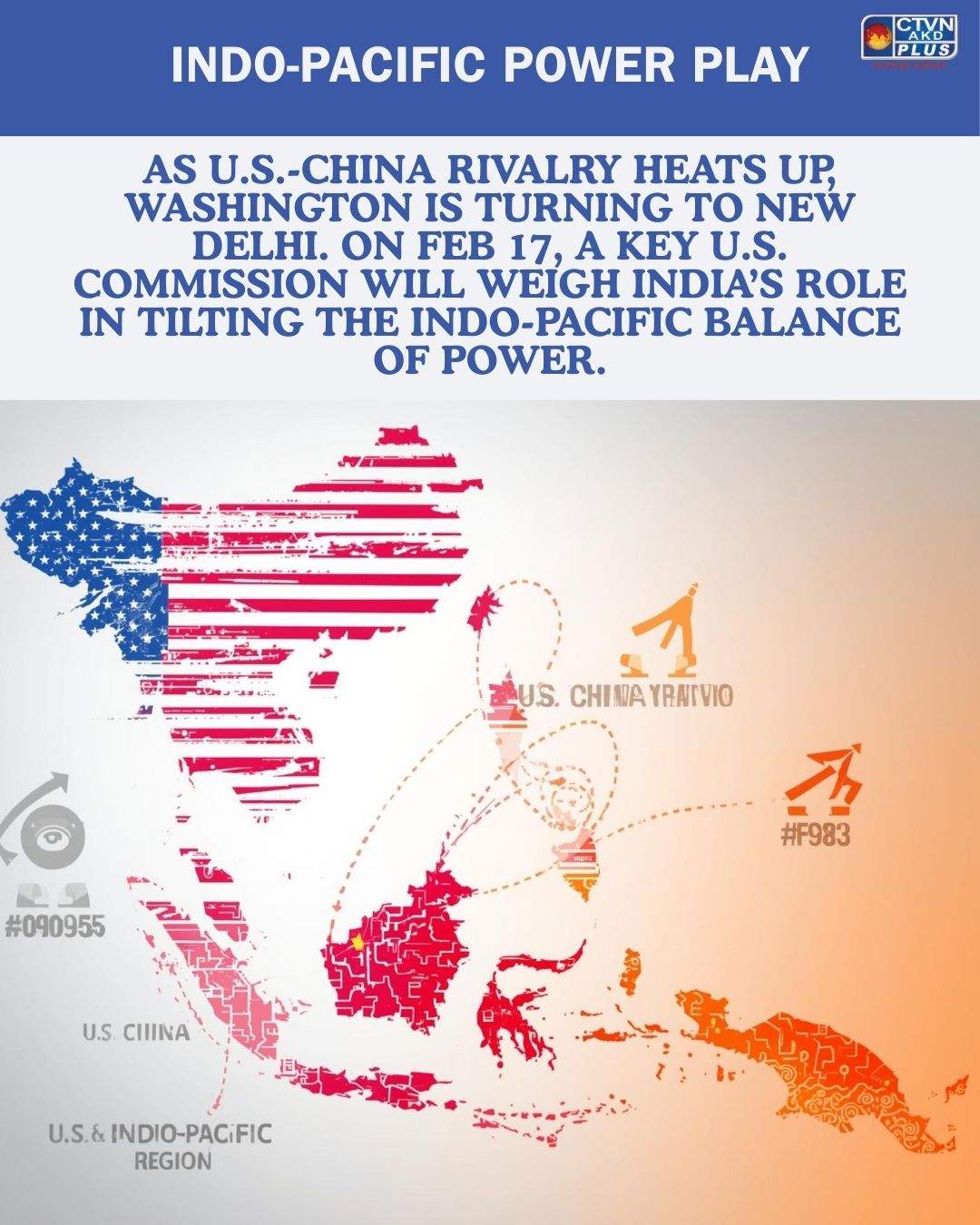
The Indo-Pacific has emerged as the central theatre of global power rivalry, with Washington recalibrating its strategy to counter China’s expanding influence. Against this backdrop, the U.S.-China Economic and Security Review Commission is set to hold a public hearing on February 17, 2026, in Washington, DC, examining India’s potential role in shaping the regional balance of power.
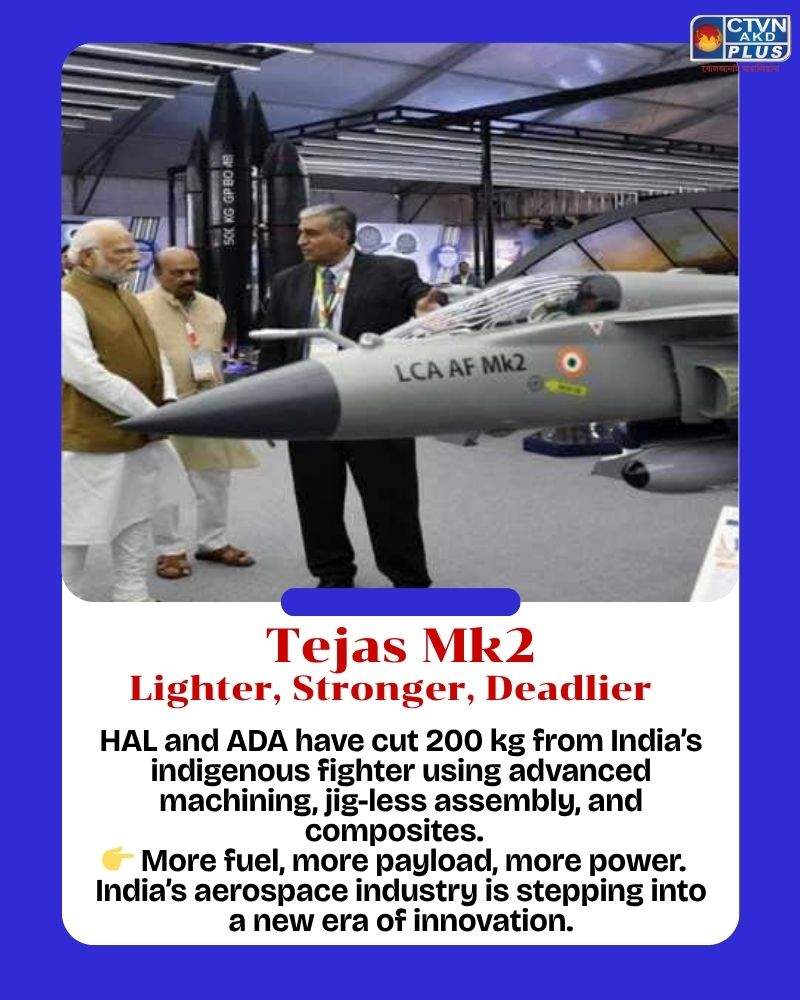
India’s strategic location, growing military capabilities, and expanding partnerships across Asia make it a natural candidate to act as a counterweight to Beijing. The Commission will assess India-China tensions over disputed borders, maritime competition in the Indian Ocean, and India’s evolving role as a security actor in the Indo-Pacific. These deliberations come at a time when U.S. allies are questioning Washington’s long-term commitment to regional security, making India’s position even more critical.
Economically, India’s recent free trade agreement with the European Union—hailed as the “mother of all deals”—has strengthened its global standing while simultaneously unsettling Washington. The EU’s move to diversify away from China underscores India’s growing importance as a commercial and technological hub. The hearing will also probe India’s push for self-reliance in critical sectors such as semiconductors, artificial intelligence, and pharmaceuticals—industries central to U.S.-China competition.
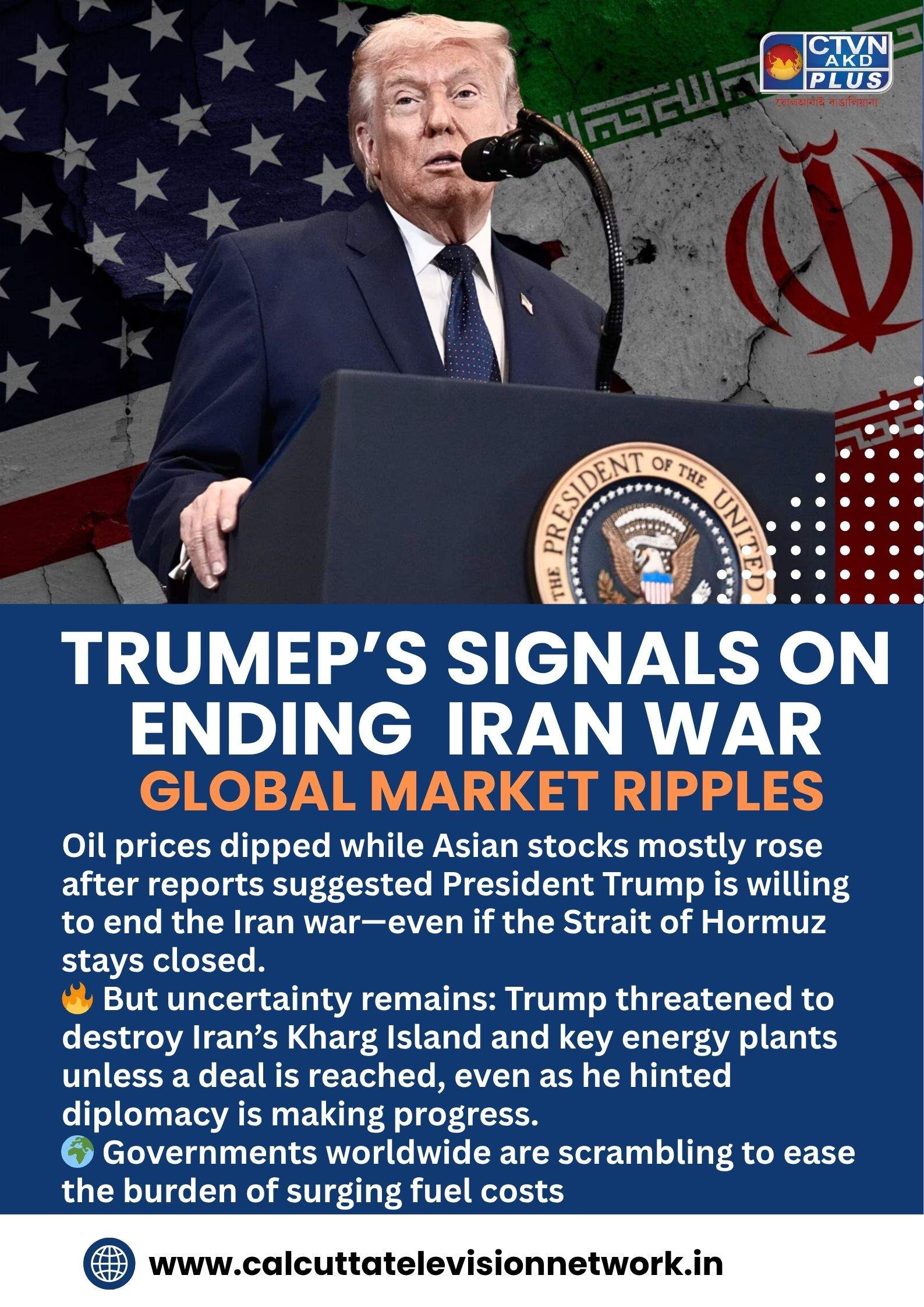
Yet, India’s calibrated easing of tensions with Beijing, including Prime Minister Modi’s visit to China for the SEO summit and the reopening of airways, complicates Washington’s calculus. While the U.S. has invested heavily in India as a strategic partner over the past decade, strains in bilateral ties since President Trump’s second term have raised questions about how firmly India can be anchored within an American-led framework while preserving its strategic autonomy.
The timing of the hearing, just weeks before Trump’s state visit to China, highlights the delicate balance Washington seeks between engagement, competition, and deterrence in the Indo-Pacific.