Trump’s Warning to India Over Russian Oil
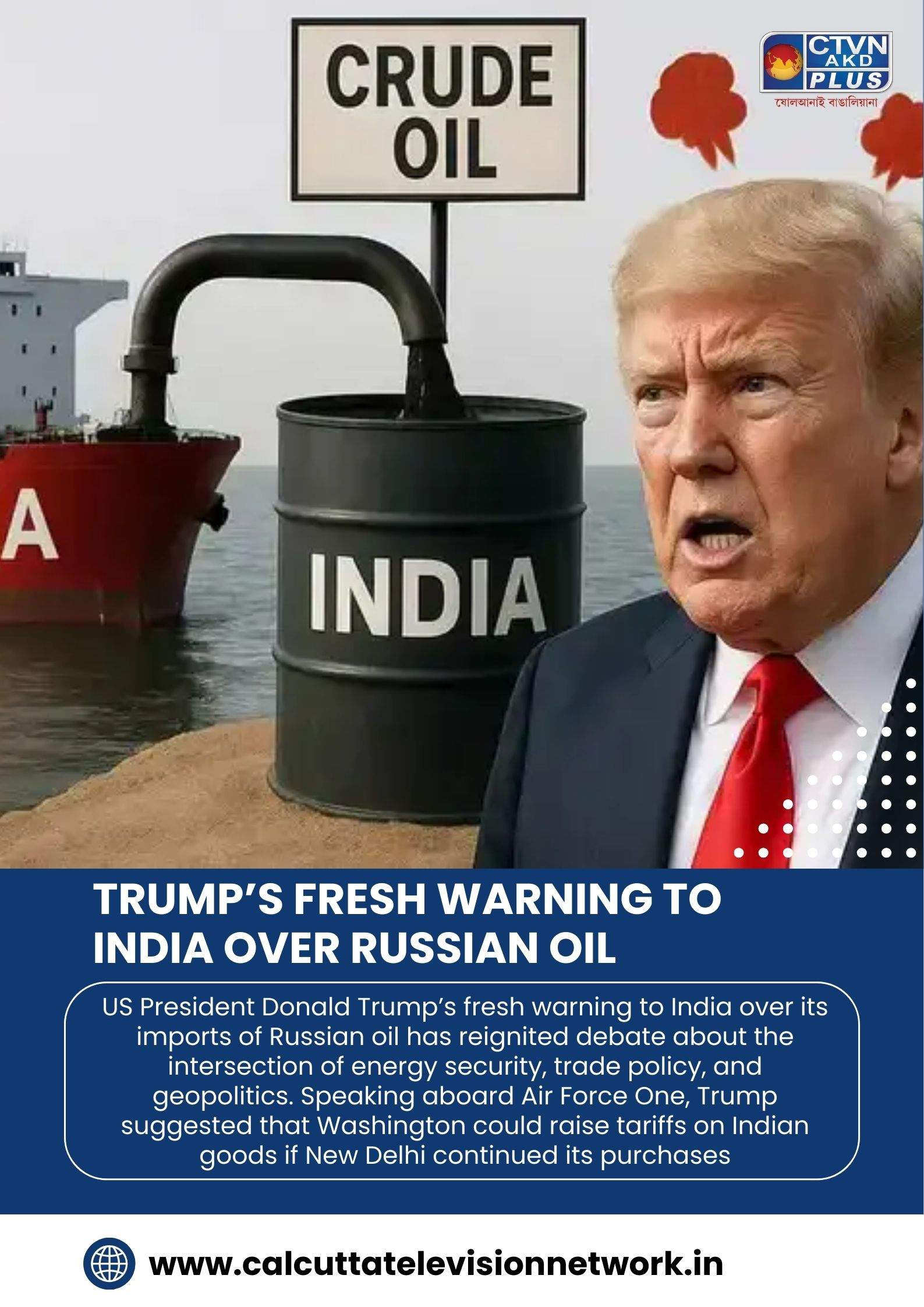
US President Donald Trump’s fresh warning to India over its imports of Russian oil has reignited debate about the intersection of energy security, trade policy, and geopolitics. Speaking aboard Air Force One, Trump suggested that Washington could raise tariffs on Indian goods if New Delhi continued its purchases, framing the issue as one of personal dissatisfaction. He claimed Prime Minister Narendra Modi “knew he was not happy” and that India had already reduced its Russian oil intake to “make him happy.”
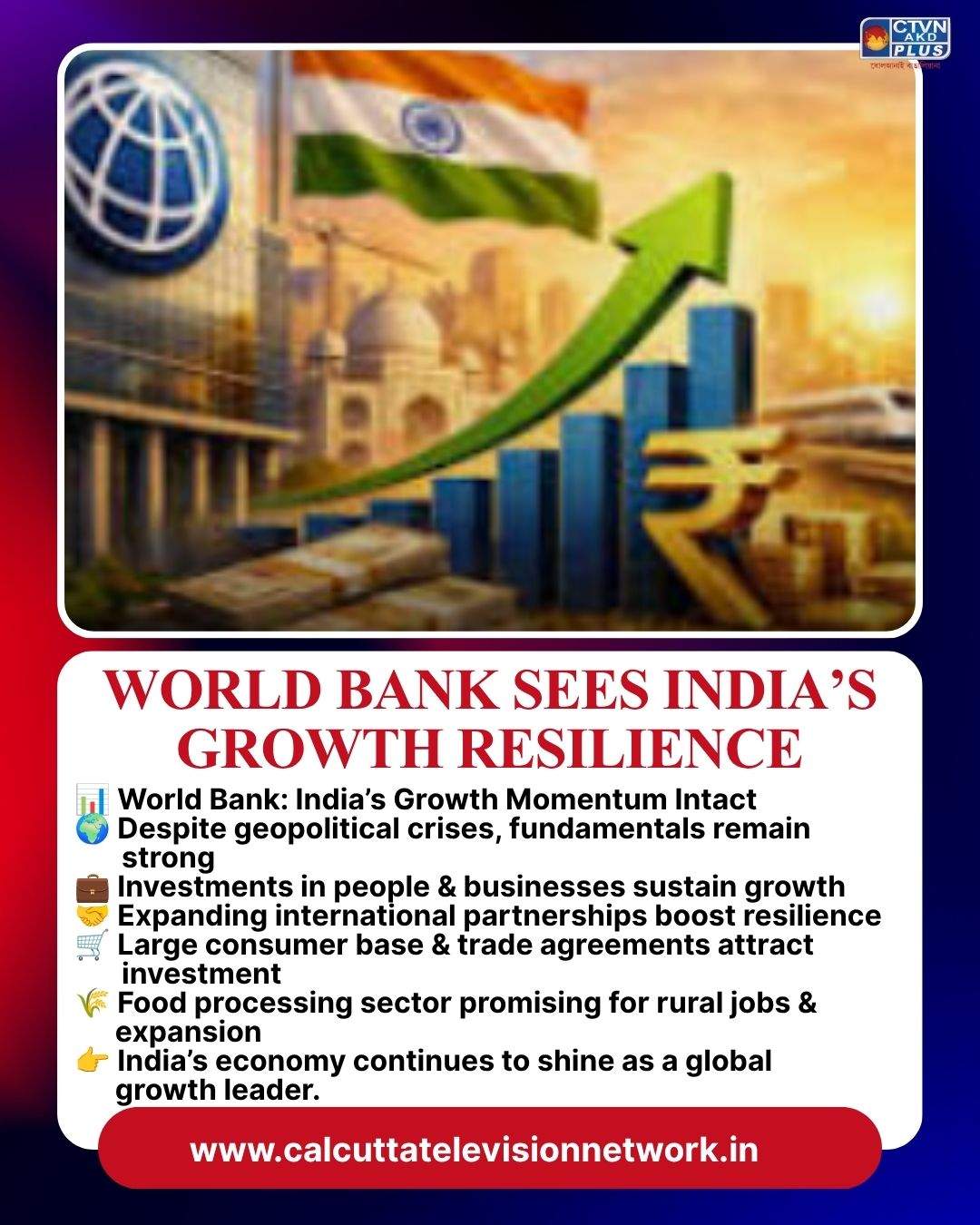
The remarks highlight the growing scrutiny in Washington over India’s energy ties with Moscow. For New Delhi, Russian oil remains a critical component of domestic energy security, offering affordable supplies at a time of global volatility. Indian officials have consistently defended these purchases as pragmatic, not political. Yet Trump’s warning underscores the pressure India faces in balancing strategic autonomy with the demands of its most important trade partner.
The timing is significant. Just weeks earlier, Trump and Modi held a telephonic conversation emphasizing the need to sustain momentum in bilateral trade talks. Negotiations aimed at resolving a long‑standing trade impasse had resumed, following US tariffs on Indian imports that reached as high as 50 percent. Against this backdrop, Trump’s threat of further tariffs risks complicating progress and deepening mistrust.
Interestingly, Trump’s rhetoric was tempered by praise for Modi and India. He described India as “an amazing country” and Modi as “a great friend,” signalling that despite tensions, Washington continues to value the partnership in the Indo‑Pacific. Still, the juxtaposition of praise and pressure reflects the transactional nature of Trump’s approach.
Ultimately, the warning illustrates how energy trade has become a flashpoint in US‑India relations. For India, the challenge lies in safeguarding energy security while navigating the shifting expectations of a powerful ally.